Category: Northern Suburbs

  • Recovering your furniture? Choose your upholsterer carefully

    Recovering your furniture? Choose your upholsterer carefully

    When you furniture is looking tired and out of date, you can
    give it a new lease on life with re-upholstery.
    Re-upholstery is the technique of repairing old furniture
    like recovering a chair, replacing the springs and or foam inside a seat or
    repairing the joints etc.
    Re-upholstery means extensive reworking of all the springing
    and padding, recover means the furniture is generally in good condition and
    just needs the fabric changed.
    To see your furniture restored to its former glory can be
    very satisfying and can be cost effective when the furniture is of a quality
    worth recovering.
    Cheaper furniture is generally not worth recovering because
    the frames and padding are rubbish so would have cost less to buy new then it
    would to recover, good quality furniture however is very much worth the effort
    because to replace such furniture would cost more than to recover it and
    another advantage is that you have far more fabric choices available when you
    recover as opposed to buying new.
    It is very rare that a piece cannot be restored, whether
    modern or antique.
    Recovering your furniture is often the way to go as you’re
    not going to have to compromise on the style of furniture because of limited
    choices on offer when buying retail. It allows you to keep the furniture you love
    and know works well in your house and make it as new again.
    Reupholstering gives you the opportunity to personalise your
    furniture using quality materials and perfected trade techniques that will give
    you a piece that will last a lifetime.
    At Cover It Upholstery Sydney when we recover any furniture
    we also make sure that all the necessary repairs are done and padding added or
    replaced where needed, this is all part of the service when you have your
    furniture recovered by Cover It.
    When the furniture is in a fairy poor state we would need to
    re-upholster it first before covering it and this would be at an added cost but
    is always determined at the time of quoting and there are never any surprises
    at the end, what’s quoted is what’s paid.
    There are big differences in what upholsterers consider part
    of the job when recovering a customers furniture and many will not do anything
    extra in terms of springing or padding etc and will just recover it as they
    find it.
    At Cover It Upholstery Sydney it goes without saying that we
    make sure everything underneath the fabric is sound and will last the expected
    time you should get from your recovered furniture.

    So when getting quotes to have your furniture recovered,
    offcourse you’re going to find cheaper quotes, and if you keep on looking will
    find ones even cheaper than that, but you must ask yourself why that is, why
    are they willing to do the same job for less? We all have the same overheads in
    terms of factory space, utilities, staff, advertising etc etc, so therefore need
    the same amount of money each month to survive. The only way you’re going to be
    able to do jobs for cheap is if you do them twice as fast… Do you want your job
    to be completed twice as fast??
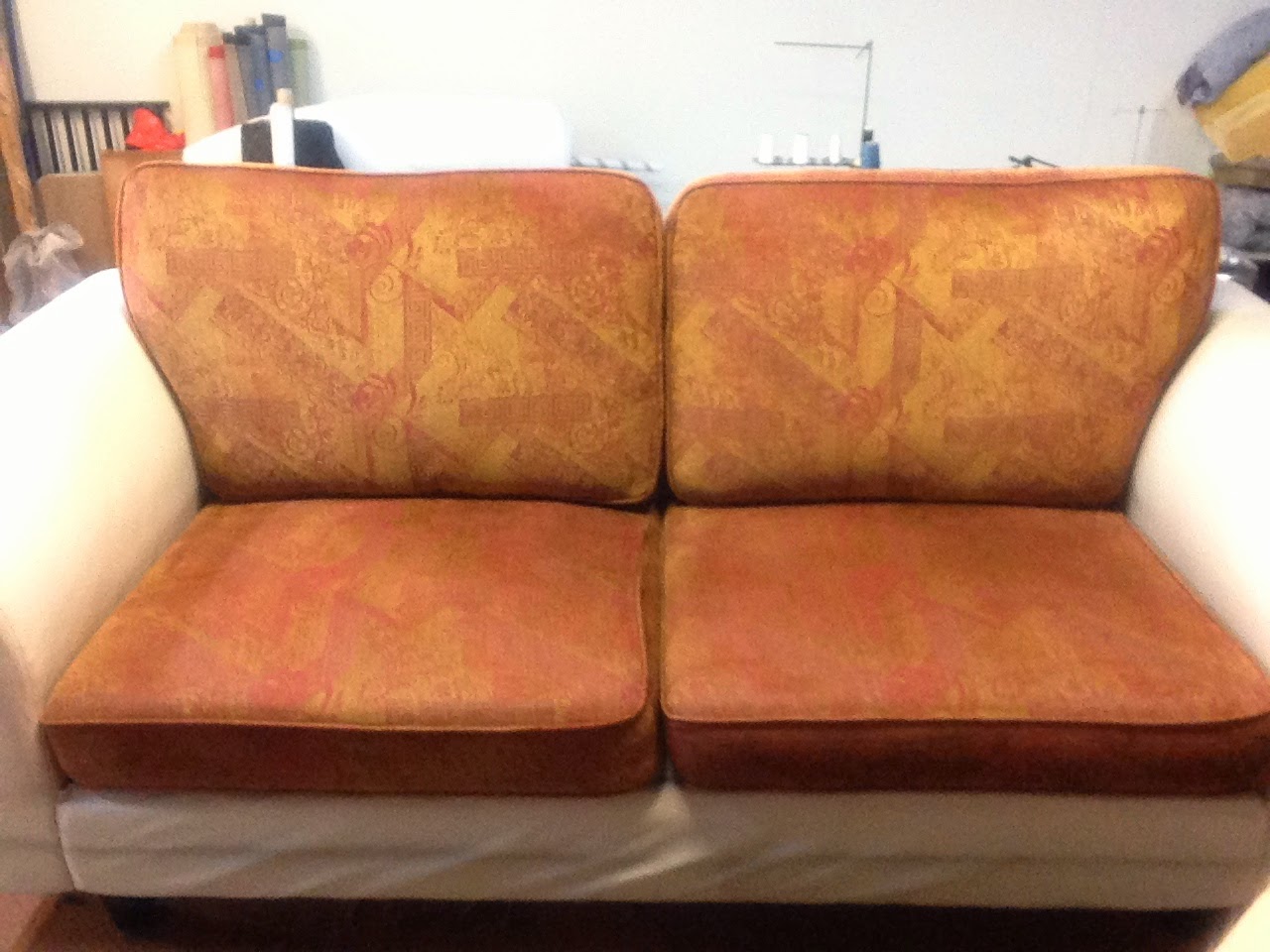
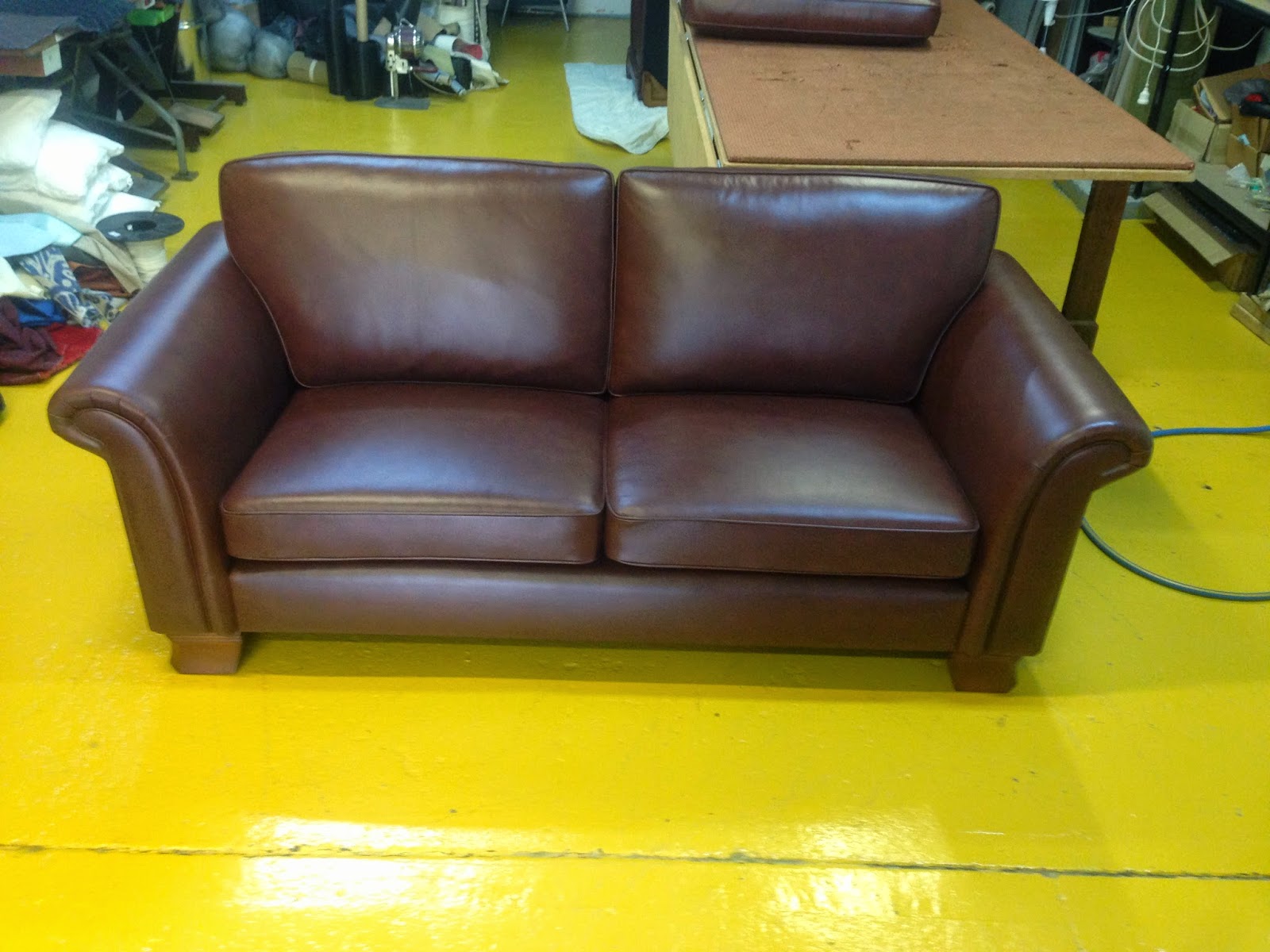
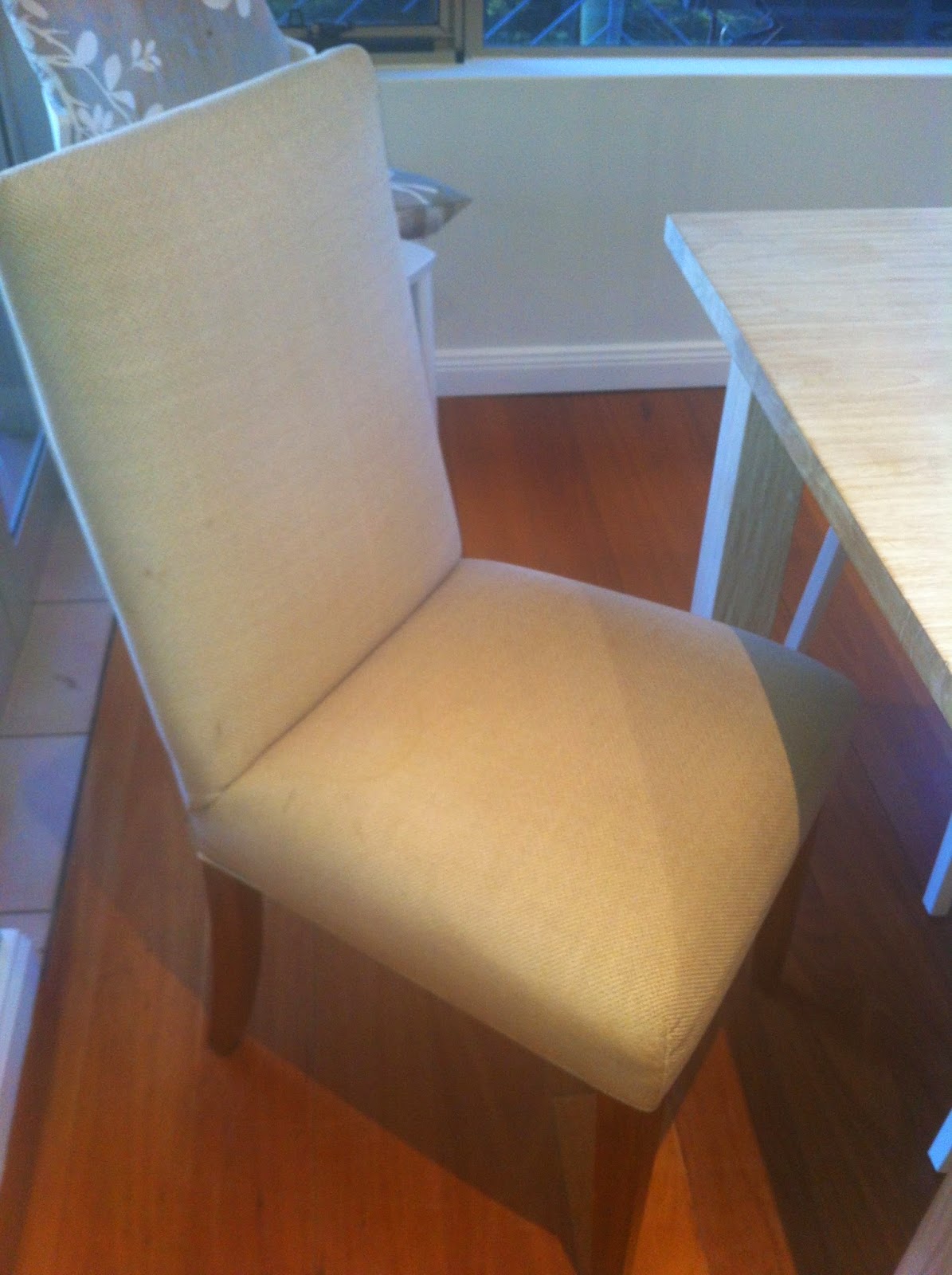
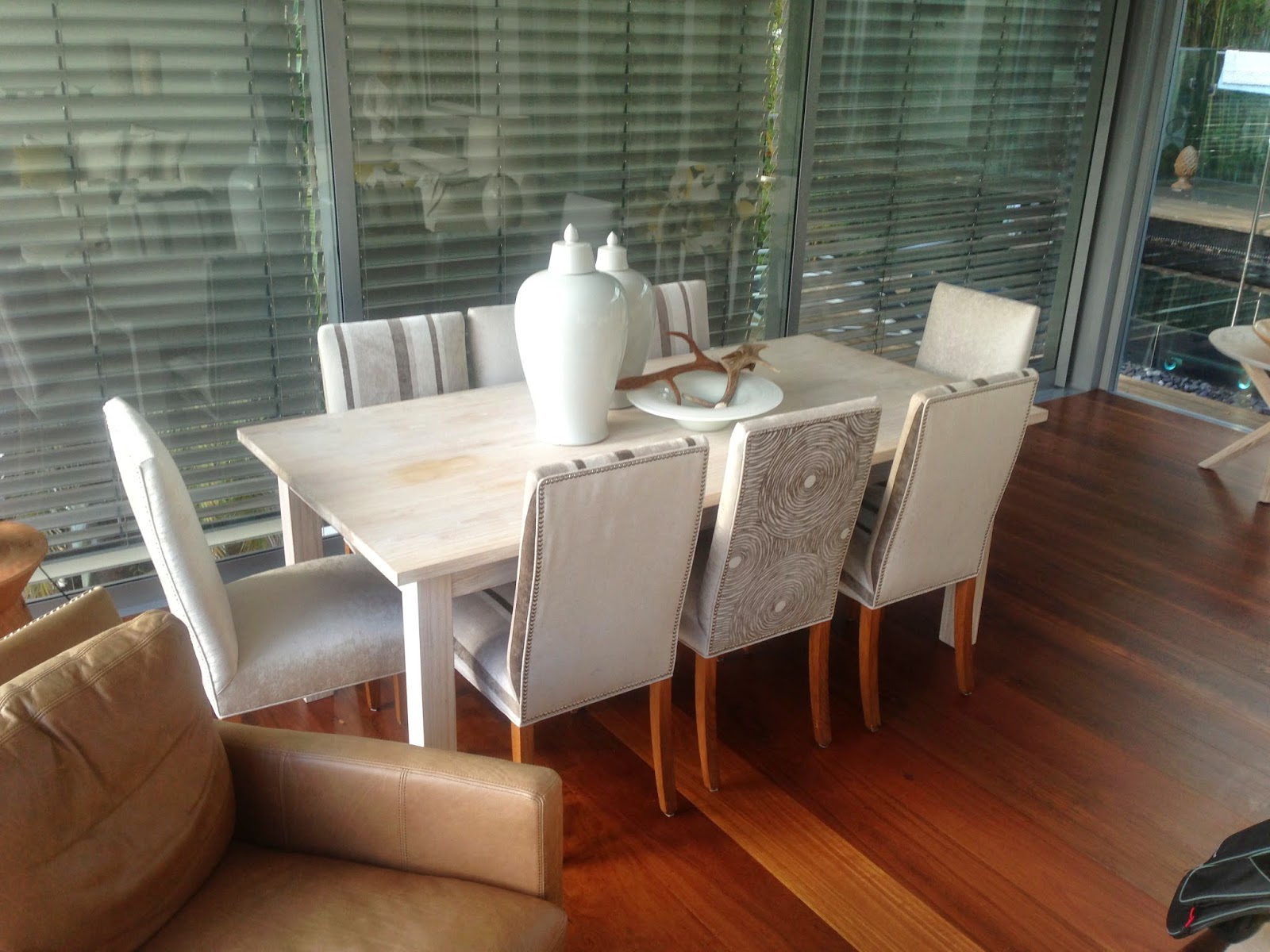
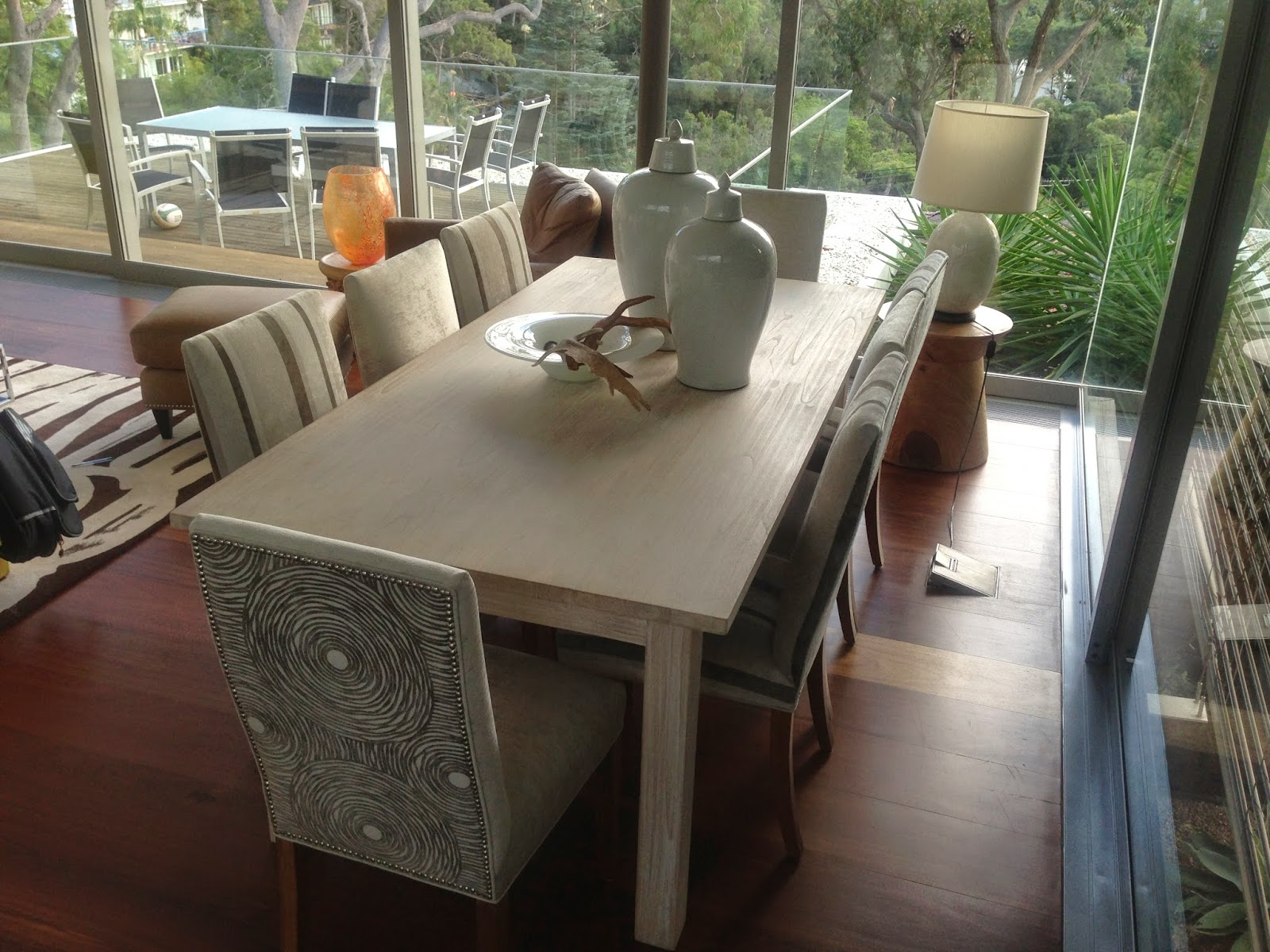
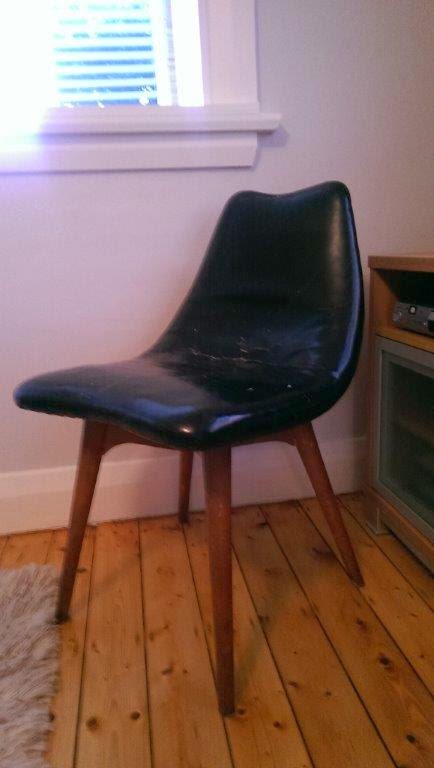
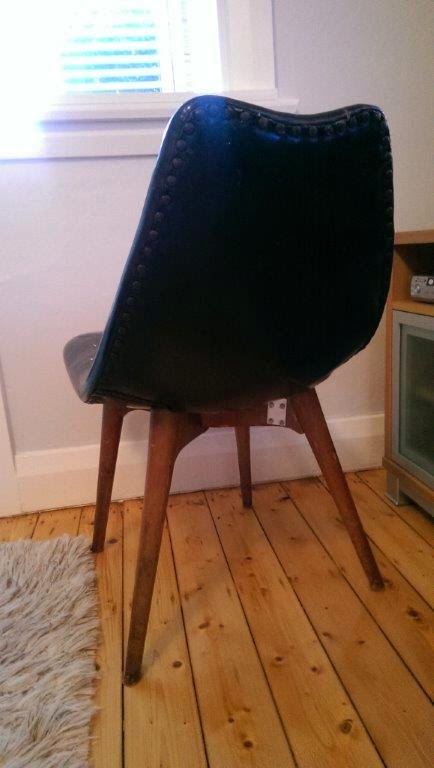
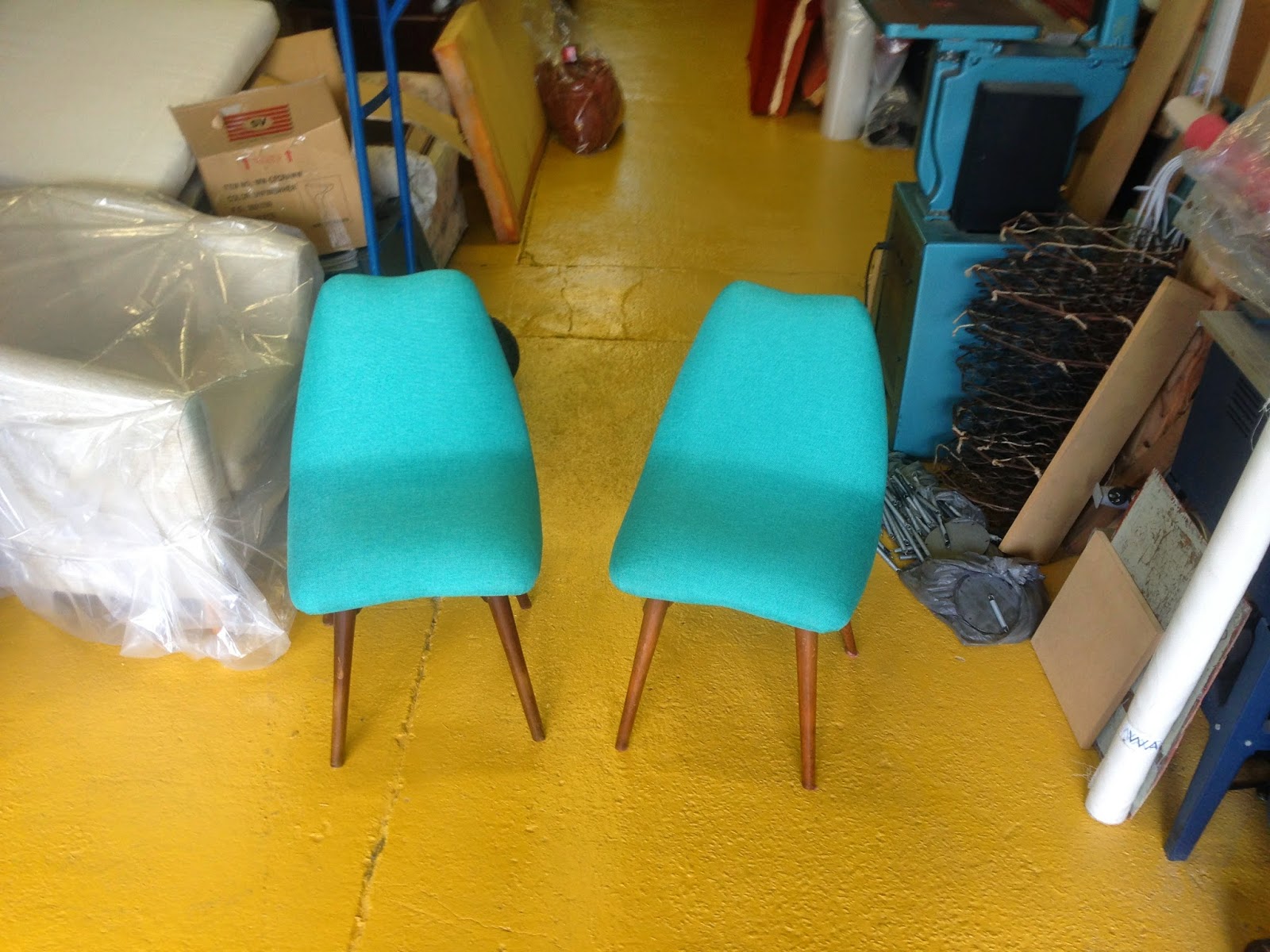
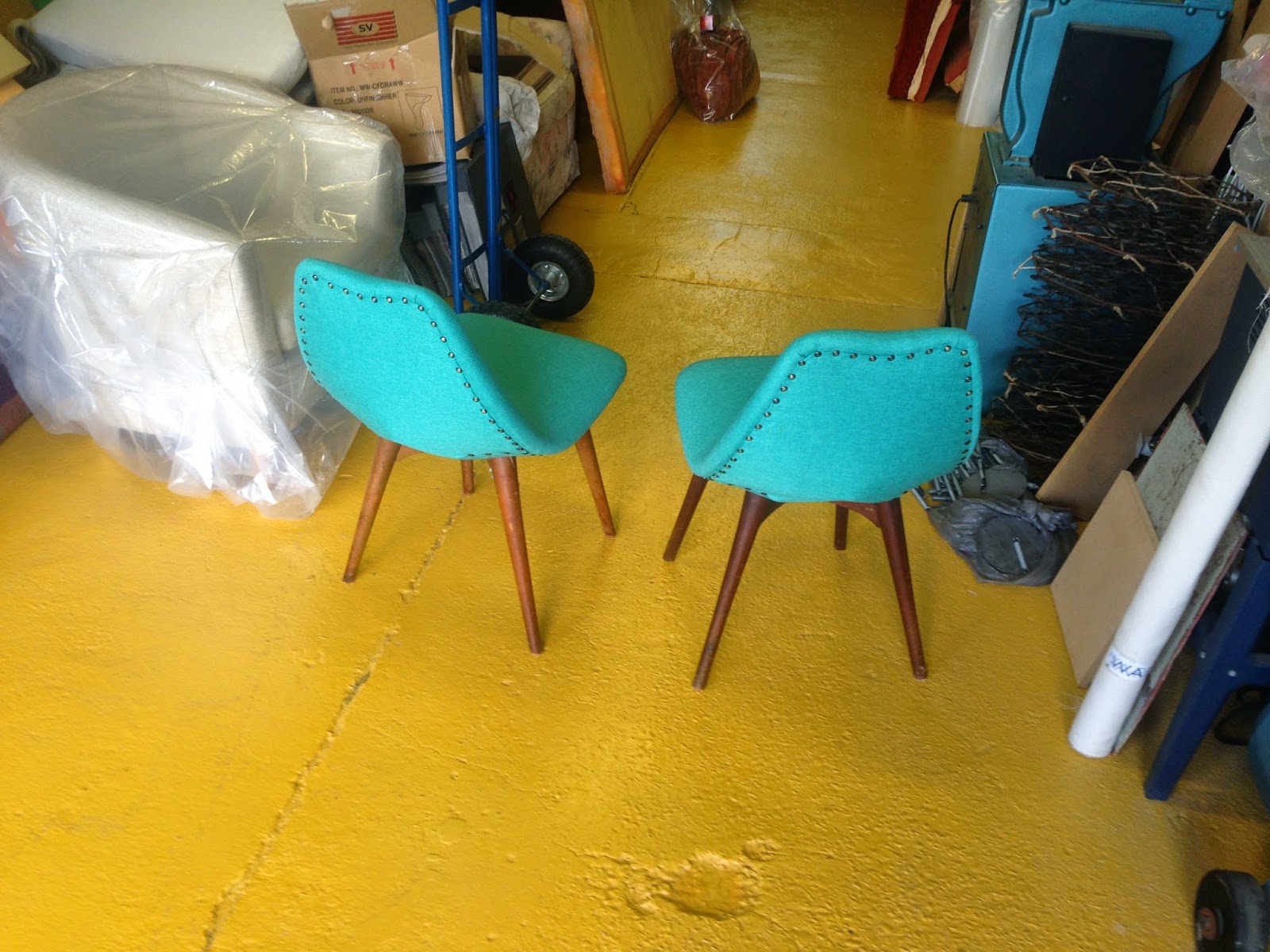
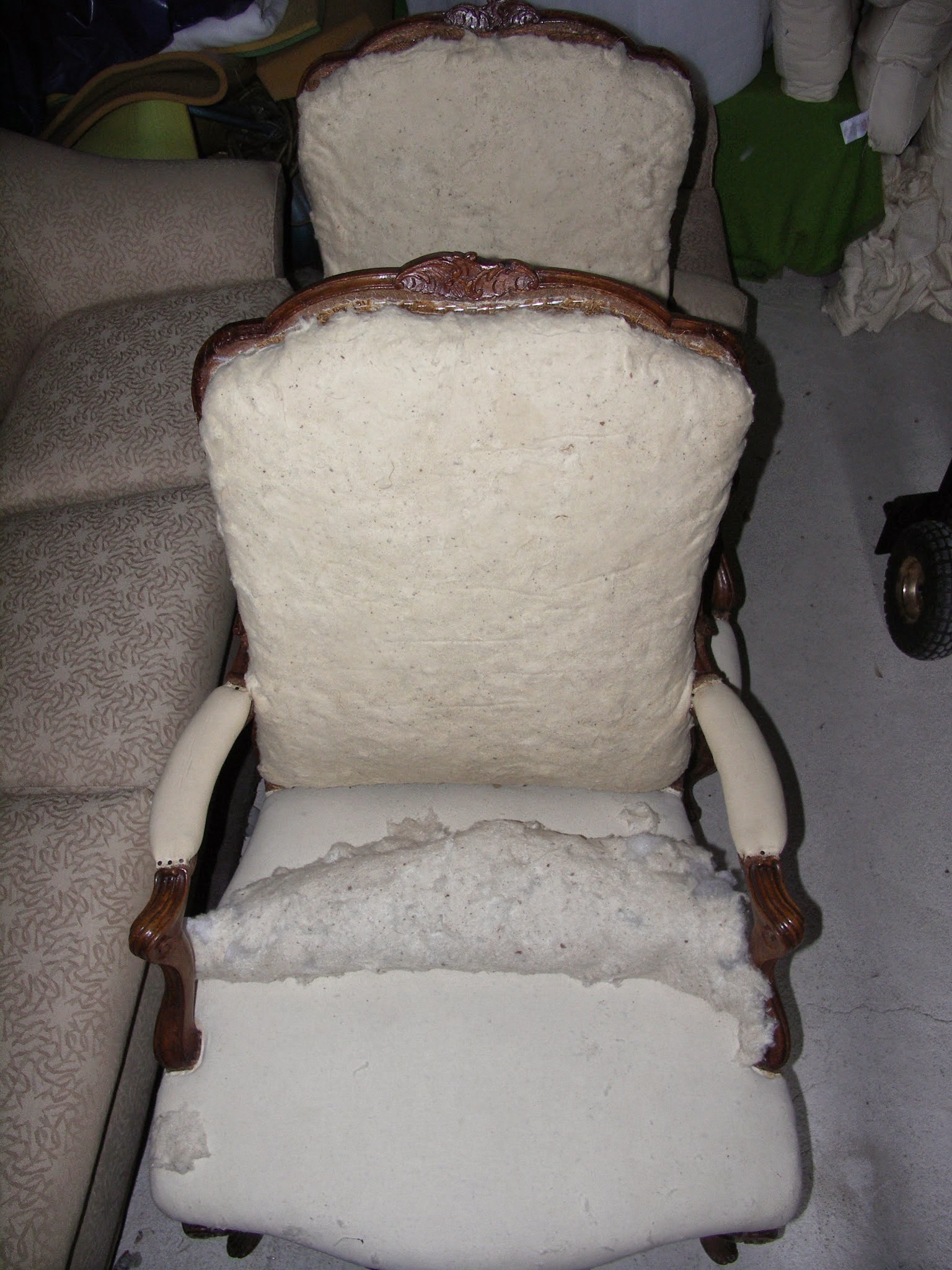
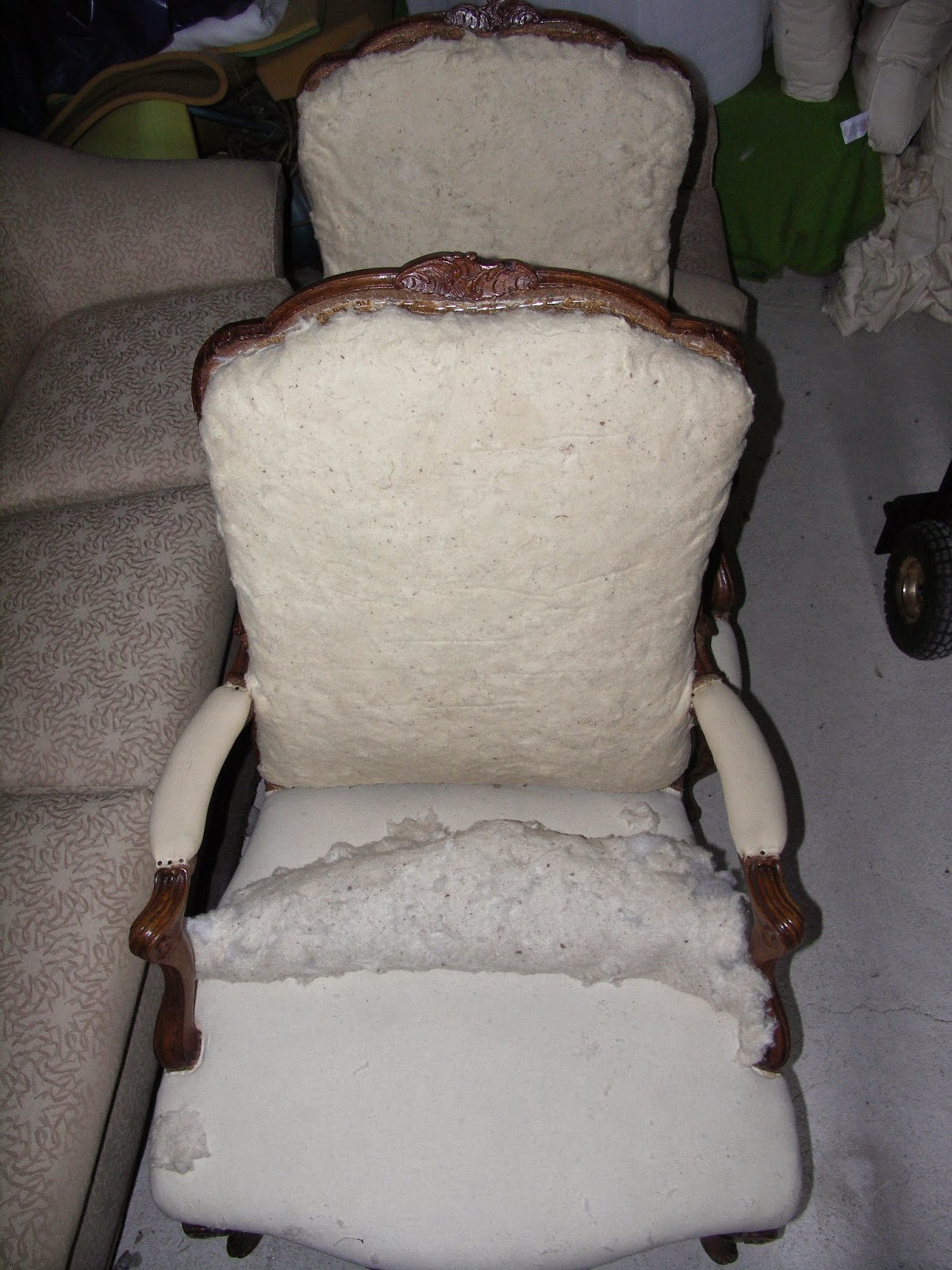
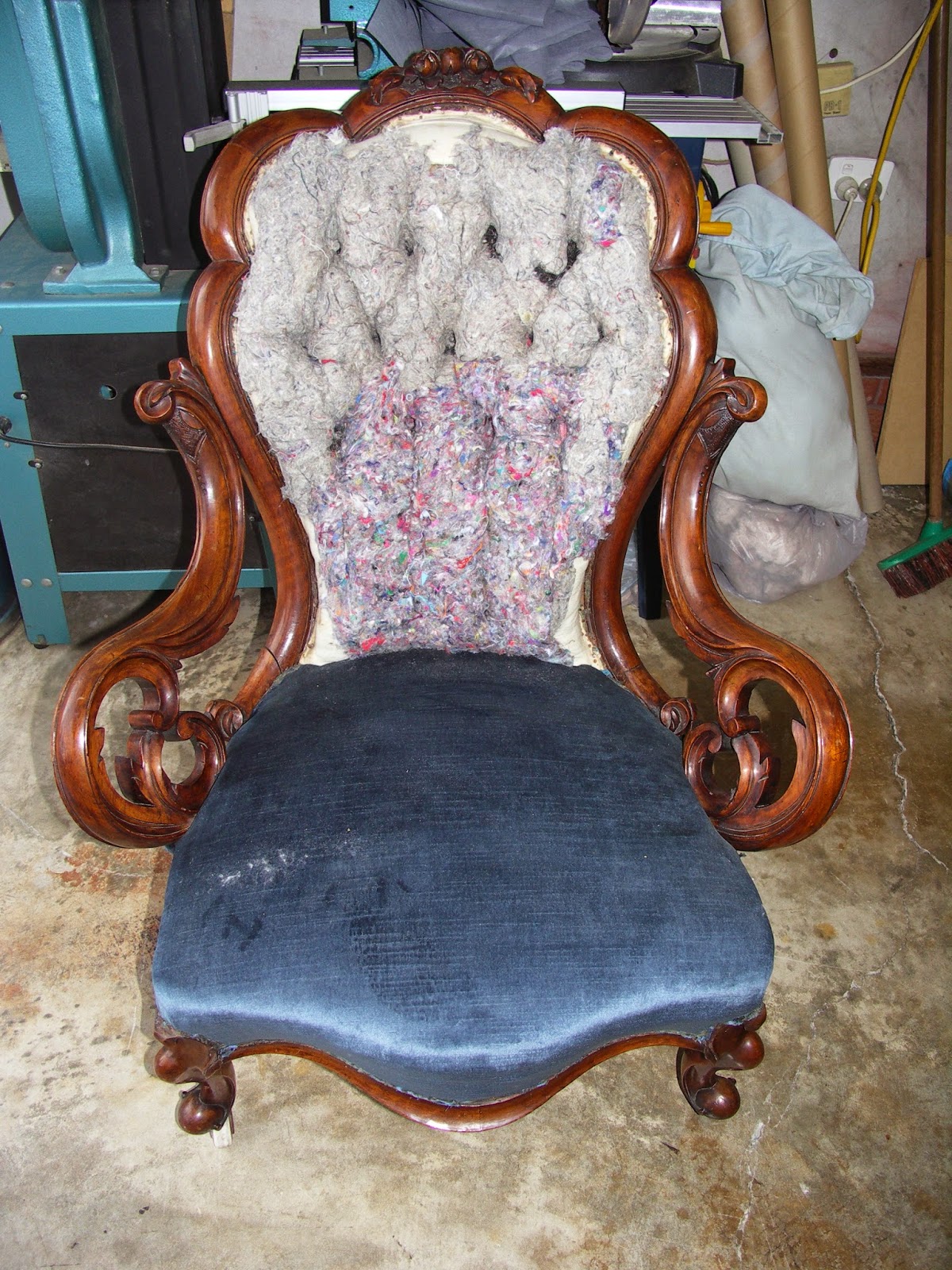
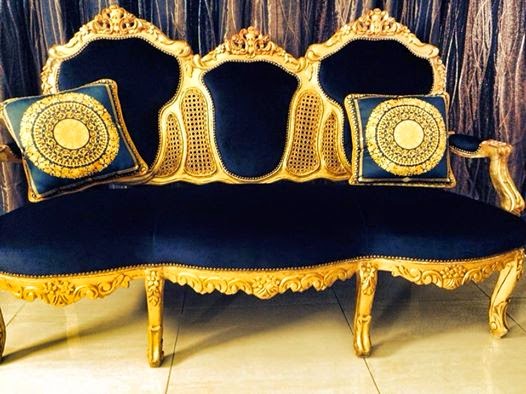
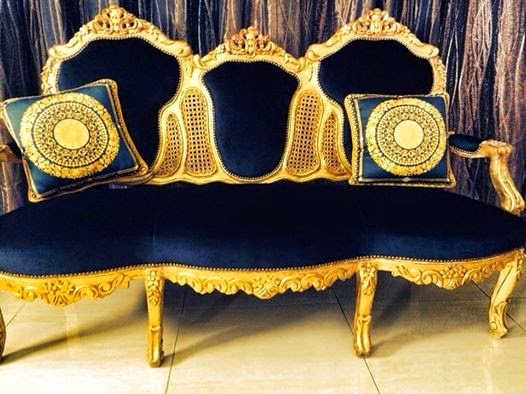
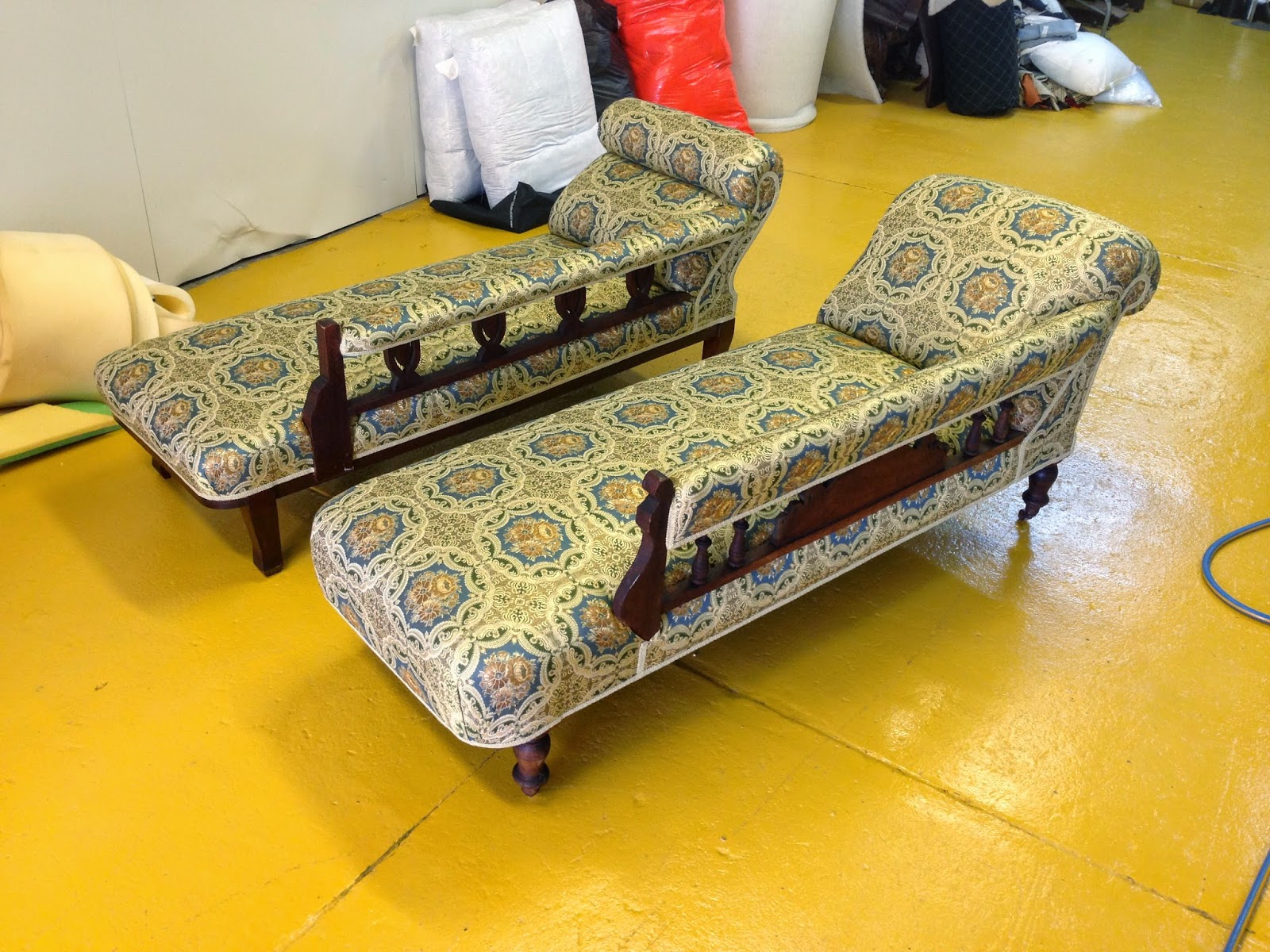
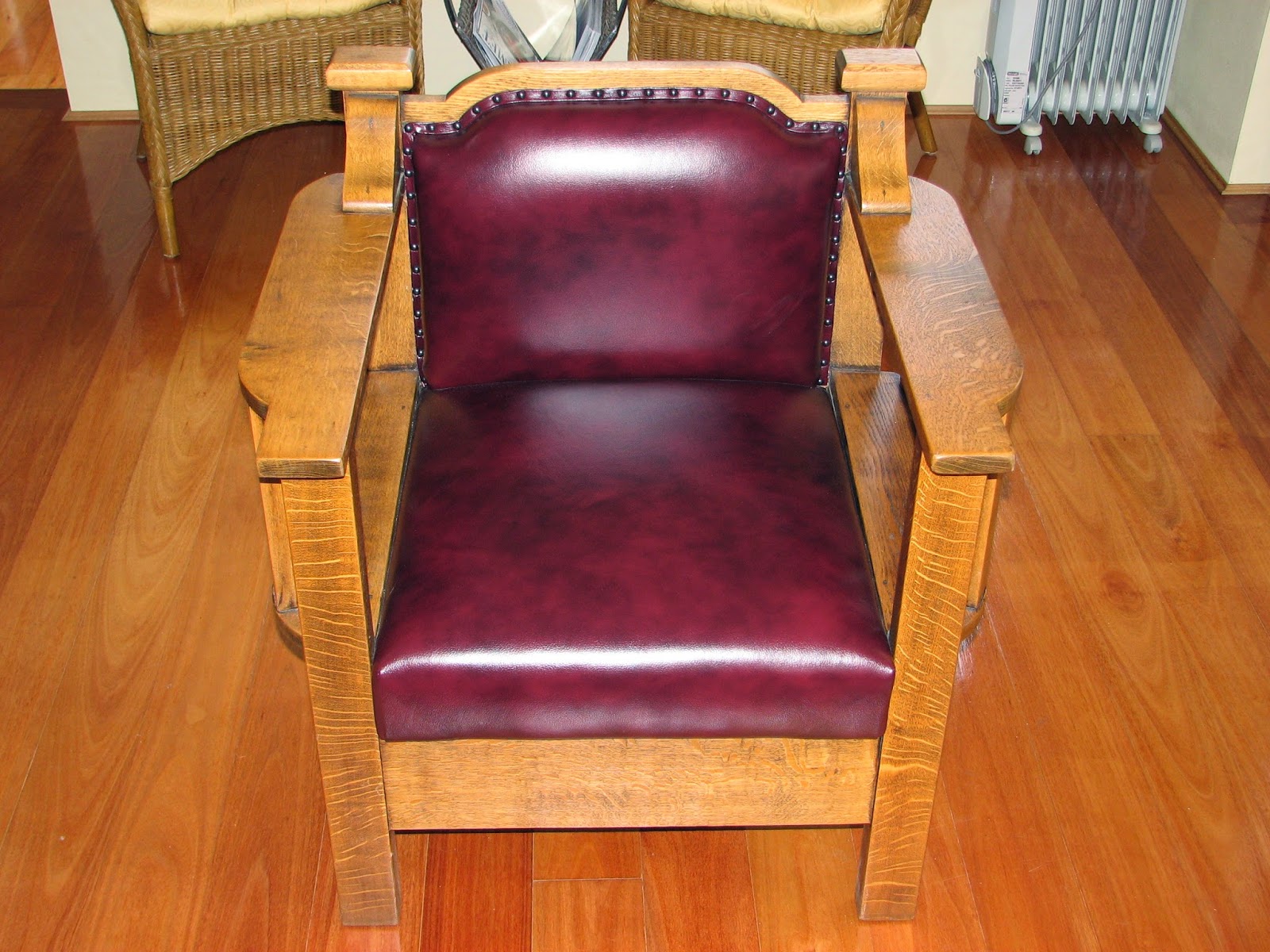
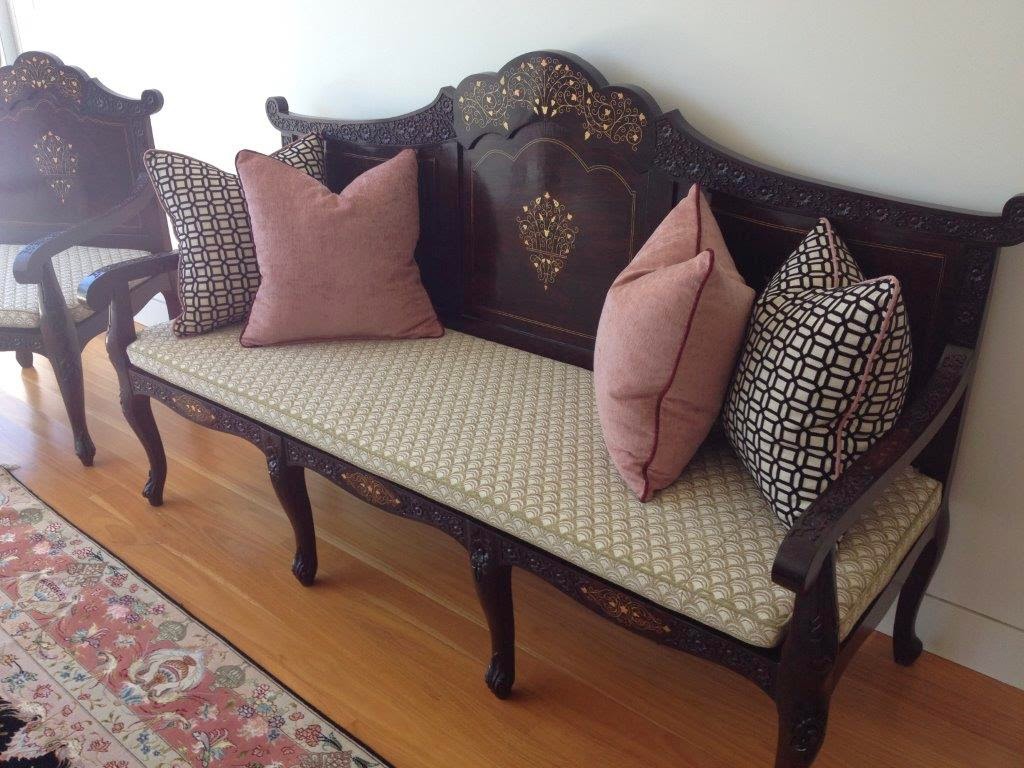
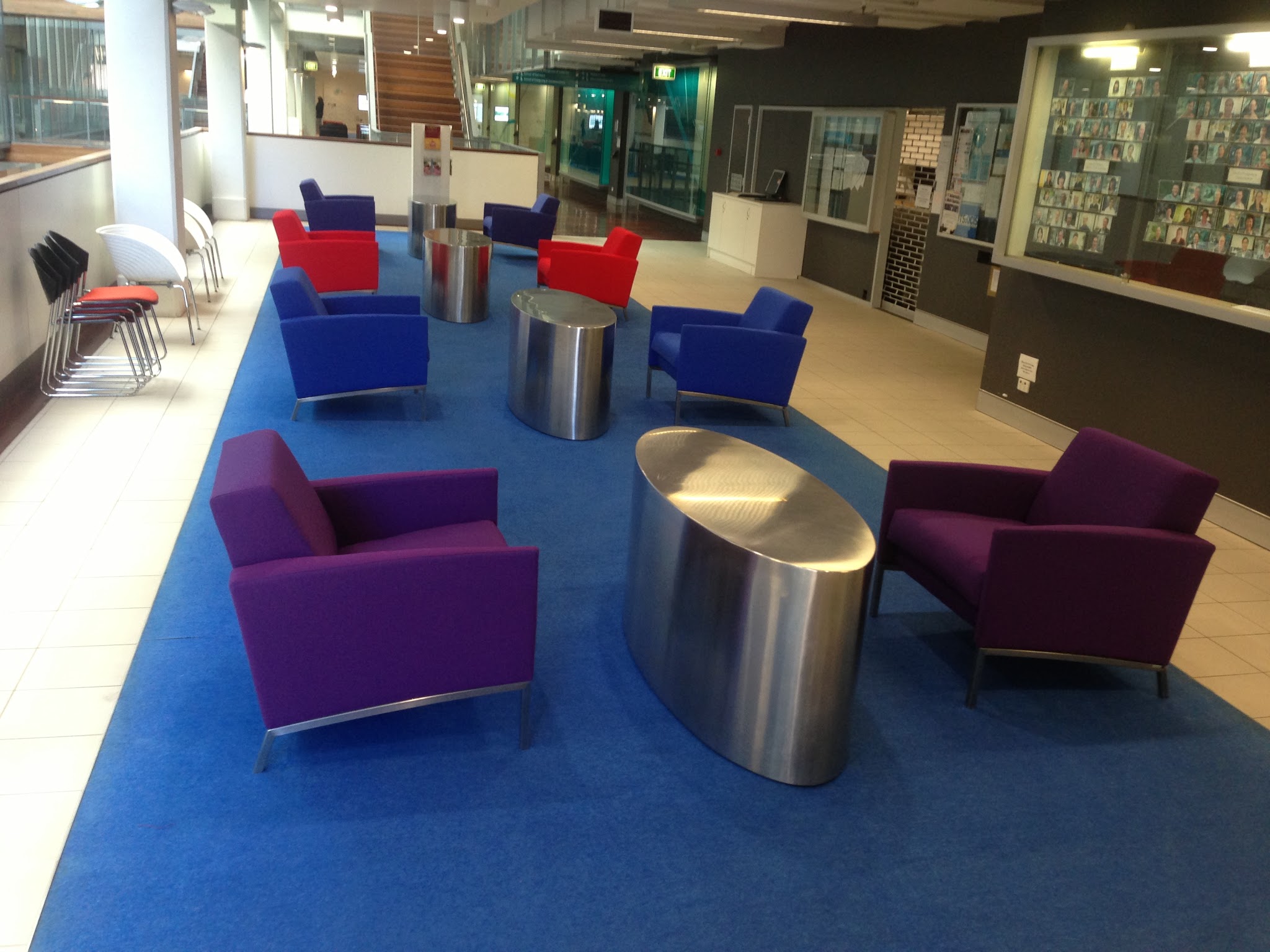
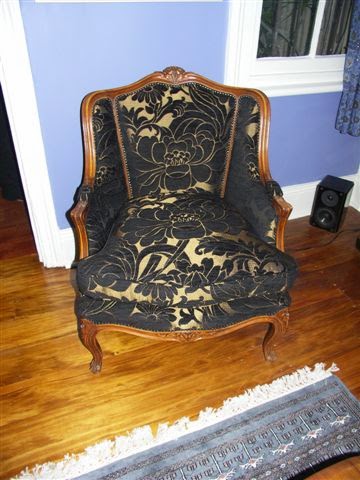
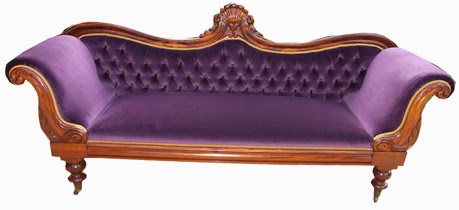
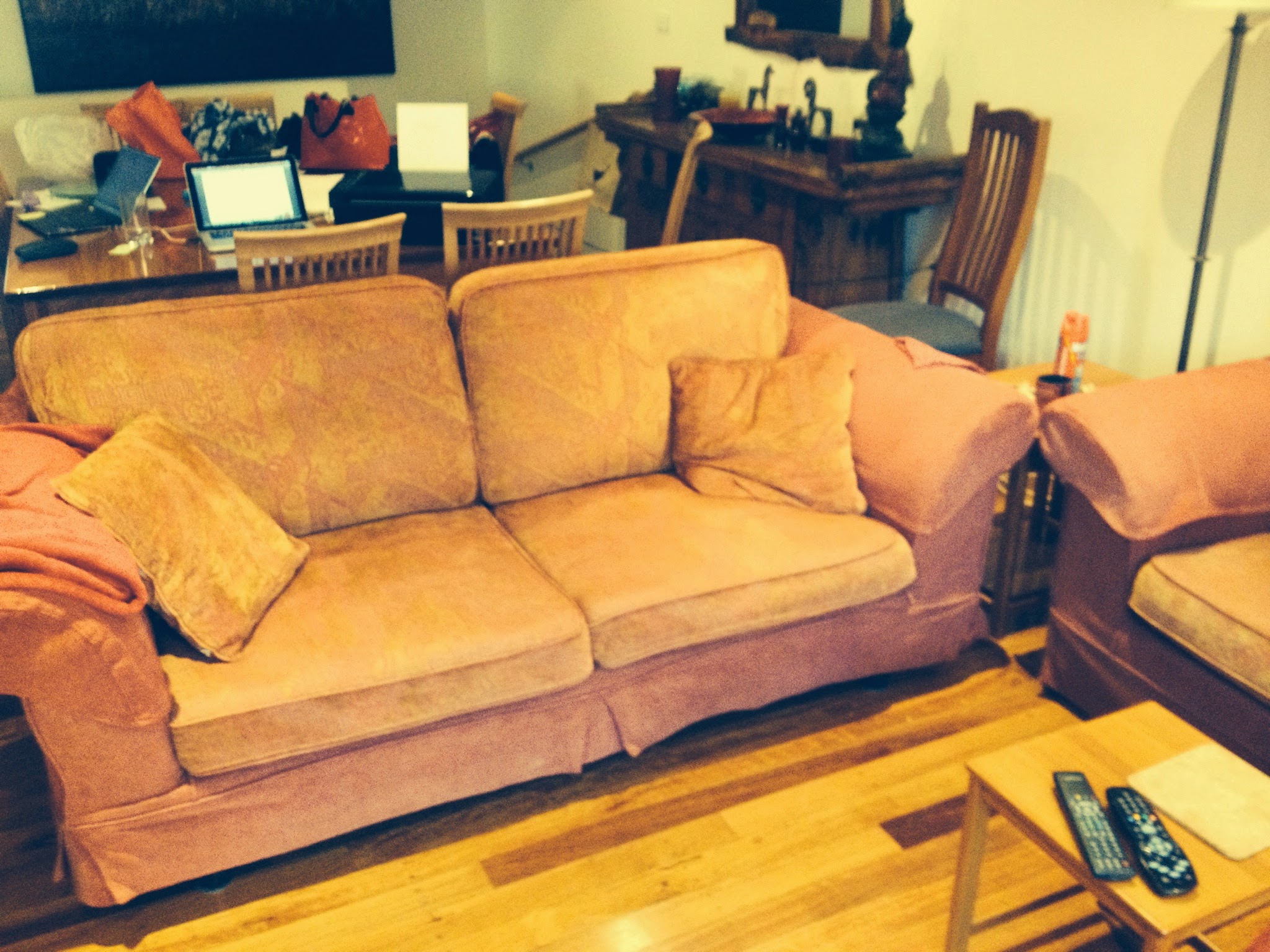
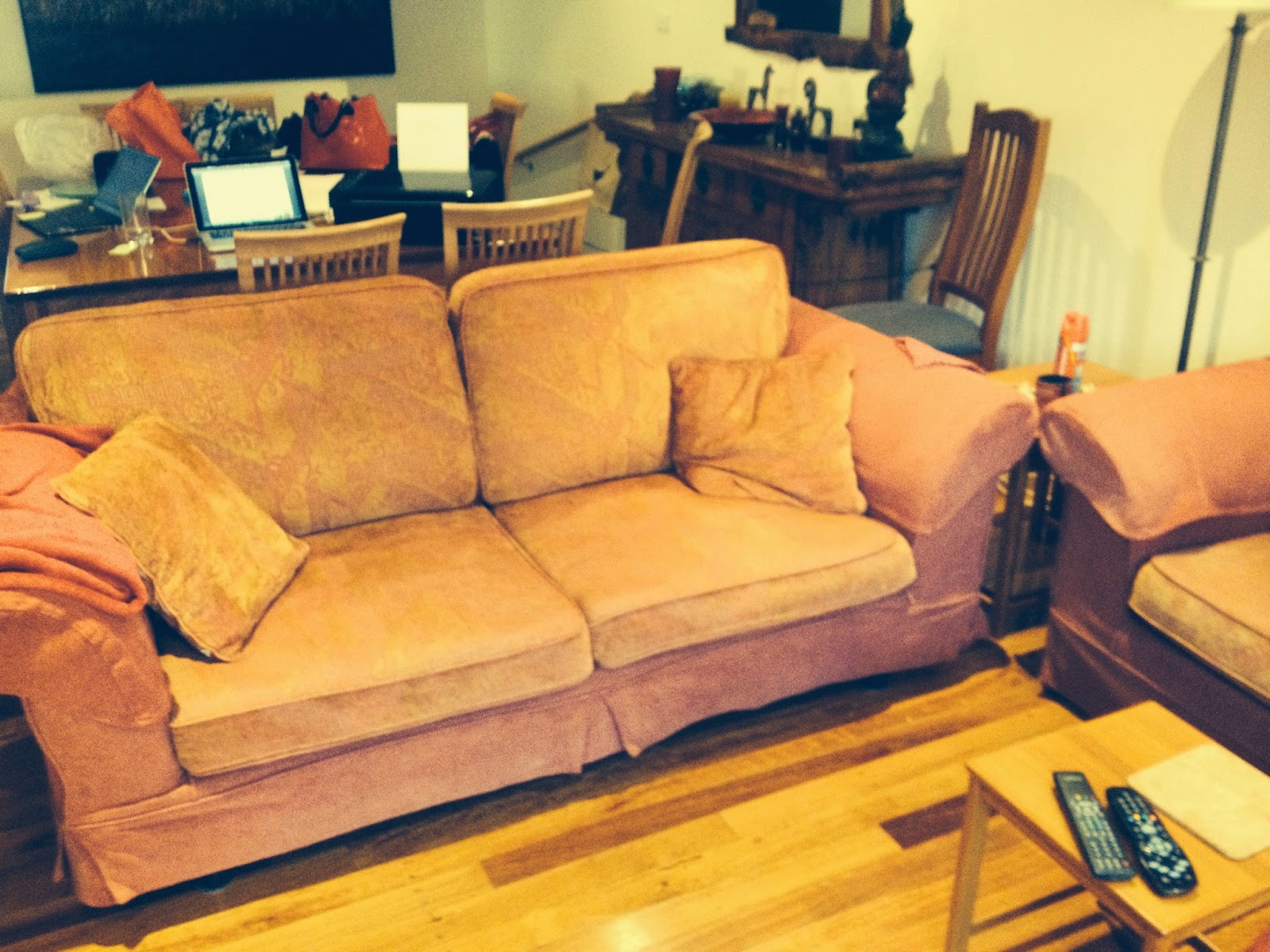
    Below are a few before and after photo’s of recent jobs, for more visit www.cover-it.com.au
  • The History Of Upholstered Furniture Part 5

    5
    LINTERS.
    Is actually compressed flock, and can be procured in rolls.
    The
    approximate weight of one roll 24″ wide is
    approximately ll lbs. Linters like coconut pads are used mostly on double and
    single action beds. It is also a very popular stuffing material for spring unit
    cushions. The advantage of using linters is that it does not have to be teased,
    and like the fibre pad, can be cut to various shapes and sizes. In the motor
    industry it is sewn-to hessian, and is known as “Batt”.


    FOAM RUBBER
    Using
    Latex Foam

    Latex foam is made from Latex, which comes from the rubber
    tree, most of which are grown in the Far East. The greater proportion of rubber
    leaves the country in which it is produced, in solid sheet form, but for Latex
    foam manufacture it is shipped in its natural form as a liquid.

    At the manufacturing plants, very small quantities of
    stabilisers,
    falcanizing agents, and setting fluids are added to the
    Latex, and the compound whipped to a creamy froth in large whisking machines.
    The whipping results in the formation of the interconnecting cell structure.
    The texture and firmness of the finished material are
    controlled by
    this whisking process, and the more air bubbles there are,
    the lighter and softer the finished products. When the foamed mass has reached
    the consistency required it is poured into metal moulds of the desired shape
    and heated under controlled conditions to give it its final shape and
    resilience. The Latex foam is then stripped from the mould, washed and dried.
    Latex foam must be stored away from the direct rays of the
    sun as it perishes and crumbles when subjected to this treatment.

    Since Latex foam came onto the market during the 1930’s it
    made rapid strides as a cushioning material for upholstery, and more and more
    each year was being incorporated in settees, chairs, stools etc.
    The main reason for this phenomenal growth was:
    That it does not sag or lose its shape.
    That the shape interpreted by the upholsterer and required
    by the designer will remain the same throughout the years. No longer is it
    necessary for the upholsterer to allow for sinking after use.
    There is nothing to wear out or go wrong.
    Latex foam does not make dust.
    It has a fine tailored appearance when upholstered.

    Methods of using latex foam.
    Mock cushion seats in chairs or settees.
    Most chairs and settees are made so that stock sizes of
    rubber
    cushioning will fit without cutting and shutting, and gluing
    together, and
    the most common sizes used at 20”x20”x2”or4” and
    20”x23”x2”or4”. On mock cushion seats these rubbers are generally used on top
    of the conventional web sprung and canvas seats, and are taped with strips of
    tape specially manufactured for sticking to rubber or strips of calico glued to
    the rubber with special solution. These tapes are used for the purpose of holding
    the rubber in place by tacking to the sides of the frames.

    POLYURETHANE FOAM
    In today’s furniture polyurethane foam is used. There are many
    different grades and qualities available.
    Today’s premium quality foams are a superior alternative to
    the old types of padding when used correctly and in the appropriate densities.


  • The History of Upholstered Furniture Part 4

    The History of Upholstered Furniture Part 4

    4
    PADDING
    MATERIALS.
    Since
    the advent of upholstered furniture some 400 years ago the
    upholsterer
    has been constantly striving to improve the comfort of the
    various
    pieces of upholstered furniture designed during his own particular
    lifetime,
    and for many years the comfort of the upholstered product depended entirely on
    the ability of the craftsman. However, with the discovery of foam rubber and
    synthetics during the last thirty years the work of the tradesman upholsterer
    has been made much easier. It cannot be denied that although many synthetics
    have made much headway into the upholstering industry, many of the stuffing
    materials used during the last 400 years are still being used in the upholstery
    industry. This has been brought about by the reproduction periods of many of
    the antique pieces of furniture made by craftsmen in previous periods. This
    type of furniture calls for first and second stuffing’s stitched edges, and
    cushions filled with stuffing materials, which have been used as cushion
    filling materials for many years, and are still in demand, by a big section of
    the upholstery buying public. We also find that many of these materials are
    used in conjunction with the synthetics of today, let us therefore study some
    of these stuffing materials and see what influence they have
    had
    on the trends of upholstery design.
    Flock
    Until
    the advent of Latex rubber, flock was perhaps the most sought after stuffing
    material on the market. As a filling on its own it was not satisfactory as it
    has a tendency to go hard and flatten out. However, when used in conjunction
    with a seat sprung with spiral springs, and if applied evenly and expertly by a
    craftsman, could be moulded into quite a comfortable seat or back. This
    material is made from fumigated rags, which are in turn teased in special
    teasing machines. Care must be taken when applying this stuffing material to an
    upholstered piece of furniture to ensure that all foreign matter is removed,
    and that the flock is completely free from lumps. Most upholsterers tease the
    flock in boxes with a stick before applying it to the actual job.
    One
    of the disadvantages of using flock is that should the outside
    covering
    material need cleaning, and cleaning fluids be applied then there is a
    possibility that the dye from the flock could be drawn through the cover thus
    ruining perhaps an expensive piece of material. This has often been the case
    when people have used shampoos to clean various pieces of upholstered
    furniture.


    Horse Hair

    An
    old timer that ruled supreme as a stuffing material for many 
    years
    was horsehair. It is very resilient, and is still used by many 
    upholsterers
    as a first stuffing for many types of upholstered furniture.
    However,
    as in most things there are numerous qualities. The cheaper varieties consist
    of short hair with little resilience. Owing to the scarcity of horsehair, quite
    a lot of it, which is used at present, is reconditioned, and re-teased. It is
    often procured from old unwanted chairs and settees, and if washed sterilized
    and re-teased, can be used, irrespective of age, on fully upholstered furniture
    without any loss of its former resilience.
    Horse
    hair is washed and sterilized by various methods, and after 
    these
    processes it is twisted into rope, forming the curl, which is retained 
    throughout
    its life, thus supplying the resilience and springiness so
    essential.
    A large proportion is dyed black, whilst some is left its natural 
    colour.
    These are called black and grey hair, but the colour is not so 
    important
    as the length and curl. The shorter the hair the less the curl, and therefore
    the less resilience, and the greater the quantity required to obtain good
    results. Care must be taken when using horsehair as a stuffing material to
    ensure that it is completely covered with flock or linters, and should there be
    a laxity in this operation; the hair finds its way through the cover to the
    discomfort of the person sitting on it.

  • The History of Upholstered Furniture Part 3

    The History of Upholstered Furniture Part 3

    3
    Today
    our love of comfort is as great as that of’ the Victorians
    but
    our way of life has changed, so that in the designing of chairs for today we
    must assess these needs, and find the best way of solving them. Our rooms are
    smaller than those of the past, and the
    amount
    of time required in running a home reduced to a minimum.
    furniture
    therefore should take up minimum of space without

    Sacrificing
    any of its usefulness and comfort.

    SEE WWW.COVER-IT.COM.AU FOR MORE

  • The history of upholstered furniture PART 2

    2
    Chairs became more elegant and graceful and were designed to enable the ladies and gentleman of the age to the up the elegant posing attitudes that were so popular.
    There was en elegance about the whole of this latter half
    the 18th century, with its finely proportioned streets, buildings, costumes and furniture.
    The coming of the19th century saw the beginning of many change that were to alter not only the face of Briton, but the way of life of
    millions of people. machines were to bring a new wealth, as well as
    new methods of manufacture; the population was to double in less than
    50 years, and the demand for cheap food, clothes and furniture, and
    homes were to reach heights previously undreamed of. The first year of
    the century Saw the need for more, and more inexpensive furniture being met by simplification of style, and construction without much depreciation in quality; later the fine traditions of the 18th century lost in the fight for cheaper goods .
    Although we may condemn 19th century furniture as lacking in refinement, and reflecting the materialistic outlook of the Victorians
    towards their leisure, as well as their work, it is difficult to find fault with the comfort of their chairs. The introduction of the coil spring for the first time at the beginning of the 19th century was to open up wide possibilities in the design of comfortable chairs, Improvements in artificial lighting must have done much to encourage people to sit and read or do some hobby rather then retire to bed. By the 1830’s the idea that relaxing was not quite the thing was dying fast.
    The first deep spring chairs seem to have been installed in the men’s clubs round St.James and Piccadilly, but quickly found their way into the Victorian home. The Victorians were well aware of the fact that comfort in chairs tends to be s personal matter, and that there
    Should be specially designed chairs for women as well as men. A study of Victorian furniture catalogues reveals the enormous range of styles and sizes in upholstered furniture in fact the Victorian Age can be called the Age of the upholsterer.

  • The history of upholstered furniture, PART 1

    1
    In the world of today comfort in sitting plays an important
    part whether we are travelling, working in an office, visiting the
    cinema or relaxing at home. The importance of sitting comfortably
    has a relatively short history, in fact the history of British chairs
    can be covered by some 400 years. Before attempting to solve some of
    the problems of today perhaps it is as well to consider the attitude
    towards sitting in the past, and the ways in which these needs are met.
    Almost all chairs up to the beginning of the 17tb century seem
    to have been designed on the lines of thrones; in other words, as
    chairs in which one sat with dignity rather than comfort, the hardness of the framed and panelled construction possibly being relieved by a cushion of padding of wool, horsehair, and feathers.
    To be chosen to be the head of a meeting, court or assembly
    gave one the honour of sitting in a chair, rather than on a stool or
    the floor, and so the word chairman has remained to this day. Even in
    the Elizabethan theatres it was considered normal to stand when watching a play. To be seen relaxing or reclining was considered to be bad manners, as well as showing weakness of character. This attitude towards sitting remained until well into the 19th century.
    The 17th century saw a big step forward in the standards of
    comfort in English homes. We find chairs becoming much more common,
    and upholstery an integral part of the design of the chairs. But it is
    in the beginning of the 18th century that we see for the first time
    chairs being thought of as truly upholstered chairs; in other words
    the frame work being designed from the point of view of a Skeleton to
    Support the flesh and “muscle” of the upholstery. Queen Anne wing-arm chairs are superb examples of the upholsterer’s art, but it must be
    remembered that these chairs, although extremely comfortable did not allow for very relaxed sitting. The height and depth of the seat together with the angle of the back did not allow for this.
    The rest 18th century saw the development of British furniture to a high level of design, and manufacture and is often referred to as the “Golden Age of Furniture”.

  • Highest quality workmanship and service guaranteed

    At Cover It Upholstery Sydney we strive to give you the highest quality workmanship and service. We service all suburbs of Sydney, including Inner West, Eastern Suburbs, Northern Suburbs, Northern Beaches, Sydney CBD and Sutherland Shire. Just send an email with a photo of any furniture to be recovered to [email protected] and we’ll be able to give you an estimate on what the cost might be and if you like can then come to see you with fabric, vinyl or leather samples and give you a written quote. Should you accept our quote and assuming the fabric is available we can generally pick up your furniture within 2 weeks and return it to you in one to two weeks depending on the work involved. See our website: http://www.cover-it.com.au.