I’m sharing an interesting article just received from the Australian Furniture Association (AFA).
This highlights a problem we face in our industry and the greater impact this has on our planet.
Cover It Upholstery Sydney would like to share this article below;
We know about fast fashion and fast food, Industries that
have come under scrutiny for their environmental and societal impacts. Now,
fast furniture -marked by cheap, disposable, and
mass-produced imported items – is creating a similarly harmful
footprint. As we approach 2025, this model of overconsumption is not
just impacting landfills but also undermining consumer trust in great
Australian Furniture Brands and sustainable retail practices. The Australian
Furniture Association is leading the way in securing the future of AFA Member
brands to grow, promote and protect the industry.
The question retailers and manufacturers must ask
themselves is: Does the convenience and affordability of fast furniture
justify the long-term damage it causes to people, the planet, and the economy?
What Is Fast Furniture?
Fast furniture mirrors the ethos of fast fashion – quick,
affordable, and disposable – designed for short-term use. This approach
prioritises speed and cost over quality, safety and durability, leading to
products that are discarded as quickly as they are purchased. The rise of Black
Friday and Cyber Monday sales has exacerbated this trend, with
millions of consumers lured by low prices and “too good to miss” deals.
But the consequences are significant:
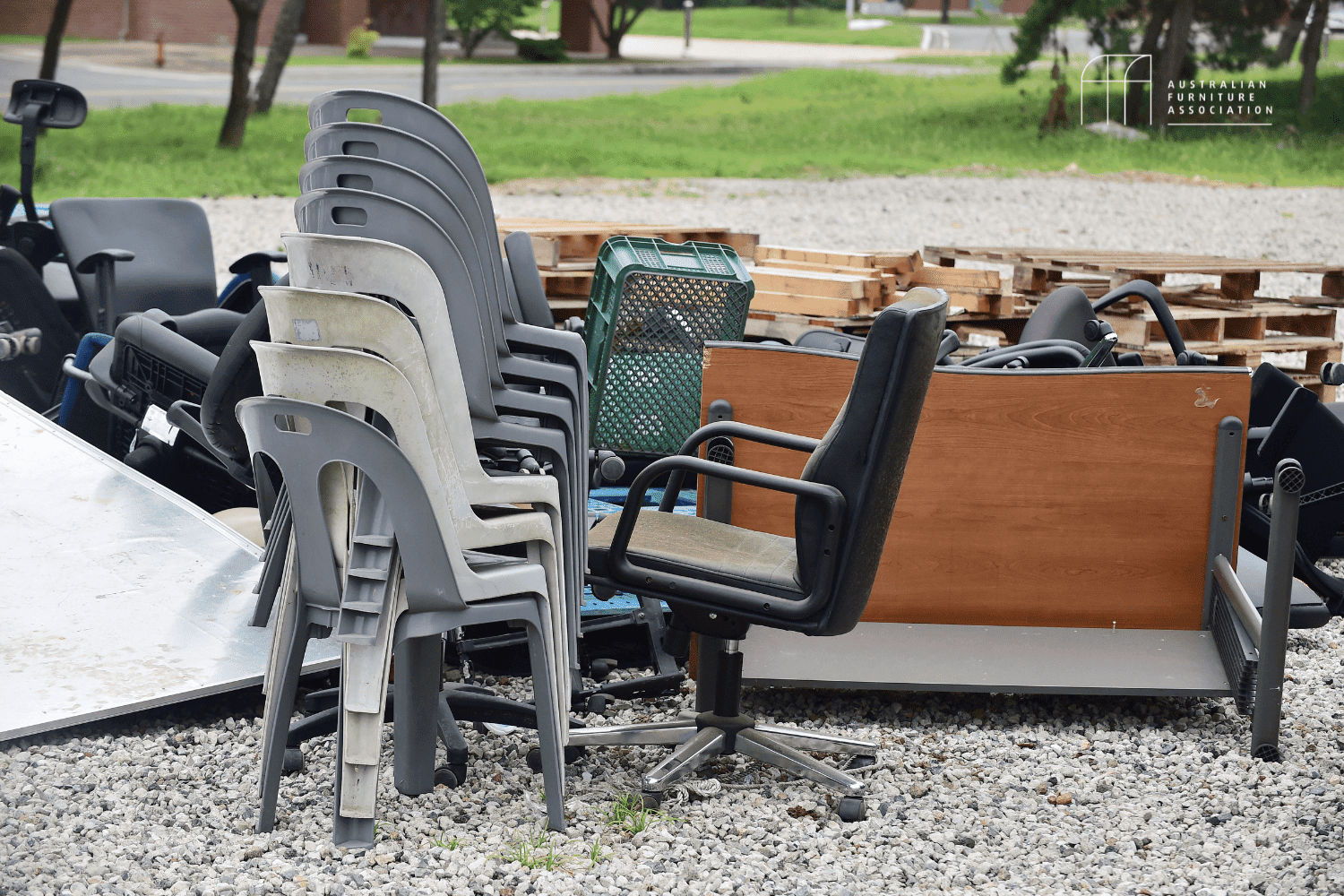
- Landfill Overflow: Australians
discard 30,000
tonnes of commercial furniture annually, with 95% of this ending up in
landfills. Most of this waste is recyclable, yet infrastructure and
systems to support proper recycling remain limited.
- Environmental
Degradation: Many
fast furniture products rely on non-certified timber, synthetic plastics,
and harmful adhesives. The widespread use of hazardous chemicals such as
PFAS, often referred to as “forever chemicals,” as highlighted in
the AFA
Chemicals of Concern Industry Review, further exacerbates risks by
persisting in the environment and contaminating water systems.
- Short-Term Thinking: What initially
seems like an affordable purchase often becomes costly in the long run, as
frequent replacements increase financial and environmental burdens.
Fast Furniture’s Negative Connotations
The term “fast” carries well-earned criticism, whether in
the context of fashion, food, or furniture. It’s a shorthand for disposability,
overconsumption, and environmental harm. Just as fast food is linked to health
risks and fast fashion to exploitation and waste, fast furniture contributes to
unsustainable practices that harm ecosystems and exploit vulnerable supply
chains.
Why Retailers Must Adapt
According to the Retail
Doctor Group, retailers who stay ahead of evolving consumer trends are
better positioned to succeed. Sustainability is no longer a niche concern; it
is a mainstream expectation. Consumers increasingly demand transparency, quality,
and ethical production—and they are holding businesses accountable.
Key shifts in consumer behaviour include:
- Sustainability-Driven
Choices: Over
63% of Australians prefer brands committed to sustainability. Retailers
who focus on durable, repairable, and sustainable furniture will win
consumer loyalty.
- Transparency Through
Technology: The Furniture
Passport Australia System (FPAS), an initiative by the Australian
Furnishing Industry Stewardship Council (AFISC) and the Australian
Furniture Association (AFA), will provide detailed information about a
product’s lifecycle. This empowers consumers to make informed purchasing
decisions aligned with their values.
A Path Toward Circularity
Retailers and manufacturers can counter the harm of “fast
furniture” by adopting circular economy principles. This approach focuses
on:
- Designing for durability
and repairability.
- Offering take-back
programs to recycle or repurpose furniture.
- Using sustainable
materials and eliminating harmful chemicals like PFAS.
Government-backed projects, such as the AFA’s Furniture 360
(F360) initiative, offer a blueprint for reducing waste and promoting
sustainable manufacturing practices.
The Retail Opportunity: Beyond Fast Furniture
Retailers have a choice: continue down the unsustainable
path of fast furniture or embrace practices that reflect consumer values and
build trust. Here’s why the latter is a winning strategy:
- Long-Term Growth: Sustainability is
not just an ethical imperative – it’s a competitive advantage. Businesses
that adopt sustainable practices see increased customer loyalty and
long-term profitability.
- Consumer Education: By providing tools
like FPAS and promoting the benefits of buying for quality rather than
quantity, retailers can lead the charge in transforming consumer
behaviour.
- Regulatory Readiness: Proactive
manufacturers and retailers who align with policies like the ESP Policy,
the National Waste Policy and international sustainability standards, will
be better equipped to navigate future regulations and avoid
disruptions.
A Sustainable Future for Australian Furniture
“Fast furniture” may dominate the present, but the future
belongs to those who invest in sustainability. By embracing the principles of
the AFA and AFISC, and leveraging tools like the Furniture
Passport Australia System, retailers and manufacturers can meet the growing
demand for durable, ethical, and environmentally responsible furniture.
The transition to a circular economy isn’t just good for the
planet – it’s good for business. Together, we can move beyond the unsustainable
allure of fast furniture and create a retail landscape that values quality,
transparency, and sustainability over fleeting convenience. Check before
you buy – Visit theafa.asn.au Member
Directory NOW for bone-fide suppliers of Furniture.
Thank you for taking the time to read this article shared by Cover It Upholstery Sydney, hope you found it interesting and might influence your future furniture buying decisions.
Leave a Reply