Category: We service all suburbs of Sydney

  • IS GOOD QUALITY FURNITURE WORTH RECOVERING?

     IS GOOD QUALITY FURNITURE WORTH
    RECOVERING?

    Absolutely!
    Recovering good quality furniture is often worth it because it can give new
    life to pieces that have solid construction and timeless design. Here’s why it
    can be a smart move:


    Durability:
    High-quality furniture is built to last. Investing in recovering can extend its
    lifespan and make it more sustainable.


    Customization:
    Recovering allows you to choose fabrics, colours, and patterns that fit your
    current style and decor, making the piece feel fresh and tailored to your
    taste.


    Cost-Effective:
    While the initial cost of recovering might seem high, it’s often less than
    buying a new, high-quality piece of furniture. Plus, you’re preserving
    something that might be more valuable or unique.


    Sentimental
    Value: If the furniture has sentimental value or has been in the family for
    years, recovering it can preserve those memories while making it functional and
    stylish again.


    Eco-Friendly:
    By reupholstering, you’re keeping furniture out of landfills and reducing the
    demand for new resources, which is a win for the environment.


    Overall, if the piece is well-made and you like
    its design, recovering can be a great investment

  • Your Complete Upholstery Service


    Your Complete Upholstery Service


    When it
    comes to revamping your furniture or giving your space a fresh new look,
    upholstery services are a must-have. From repairing worn-out pieces to
    completely transforming the feel of a room, upholstery services offer a wide
    range of options to suit your needs.


    At Cover It Upholstery, Your Complete Upholstery Service, we take pride in providing
    top-notch upholstery services to our clients. Whether you’re looking to update
    your old sofa or customize a new piece of furniture, our team of skilled
    craftsmen are here to help.


    Our services
    include reupholstering, repairing, and customizing all types of furniture, from
    chairs and sofas to ottomans and headboards. We work with a wide range of
    fabrics, materials, and styles to ensure that your furniture matches your
    unique taste and lifestyle.


    In addition
    to our upholstery services, we also offer onsite consultations to help you
    choose the perfect fabric and design for your furniture. Our team will work
    closely with you to understand your vision and provide expert guidance every
    step of the way.


    Whether
    you’re looking to update a single piece of furniture or transform an entire
    room, Cover It Upholstery, Your Complete Upholstery Service has the expertise and resources to bring
    your vision to life. Contact us today to schedule a consultation and start
    transforming your space with our professional upholstery services.

  • THERE ARE DIFFERENT TYPES OF LEATHER

    THERE ARE DIFFERENT TYPES OF LEATHER

    Different types of leather require different care methods to
    ensure their longevity and maintain their appearance. Here are some general
    guidelines for caring for different types of leather:


    1. Full-grain leather: This is the highest quality and most durable
    type of leather. To care for full-grain leather, follow these steps:

    – Clean regularly with a soft, damp cloth to remove dirt and
    dust.

    – Apply a leather conditioner or cream to keep the leather
    moisturized and prevent it from drying out.

    – Avoid exposing the leather to direct sunlight or heat
    sources, as this can cause it to fade or crack.


    2. Top-grain leather: This type of leather is slightly lower
    in quality than full-grain leather but still requires proper care. Here’s how
    to care for top-grain leather:

    – Clean with a soft, dry cloth to remove surface dirt and
    dust.

    – Use a leather cleaner specifically designed for top-grain
    leather to remove stains or spills.

    – Apply a leather conditioner to keep the leather soft and
    supple.


    3. Suede leather: Suede is a type of leather with a napped
    finish. To care for suede leather, follow these steps:

    – Use a suede brush or eraser to remove surface dirt and
    stains.

    – Avoid getting suede leather wet, as it can cause permanent
    damage. If it does get wet, let it air dry naturally.

    – Apply a suede protector spray to repel water and stains.


    4. Nubuck leather: Nubuck is similar to suede but has a
    finer grain. Here’s how to care for nubuck leather:

    – Use a nubuck brush or eraser to remove dirt and stains.

    – Avoid getting nubuck leather wet, as it can cause
    permanent damage. If it does get wet, let it air dry naturally.

    – Apply a nubuck protector spray to repel water and stains.


    5. Patent leather: Patent leather has a glossy, shiny
    finish. To care for patent leather, follow these steps:

    – Wipe with a soft, damp cloth to remove dirt and smudges.

    – Use a patent leather cleaner or mild soap and water to
    remove stubborn stains.

    – Apply a patent leather conditioner or polish to maintain
    its shine.


    Remember to always check the care instructions provided by
    the manufacturer or consult a professional if you are unsure about how to care
    for a specific type of leather.


     LEATHER CLEANING


    1. Ink Stains:

       – Blot the stain
    gently with a clean, white cloth to remove any excess ink.

       – Apply a small
    amount of rubbing alcohol or non-acetone nail polish remover to a cotton ball
    or cloth.

       – Gently dab the
    stain with the alcohol-soaked cotton ball, being careful not to rub too hard.

       – Continue dabbing
    until the ink stain is lifted.

       – Wipe the area
    with a clean, damp cloth and allow it to air dry.


    2. Grease or Oil Stains:

       – Blot the stain
    gently with a clean, white cloth to remove any excess grease or oil.

       – Sprinkle a small
    amount of cornstarch or talcum powder onto the stain and let it sit for a few
    hours to absorb the oil.

       – Use a soft brush
    or cloth to gently brush away the powder.

       – If the stain
    persists, apply a small amount of leather cleaner or mild soap mixed with water
    to a clean cloth.

       – Gently rub the stain
    in a circular motion until it is removed.

       – Wipe the area
    with a clean, damp cloth and allow it to air dry.


    3. Water Stains:

       – Blot the stain
    gently with a clean, white cloth to remove any excess moisture.

       – Allow the leather
    to air dry naturally, away from direct heat sources.

       – Once dry, gently
    buff the stain with a soft cloth or use a hairdryer on the lowest heat setting
    to help remove the water stain.

       – If the stain
    persists, apply a small amount of leather conditioner to a clean cloth and
    gently rub the stain in a circular motion.

       – Wipe the area
    with a clean, damp cloth and allow it to air dry.


    4. Food or Beverage Stains:

       – Blot the stain
    gently with a clean, white cloth to remove any excess food or liquid.

       – Mix a small amount
    of mild soap with water to create a soapy solution.

       – Dip a clean cloth
    into the soapy solution and gently rub the stain in a circular motion.

       – Wipe the area
    with a clean, damp cloth to remove any soap residue.

       – Allow the leather
    to air dry naturally.


    It’s important to test any cleaning solution on a small,
    inconspicuous area of the leather before applying it to the stain. If you’re
    unsure or dealing with a stubborn stain, it’s best to consult a professional leather cleaner for advice or assistance.
  • Upholstery refers to the process of covering furniture


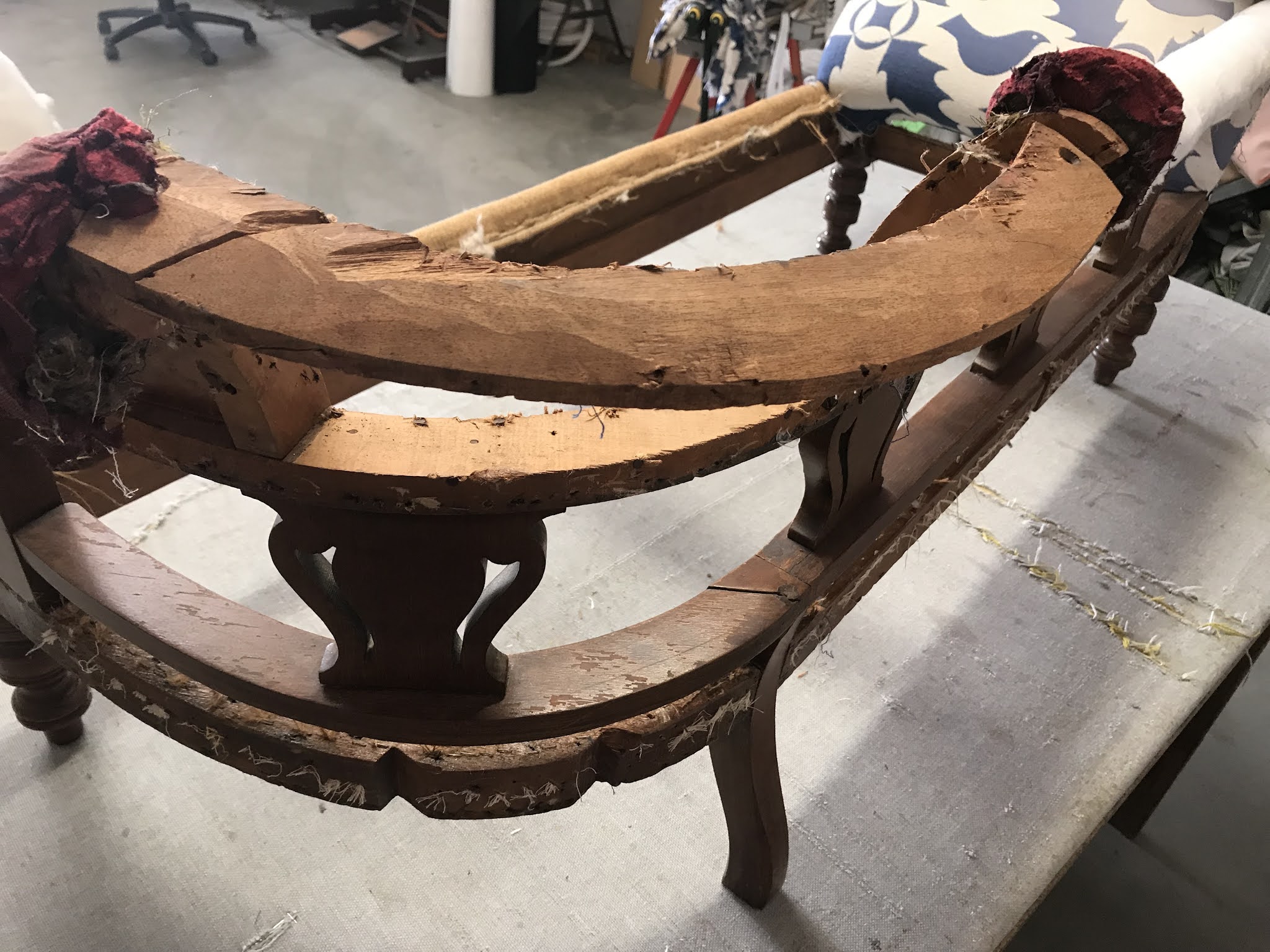
    Upholstery refers to the process of covering furniture, such
    as chairs, sofas, and ottomans, with fabric or leather to provide comfort and
    aesthetic appeal. It involves removing the existing fabric or covering,
    repairing or replacing any damaged padding or springs, and then attaching the
    new fabric or covering to the furniture frame. Upholstery can be done by
    professionals or as a DIY project with the right tools and materials.


    How do I choose the best fabric for upholstery?

    When choosing fabric for upholstery, there are several
    factors to consider:


    Durability: Consider the level of use the furniture will
    receive. If it will be heavily used, opt for a durable fabric like microfiber,
    leather, or synthetic blends. For less frequently used furniture, you can
    choose more delicate fabrics like silk or velvet.


    Colour and Pattern: Consider the overall colour scheme and
    style of the room. Choose a fabric that complements the existing decor. If you
    want the furniture to be a focal point, you can choose a bold pattern or
    colour. If you prefer a more subtle look, go for neutral tones or solid
    colours.


    Maintenance: Consider the ease of cleaning and maintenance.
    Some fabrics are more stain-resistant and easier to clean than others. If you
    have pets or children, you may want to choose a fabric that is resistant to
    stains and easy to clean.


    Texture: Consider the texture of the fabric and how it feels
    to the touch. Some fabrics are smooth and sleek, while others have a more
    textured or nubby feel. Choose a texture that suits your personal preference
    and the overall style of the room.


    Budget: Consider your budget for upholstery fabric. Prices
    can vary greatly depending on the type of fabric and its quality. Set a budget
    and look for fabrics within that range.


    It’s also a good idea to request fabric samples or swatches
    before making a final decision. This will allow you to see how the fabric looks
    and feels in person and how it matches with your existing furniture and decor.


     How do I maintain upholstered furniture?

    To maintain upholstered furniture and keep it looking its
    best, here are some tips:


    Regular Cleaning: Vacuum your upholstered furniture
    regularly to remove dust, dirt, and debris. Use a brush attachment or a
    handheld vacuum with a soft brush to gently clean the fabric. This will help
    prevent dirt from becoming embedded in the fabric.


    Spot Cleaning: Attend to spills and stains immediately to
    prevent them from setting into the fabric. Blot the stain with a clean cloth or
    paper towel to absorb as much of the liquid as possible. Avoid rubbing the
    stain, as it can spread and make it harder to remove. Use a mild detergent or
    upholstery cleaner specifically designed for the fabric type, following the
    manufacturer’s instructions. Test the cleaner on a small, inconspicuous area
    first to ensure it doesn’t damage or discolour the fabric.


    Rotate Cushions: If your upholstered furniture has removable
    cushions, rotate them regularly to distribute wear and tear evenly. This will
    help prevent one side from becoming more worn than the others.


    Avoid Direct Sunlight: Prolonged exposure to direct sunlight
    can cause fading and damage to the fabric. If possible, position your furniture
    away from direct sunlight or use curtains or blinds to block the sun’s rays.


    Use Arm Covers and Throws: To protect the arms and back of
    your upholstered furniture from oils, dirt, and wear, consider using arm covers
    or throws. These can be easily removed and washed, extending the life of your
    furniture.


    Professional Cleaning: Depending on the fabric type and
    level of use, it may be beneficial to have your upholstered furniture
    professionally cleaned every few years. Professional cleaners have the
    expertise and equipment to deep clean and remove stubborn stains without
    damaging the fabric.


    Remember to always refer to the manufacturer’s care
    instructions for your specific upholstery fabric, as different materials may
    have specific cleaning and maintenance requirements.

  • Fabric Care and Cleaning

    Fabric Care and Cleaning


    Fabric Care and Cleaning


    Our advice is given in good
    faith and should not be considered a guarantee. If in any doubt always consult
    a professional upholstery cleaning company.

    Alcoholic BeveragesAfter the moisture has been blotted
    up, dab at the stain with a clean cloth dampened in rubbing alcohol. Then blot
    repeatedly with liquid detergent mixed with cool water. Blot dry with a towel.
    Dab again with clear cool water and blot dry.

    Blood Mix one teaspoon of ammonia in a cup
    of cold water and apply it sparingly to the spot. Blot with a clean towel.
    Repeat the procedure until the spot is gone. Then dab the area with cool water
    and blot. Wait
    15 minutes and moisten the area again with white distilled
    vinegar. Blot thoroughly with a dry towel.

    Chenille Yarn Fabrics Shampoo cleaning or
    hot-water extraction, taking care to restore the pile orientation in finishing
    will produce a satisfactory result. Care must be taken not to undertake
    concentrated rubbing on a small area, which may produce irreversible disruption
    of the chenille fibre. It should be noted that even the simple act of wetting
    the fabric is likely to produce an appearance change even if the chenille fibre
    is not disrupted. This is largely due to flattening of the chenille fibre while
    it is wet and may result in a ‘dappled’ or ‘mottled’ surface.
    Warning: Some high pile
    viscose rayon chenilles, velvets and pocket weave jacquards may change in
    surface character if stain repellent treatments are applied. Extra care should
    be taken to pre-test for these fabrics.

    Chewing GumRub an ice cube over the gum to
    harden it, then scrape off the excess with a dull knife. To remove what’s left,
    use dry cleaning fluid.

    Chocolate (and other soft candy) This is a
    combination greasy/non-greasy stain. Scrape excess away, then go over the spot
    with cool water mixed with a liquid detergent. Blot thoroughly and then clean
    with dry cleaning fluid.

    Coffee and TeaSponge with warm
    water. Apply warm glycerine. Leave for 30 minutes. Flush out with water and dry
    quickly.

    CosmeticsSponge with warm
    water. Apply warm glycerine. Leave for 30 minutes. Flush out with water and dry
    quickly.

    Fruit and Fruit JuicesAfter excess is
    blotted up or scraped away, blot the spot with cool water. If a stain remains,
    add liquid detergent and a drop of vinegar to the water. Dab the spot with this
    mixture and blot until there’s no trace of a stain. Then go over the area
    lightly with clear water to remove traces of vinegar.

    Grease (including hair grease and oil)
    Scrape away excess if necessary and then dab repeatedly at the stain with dry
    cleaning fluid. If any stain remains, go over the area with a lukewarm mixture
    of liquid detergent and water. Always make sure you use a clean portion so you
    don’t put the stain back in the fabric. Last, go over the area with a clean
    cloth moistened with cool clear water.

    Ice CreamScrape away excess and apply cool
    water mixed with liquid detergent, blotting frequently with a dry cloth so as
    not to saturate the fabric. Let dry and then go over any remaining stain with
    dry cleaning fluid. Blot dry.

    InkMoisten with warm glycerine. Leave
    for
    10 minutes. Apply liquid detergent and brush lightly. Flush out
    with water and dry quickly.

    IodineRub with cut lemon before sponging
    with warm water. Apply small quantity of detergent with clean cloth. Blot stain
    then remove soapy residue with cloth wrung out in warm water and white vinegar
    solu
    tion (1/3 vinegar to 2/3 water).

    Milk and VomitBlot or scrape away the excess, then
    take a clean soft cloth and blot. Apply clear cool water to the area, blotting
    frequently. Then blot with a detergent solution to which you’ve added a small
    amount of ammonia. Blot dry and wait a few minutes. Go over the area with dry
    cleaning fluid, blot dry. Finally, blot the area lightly with a cloth moistened
    with rubbing alcohol.

    Professional Cleaning Frequency Is determined by the
    furniture use, your own maintenance, upkeep and environmental conditions. As a
    good ‘rule of thumb’ overall cleaning is recommended every
    12 months for most
    family room lounges.

    Professional Fabric ServicingWarwick Fabrics
    recommend that water-based Fluro chemical’ type fabric protectors (such as
    DuPont Teflon
    ® and 3M Scotchgard®) be applied by licensed applicators
    only. Check your care label first to see if a mill-applied protection was
    incorporated during fabric manufacture. Fabric protectors do not eliminate the
    need for vacuuming, routine cleaning or proper care. They will, however, make
    spot cleaning and vacuuming quicker, easier and more efficient between
    professional cleans and keep your fabric looking cleaner longer, as well as
    extending its life. Professionals applying fabric protectors must always pre
    test to qualify fabric suitability.

    Shoe PolishApply liquid paraffin to loosen the
    stain, then sponge with dry cleaning fluid.


    SOME RECENT WORK


  • YOUR LOUNGE – YOUR FRIEND

    YOUR LOUNGE – YOUR FRIEND


    YOUR LOUNGE – YOUR FRIEND

    When your lounge is looking a bit tired and could use a  face-lift, don’t turn your back on it and replace it but recover it instead,
    remembering all its done for you.

    When you come home from a long day at work
    who is there for you? Your lounge
    When you’re left to look after the kid and
    they finally go to bed, who’s there for you? Your lounge
    When you feel a bit tired or sick and need
    a day off work in front of the telly, who’s there for you? Your lounge
    When you need some spare change to buy a
    coffee, who has kept some in reserve for you? Your lounge
    When you want to do some sit-ups, who’s
    there to help? Your lounge
    When friends or family come over, where
    will they sit? On your lounge
    When it’s raining outside and the kids are
    getting restless, who can they jump up and down on? Your lounge
    When you need a spare bed, who’s there to
    help out? Your lounge
    When doing a bit of work from home on the
    laptop, where better to work from? Your lounge
    Who’s come with you every time you’ve moved
    house? Your Lounge
    Getting the dining chairs recovered and
    nowhere to sit and eat dinner, who’s there to lend a hand? Your lounge
    That wine stain on the cushion is not so
    much a stain but rather a memory of a great night just like a photo, but when
    you can’t see the lounge for the photos, give it a new lease on life and have
    it recovered!
    When you feel your lounge is letting you down
    and the cushions don’t give the support you need anymore, it’s not that your
    lounge doesn’t want to, so help it to help you and replace the cushion foam
    using Dunlop Enduro foam so that it won’t have to let you down again.

    Below are some recent jobs completed


    (more…)

  • COVER IT UPHOLSTERY SYDNEY

    COVER IT UPHOLSTERY SYDNEY

    COVER IT UPHOLSTERY SYDNEY


    We often get asked what the process is when a customer first make contact with Cover It Upholstery Sydney, so thought it would be helpful to post the most frequently asked questions and answers.


    FAQ’s

    Q – HOW DO I GET AN ESTIMATE? – A – Just send an email to [email protected] explaining the job required and some photo’s attached. An estimate can be given but the final firm quote would depend on the fabric selection.

    Q – DO YOU HAVE A SHOWROOM? – A – We have a workshop but this is not a showroom and would come to you to show you fabric samples. We also do not keep furniture there to see as only have the jobs we are currently working on.


    Q – DO YOU SUPPLY FABRIC? – A – We can come to you with fabric samples. You can decide then or if you need more time to decide you can narrow down to a few options of which we can then get cutting sent to you from the suppliers.


    Q – HOW LONG? – A – Once a job is accepted we would require a deposit to book the job in and order any materials. There is generally around 3 to 4 weeks of work booked in at any time. The time that we need to do the job will depend on the job but to give an idea it’s generally 2 weeks for fabric lounge suites, 3 weeks for leather suites, 1 week for dining settings, 1.5 to 2 weeks for armchairs.


    Q – HOW TO CARE FOR FABRIC? – A – Different fabrics require different care and care labels are supplied with the rolls of fabric that come in. We give those to you or you could always just email so we can send to you or visit the fabric suppliers website.


    Q – HOW TO CARE FOR LEATHER? – A – Different leather types require different care. Same as fabric care.


    Q – DO YOU GUARANTEE YOUR WORK? – A – We guarantee all our workmanship for 10 years, not anything else that was not done by us. Fabric suppliers generally guarantee their fabrics for 2 to 3 years for residential use, 1 for commercial. Although we cannot guarantee the frames etc of furniture that we recover which has not been made by us, we do however ensure that we strengthen any frames that need it and add extra padding etc as required so basically make sure the furniture will last structurally as long as we expect the fabric to last.


    Q – DO YOU PICK UP AND DELIVER? – A – We pick up and deliver within Sydney Metro and this is always included in our quotes. If however there is no available parking for a CBD pick up or very difficult access to any residence we use a removalist for those jobs which is at the customer’s cost or the customer can arrange their own transport.


    Q – CAN WE MAKE CHANGES TO THE FURNITURE STYLE/DESIGN? – A – Not all furniture will lend itself to modification but where possible we can do and discuss the possible extra costs involved. 


    Q – DO YOU MAKE FURNITURE – A – We can make any custom made furniture you require. For residential this can be a little expensive as a lot goes into the design of custom furniture, for commercial where large numbers of items are required this becomes more cost effective. 


    Q – DO YOU RE-POLISH WOODWORK? – A – We work closely with our French Polisher and can organise furniture to be stripped and repolished before we recover it. If it’s a dining suite that needs re-polishing we can do just the chairs or also include the table should that need a repolish.


    Q – DO YOU DO SMALL FURNITURE REPAIR JOBS? – A – We generally don do small on-site repair jobs unless we are also doing a recover job for you. We can do it but then need to charge a call-out fee of $150 + GST + the cost of the repair.


    Q – DO YOU HAVE EXPERIENCE WITH ANTIQUE FURNITURE? – A – At Cover It Upholstery Sydney we can re-upholster any antique furniture you have. We have worked on furniture of over 200 years old. We can upholster any furniture from antiques to today’s modern furniture.


    Q – HOW LONG HAVE YOU BEEN IN THE TRADE? – A – This is a question that gets asked from time to time and is understandable as people can be a little nervous to whom they are trusting their valued piece of furniture. At the time of writing this post I’ve been in the trade for 27 years, most of our tradesmen have at least the same experience or longer and therefore there isn’t any furniture that we have not come across or cannot upholster. Some furniture is off course more challenging than others but this is actually what make the trade interesting and gives great satisfaction once transformed into the finished piece. We are perfectionists!!.


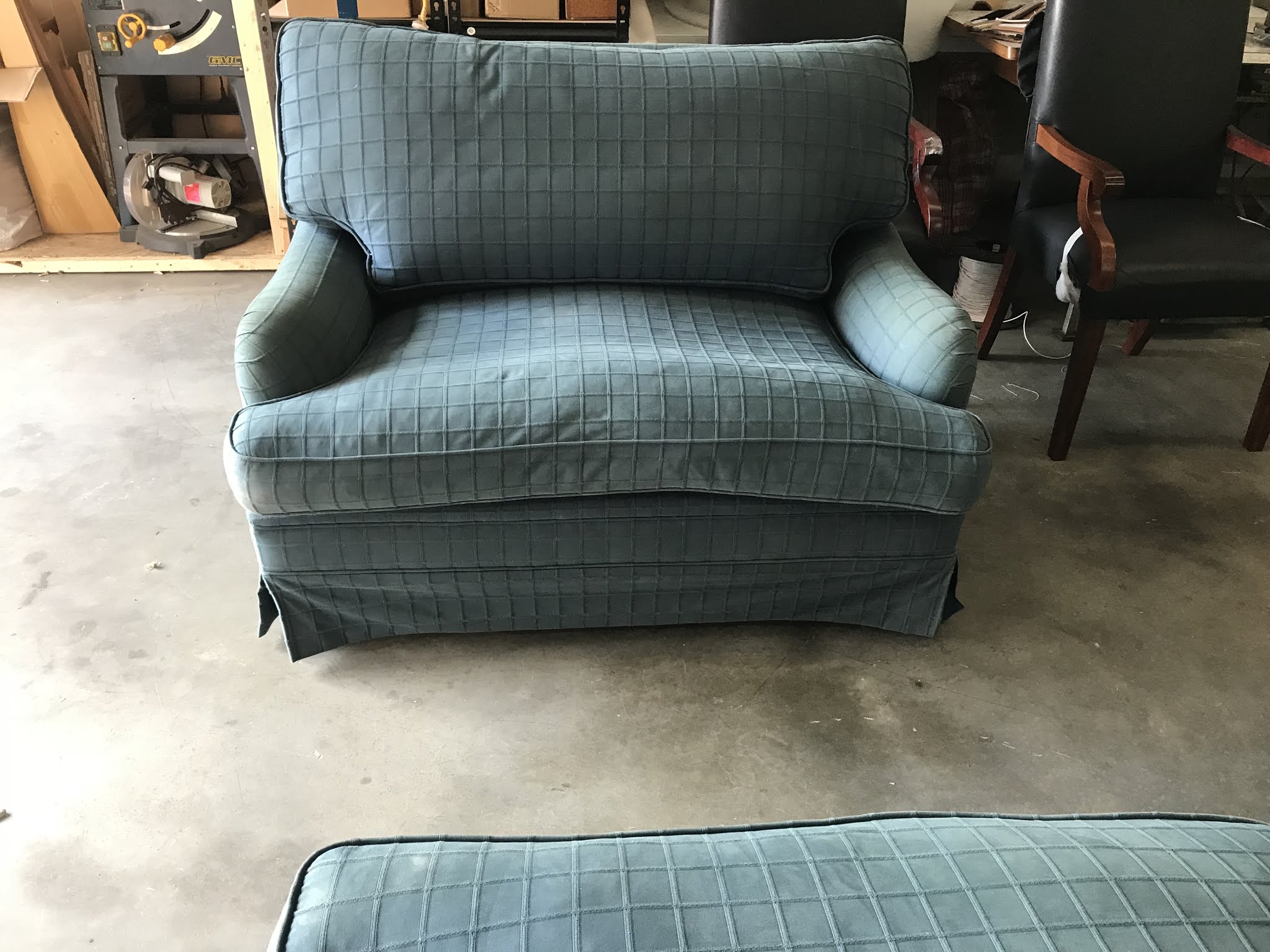
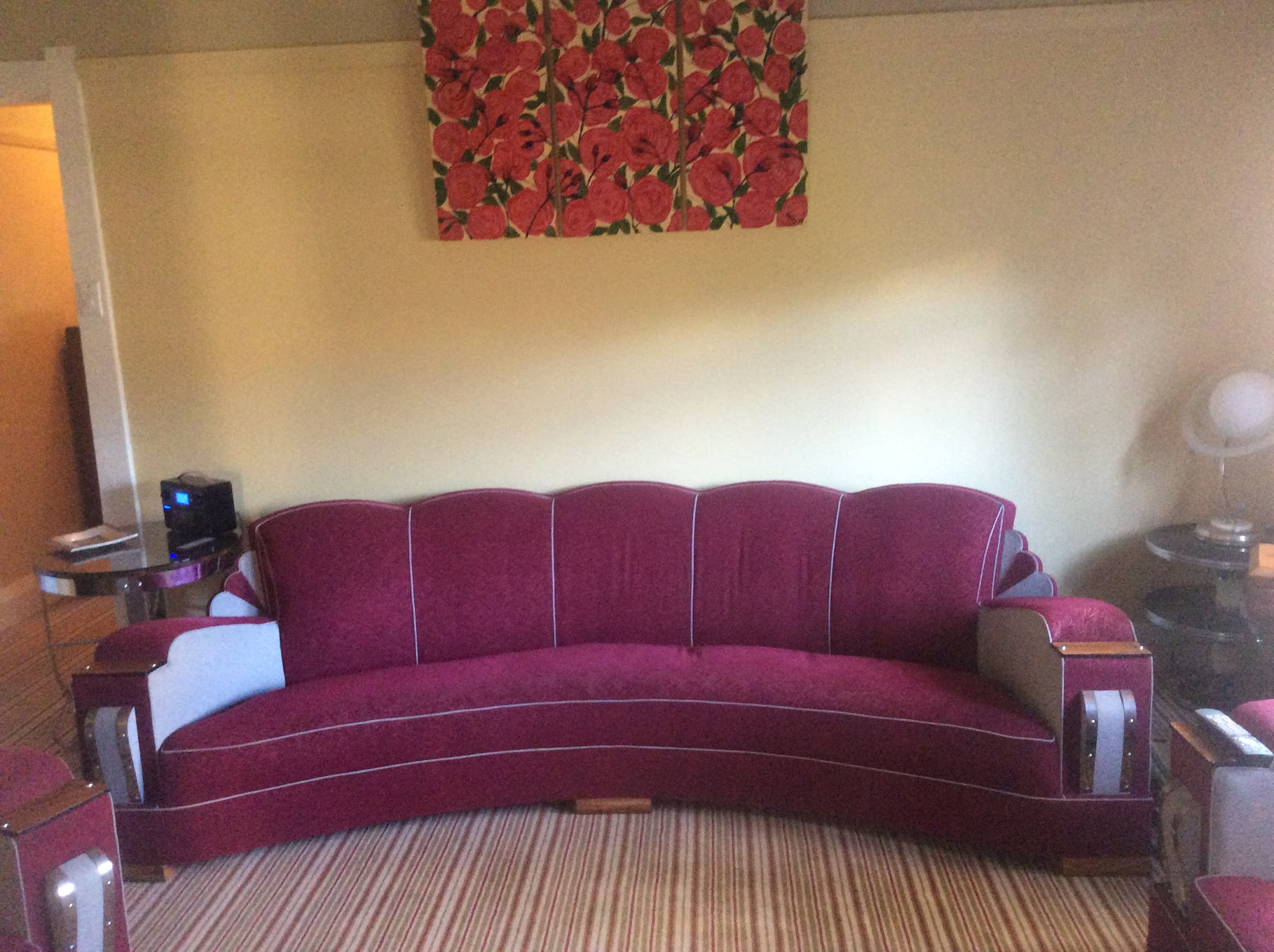
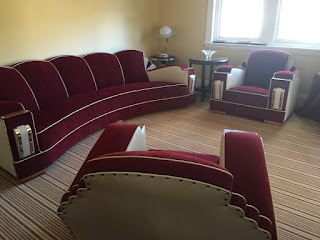
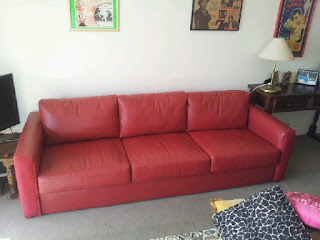
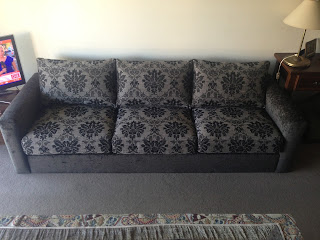
    Below are a few before and after photo’s of a recent job where we had to re-spring the seats, re-pad, and we had the metal strips on the arms nickel-plated and cup holders on arms re-polished with black trim as per original.
    The 5-seater sofa was far to big for us to carry up and down the customers stairs so the customer organised the pick up and delivery with a removalist he has known for several years and were the ones who got the furniture up to the apartment when first moved in.

                                                      5-SEATER CLUB LOUNGE BEFORE

                                                                   
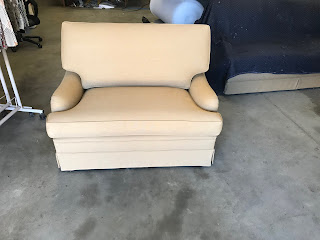
                                                                CLUB CHAIR BEFORE

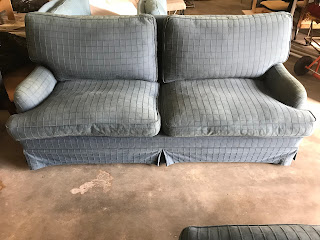
                                                      3-PC CLUB LOUNGE SUITE AFTER

  • TYPES OF WOOD USED IN  ANTIQUE FURNITURE

    TYPES OF WOOD USED IN ANTIQUE FURNITURE

    TYPES OF WOOD USED IN  ANTIQUE FURNITURE

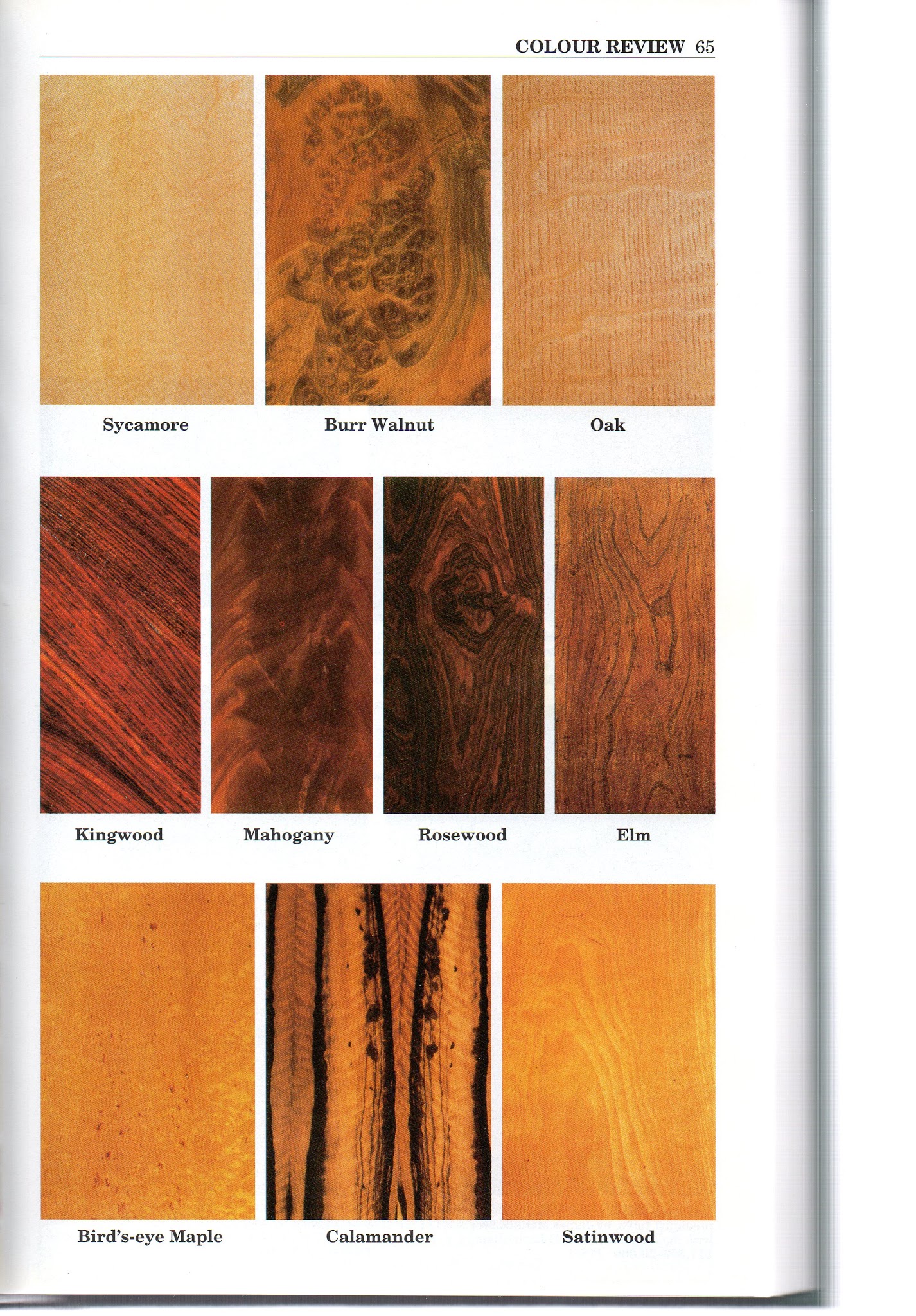
    Our customers sometimes ask what type of wood is used in a particular piece of furniture they may have so figured it may be a good idea for a blog post to give a quick over-view of the different types of wood used to make what is now antique furniture, whether it be for chairs, settees, dining chairs or cabinets and tables etc.
    Below are some of the main wood types used:
    Sycamore
    Sycamore is a European wood related to the North American
    maple, and is as strong as oak. It is hard, milky-white, with a fine even grain
    with natural lustre. In medieval times furniture was made in solid sycamore,
    and from the late 17th century it was used in floral marquetry on walnut
    furniture.
    When quarter-sawn the figuring is known as fiddleback, as it
    was often used in the manufacture of violins. Sycamore treated with iron oxide
    or stained green or grey was known as harewood.
    Burr Walnut
    Burr walnut is the term used for walnut with knotty whorls
    in the grain where injuries occured on the trunk or roots of the tree. It was
    often used in decorative veneers. Walnut is a close-grained hardwood, the colour
    varying between light golden brown to dark grey-brown in colour with dark
    streaks, often with a rich grain pattern.
    Oak
    Oak is a slow-growing tree, taking between 150 and 200 years
    to reach maturity. The wood is hard and pale in colour, but darkens to a rich
    brown with age and polishing. Furniture made from oak is usually heavy and
    solid, and simple in design. From the middle of the 17th century oak was used
    mainly for the carcases of furniture and drawer linings, but became popular
    again in the late 19th century with the Arts and Crafts movement.
    Kingwood
    Kingwood is related to rosewood, which was first imported to
    Britain from Brazil in the late 17th century. It is a rich brown with purplish
    tones, giving it an alternative name of violet wood. Also known as princewood,
    it was used as a veneer or for parquetry decoration,
    particularly in France.
    From c1770 it was used for crossbanding and borders.
    Mahogany
    Mahogany is a close grained hardwood, native to northern and
    central South America and the West Indies. It varies in colour from dark brown
    to red, and sometimes has a spotted effect. As the girth of the tree is broad,
    furniture makers were able to use a single cut of wood for a table-top.
    Furniture made from mahogany became very popular with cabinet-makers in Britain
    from the middle of the 18th century, followed by France and the rest of Europe.
    African mahogany, which is lighter in weight, was used from the 1800s onwards.
    Elm
    The English variety of elm is hard and durable, but liable
    to warp, and prone to woodworm. Chairs were made from elm from the Georgian
    period, and the seats of Windsor chairs were elm from the 18th century. The
    wych elm has a particularly attractive grain and polishes well. Burr elm was
    used for veneers and cabinet-work in the early 18th century.
    Bird’s-eye Maple
    Bird’s-eye maple, or American sugar maple, describes the
    very attractive figuring in maple. It was popular for veneers during the
    Regency period, and was also used in Victorian and Edwardian bedroom suites.
    The wood of the maple is whitish, and responds well to polishing. Bird’s-eye
    maple is also popular today for picture frames.
    Calamander
    Calamander is a member of the ebony family and derives from
    Ceylon. Popular in the Regency period, it is light brown in colour, striped and
    mottled with black, and was used for veneers and banding. Calamander was also
    used in the manufacture of small decorative boxes. Ebony is close-grained,
    black in colour, and is resistant to decay.
    Satinwood
    West Indian satinwood was widely used c1770, and the paler
    East Indian variety became popular in the early 19th century. It was used
    widely for veneers and inlaid decoration, and the pale colour made it
    particularly suitable for painting. The grain varies from plain to rich
    figuring, the latter having a more transparent grain under polish or varnish.
    Cabinet makers of the 19th century preferred the West Indian variety, which was
    imported from Guyana some years before the East Indian variety, and was used as
    veneer in fine furniture from c1765. It was rarely used in the solid, and not
    for chairs until c1800. The Eastern type, imported from Ceylon late in the 18th
    century, was pale yellow and used mainly for crossbanding.
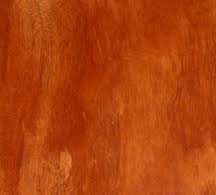
    Rosewood
    Rosewood is a hardwood native to South-East Asia, Papua New
    Guinea, the Solomon Islands, Sabah, Philippines, Indonesia and Malaysia. Some
    trees of the species grow very highly figured burrs, which are given the name
    ‘Ambonya wood’ from the Indonesian island of Ambon, and in veneer form are used
    in the making of furniture. Other uses of the wood include turnery, paneling,
    guitar-making, and knife handles. 
    IMAGES OF THE ABOVE WOOD’S
                                 Rosewood
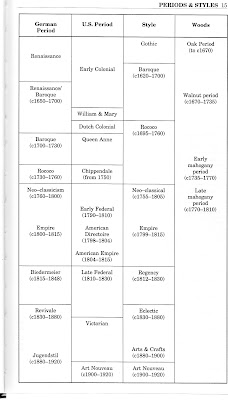
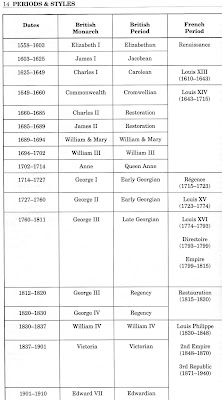
    Whilst on the subject of antique furniture it may also interest you to learn about their periods and styles.
    See the two images below:
    Hopefully you have found this useful
    Visit www.cover-it.com.au for any antique furniture re-upholstery you require.
    WE SERVICE THE FOLLOWING AREAS:
    Inner West (2037-2050)
    Lower North Shore (2060 – 2090)
    Upper North Shore (2070-2087)
    Northern Beaches (2092-2107)
    Gladesville-Ryde-Eastwood (2110-2126)
    Western Suburbs (2127-2148)
    Parramatta-Hills District (2150 – 2159)
    South Western Suburbs (2160-2214)
    St George (2216-2227)
    Sutherland Shire (2228-2234)
    Sydney CBD (2000-2016)

  • Cover It Upholstery Sydney – recent testimonials

    Cover It Upholstery Sydney – recent testimonials

    Cover It Upholstery Sydney – recent testimonials
    Hi Marcel – thanks so much for the beautiful job on our lounge,
    we’re both thrilled with how it looks and with the professional service you
    provided. We spent so long looking to buy a new lounge but we reckon our
    re-upholstered lounge is far better than any new lounge.
    thanks again
    Kind regards
    Pauline and Doug.
    Dear
    Marcel,
    Just
    wanted to thank you for a fantastic job with the cushion and the great turn
    around for the job. Definitely be passing on your contact to colleagues.
    cheers
    Lena
    Teo
    Hi Marcel!
    Thank you so much for the work! My clients love it!!!!
    Cross fingers they will also want to do their couches!
    Best wishes!
    Ann
    Below are a couple of things fabric suppliers point out to the upholsterer to be aware of. 
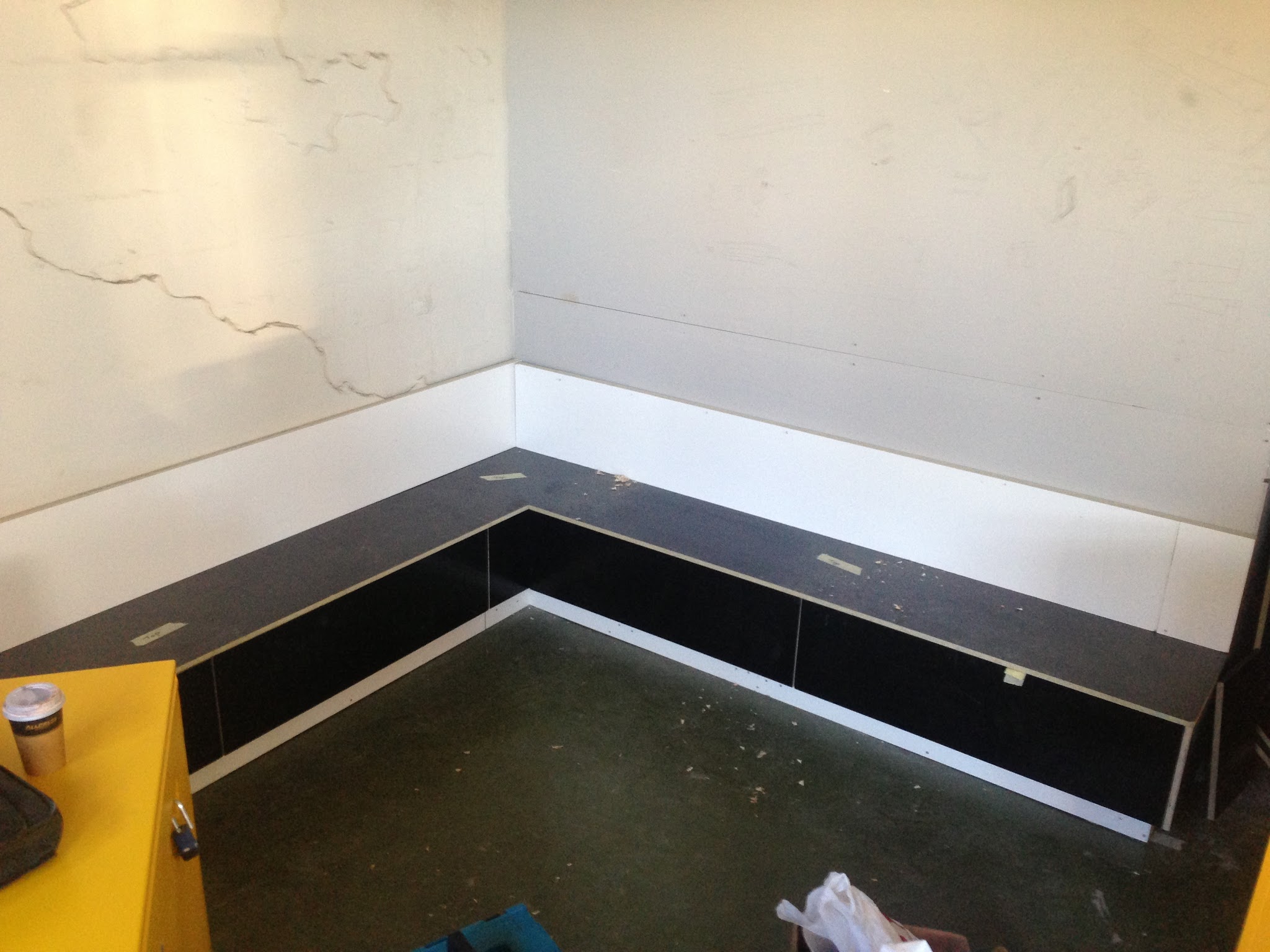
    The seam allowance stuff is standard and most upholsterers would adhere to this, although overlocking may not always be done where it should. The point about a layer of Dacron or calico however is where a lot of upholsterers would not bother, even though this is a crucial step that does not take a lot more time and effort to do but will make a huge difference in the wear of the fabric. There is another type of seating where we do this for a different reason as explained below the bench photo’s.
    At Cover It Upholstery Sydney we always make sure the work is done the best way possible to maximize quality and wear.
    Seam Slippage Prevention
    It is the responsibility of the furniture
    manufacturer/upholsterer to employ a
    seam construction, needle type and
    sewing thread which is appropriate for
    the fabric and furniture design. Different
    fabrics for the same design of furniture
    may result in varied seam constructions,
    different seam tension areas also require
    different seam strengths. The rupture of
    a seam due to seam slippage is generally
    not a fabric fault. A minimum of 10 to
    12 seam stitches per inch (25mm) is
    required along with a minimum of
    13mm seam allowance. It is
    recommended that the seam of any
    woven fabric which is liable to fraying
    be overlocked or otherwise secured.
    In some instances additional
    strengthening of high load seams may
    be required. This must be done at the
    manufacturers discretion after testing
    individual fabrics.
    Pile Loss
    It is recommended that pile fabrics
    such
    as velvets and some chenille’s are
    not
    upholstered directly on to foam
    surfaces.
    It is advised all high wear areas are
    covered by Dacron or calico to
    prevent
    pile loss due to friction between the
    foam and the fabric.
    Manufacturers
    Responsibility
    All care is taken when selecting fabric
    qualities for the Australian market.
    To eliminate problems such as seam
    slippage and loss of fibres from pile
    fabrics (we suggest to follow these steps).
    COMMERCIAL UPHOLSTERY

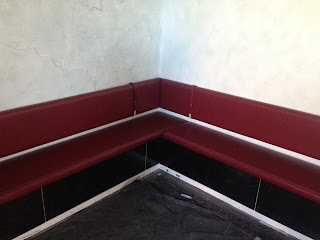
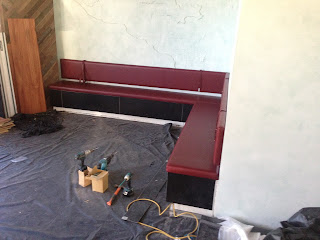
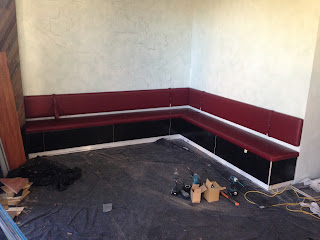
    By putting a layer of calico around the foam on the above bench seating we ensure that when a person gets up off the seat the vinyl springs back to shape, rather than leaving a wrinkled area due to the foam gripping the vinyl backing. 
    DOMESTIC UPHOLSTERY

  • Bonded or By-Cast “Leather” vs. Genuine Leather

    Bonded or By-Cast “Leather” vs. Genuine Leather

    Bonded or By-Cast “Leather” vs.
    Genuine Leather – What’s the Difference?
    Having a nice-looking sofa gives one a feeling of pride and
    accomplishment, and nothing is a better example of a grown-up piece of
    furniture than a new leather lounge suite
    But you should know that not all leather couches are created equal,
    and sofas made of bonded or by-cast leather are a prime example of
    true furniture inequality.
    What’s the difference between these leathers and genuine leather you
    ask?
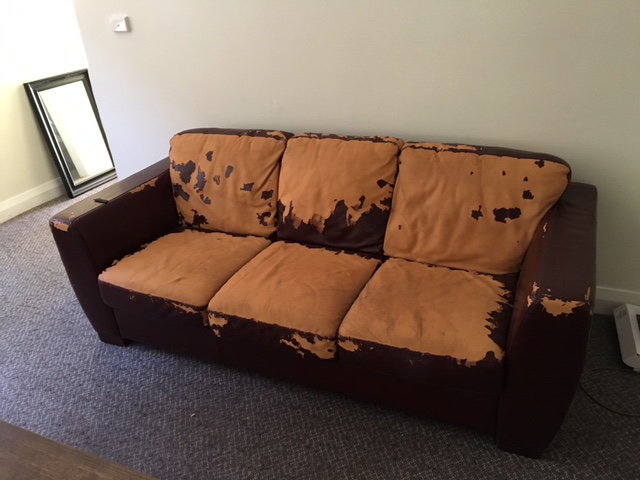
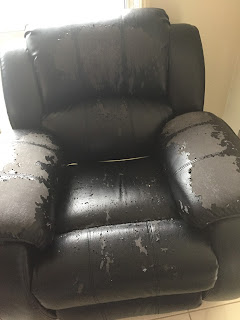
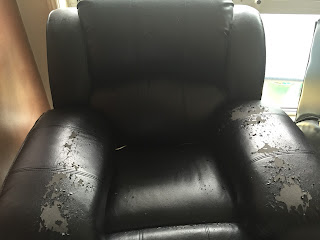
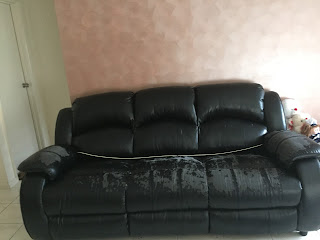
    Bonded or by-cast leather is not the whole skin of an animal, but
    left-over pieces of hide blended together to form a seamless piece of
    leather material and coated with a thin man-made layer which will peel off
    (de-laminate).
    Genuine leather is made from entire pieces of animal hide and
    costs much more than items made with the bonded material. It’s hard to tell the
    difference between the two, as once an item is made with bonded leather the
    appearance and smell are nearly identical.
    Manufacturers will use many types of coats and permanent polishes
    to make bonded leather appear to be the real deal.
    Bonded leather can be quite useful though. It gives books a fancier
    appearance, it makes cheap belts look expensive, and it adds a sophisticated
    touch to any piece of office furniture. The bad part is that bonded leather is
    horrible for home sofas. It’s also inexpensive and is often made of recycled
    materials.
    Plenty of consumers are attracted to the lower cost of a bonded leather
    couch and they’re not scared away because bonded leather seems like real
    leather, but should in fact not be sold as such, but unfortunately often is.
    Another trick by the manufacturers is to only use it on the cushion and
    arm tops, basically all the surfaces that to touch when sitting, the rest is
    often vinyl.
    Durability difference
    Many are sadly surprised when they realize the true difference
    between bonded and genuine leather is its durability, and plenty
    of retailers leave this important detail out just to close the sale.
    Although the entire couch isn’t made of bonded material, one could
    easily mistake it for a leather sofa.
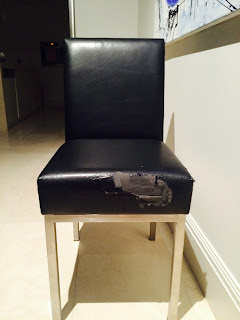
    You’re better off buying good leather furniture. Don’t buy one. It’s a
    leather backing with a man-made vinyl surface which WILL peel.
    Many furniture companies fail to tell consumers their bonded leather
    sofas actually contain very small amounts of real leather, as the percentage of
    actual animal hide can differ depending on the retailer or manufacturer.
    Many people say they have been duped by purchasing bonded leather
    furniture. 
    Bonded leather or reconstituted leather is not really a true leather but
    a man-made material.
    Couches that are made of bonded leather are harder and more expensive to
    repair and because they were so cheap to buy would cost more than the purchase
    price if it were to be recovered with genuine leather.
    It may not be worth fixing a bonded leather sofa.
    If you’re able to be patient and save the necessary funds for a genuine
    leather couch do so, especially if a leather sofa is what your heart truly
    desires. Don’t waste your money on this type of rubbish, it will only look good
    for a short time.