Category: We service all suburbs of Sydney

  • Choosing an upholsterer

    Choosing an upholsterer

    Choosing an upholsterer

    This article taken from Habitat Magazine, written by Deirdre Coleman, highlights some of the key reasons it makes sense to recover your furniture rather than buy new when the furniture you own is of good quality and/or has sentimental value.


    But choose your upholsterer wisely as many will not do the work that is necessary.
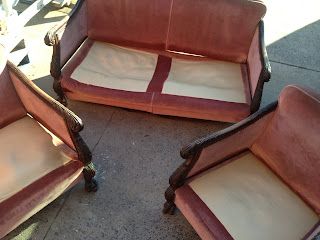
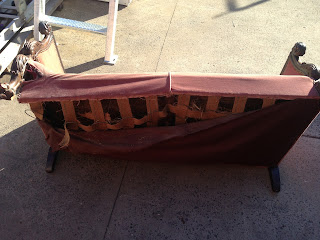
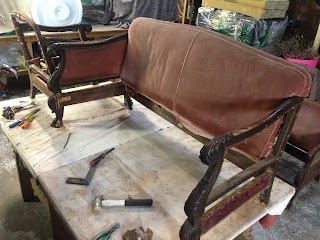
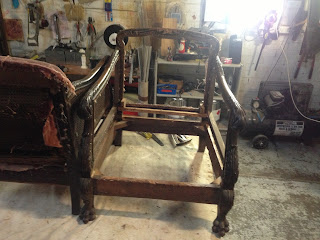
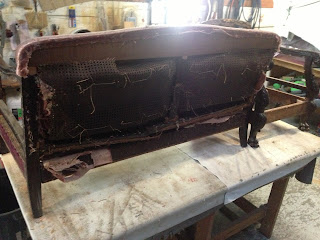
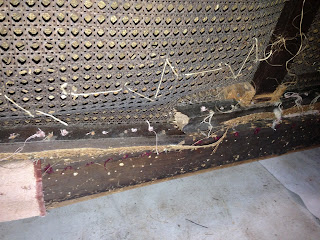
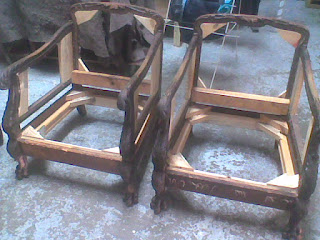
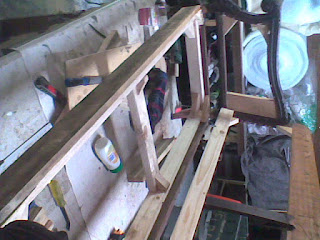
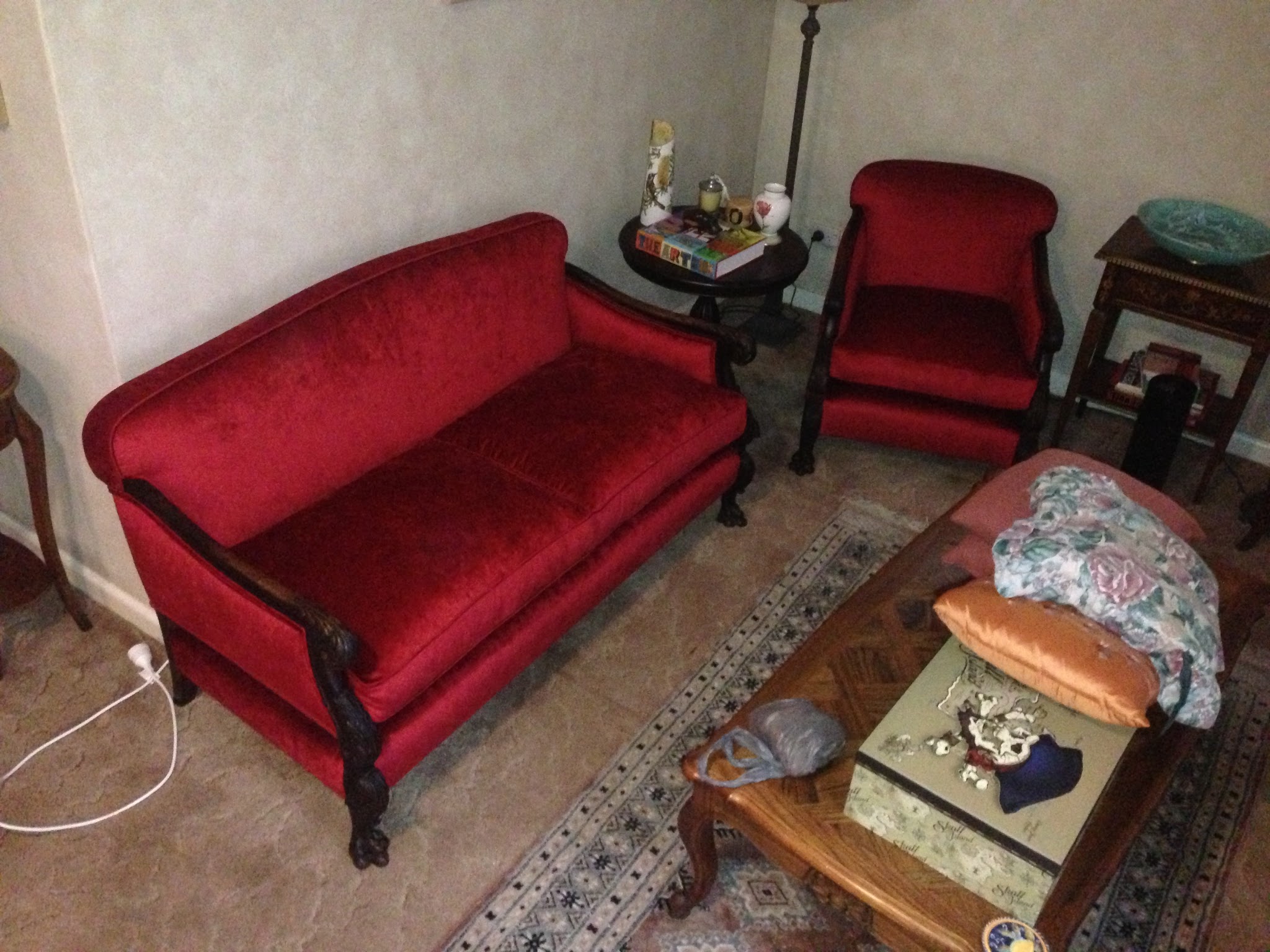
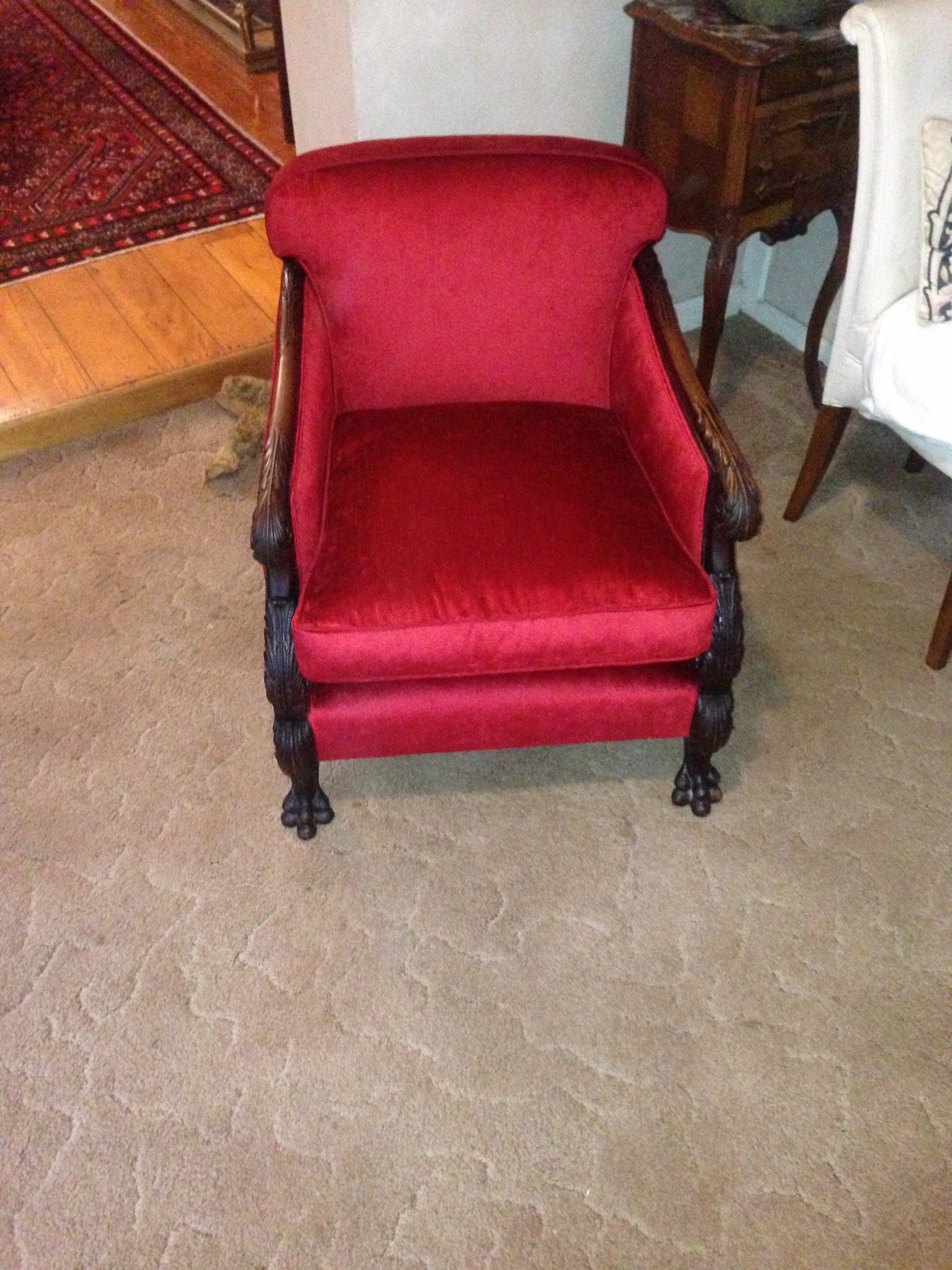
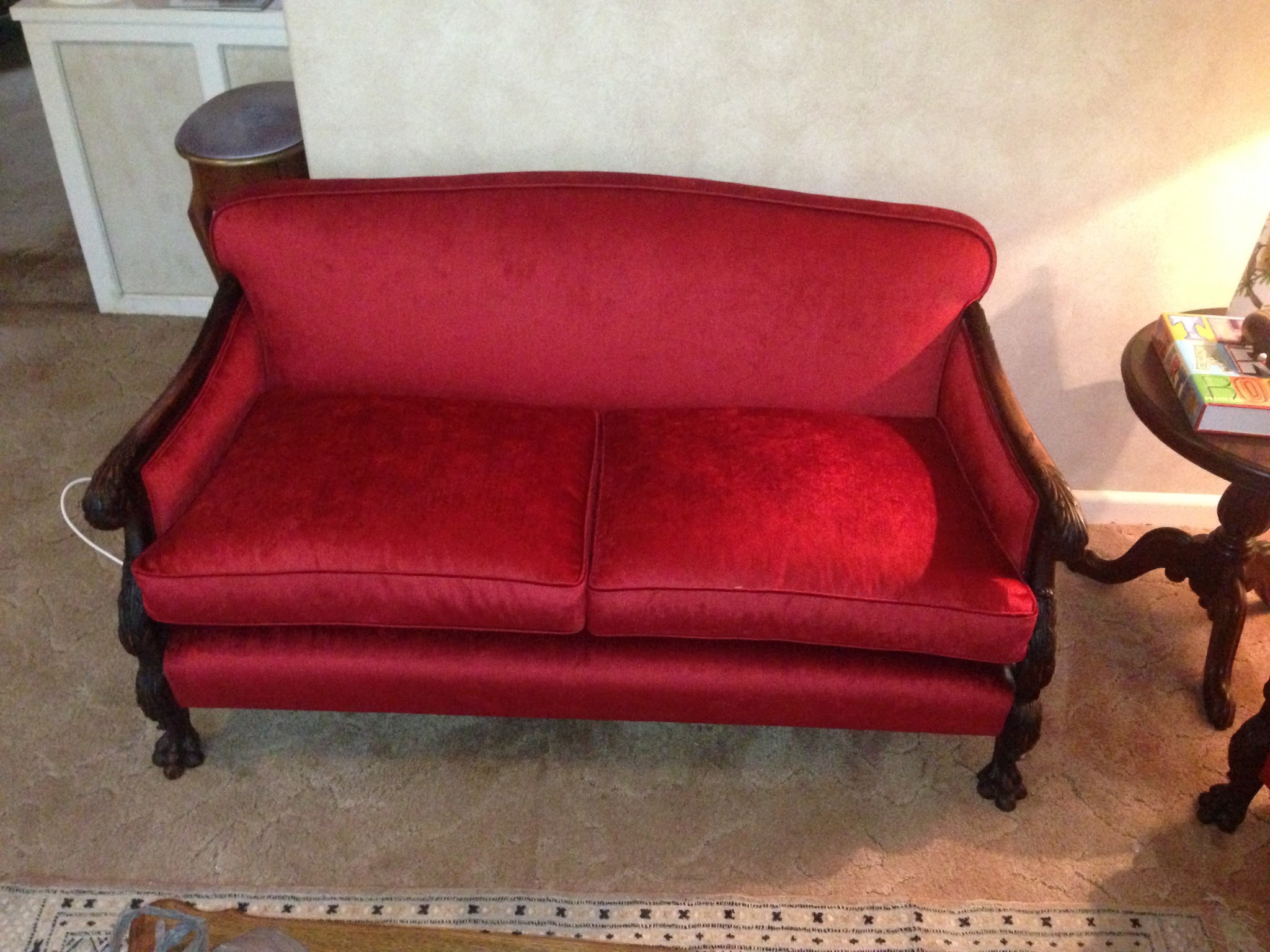
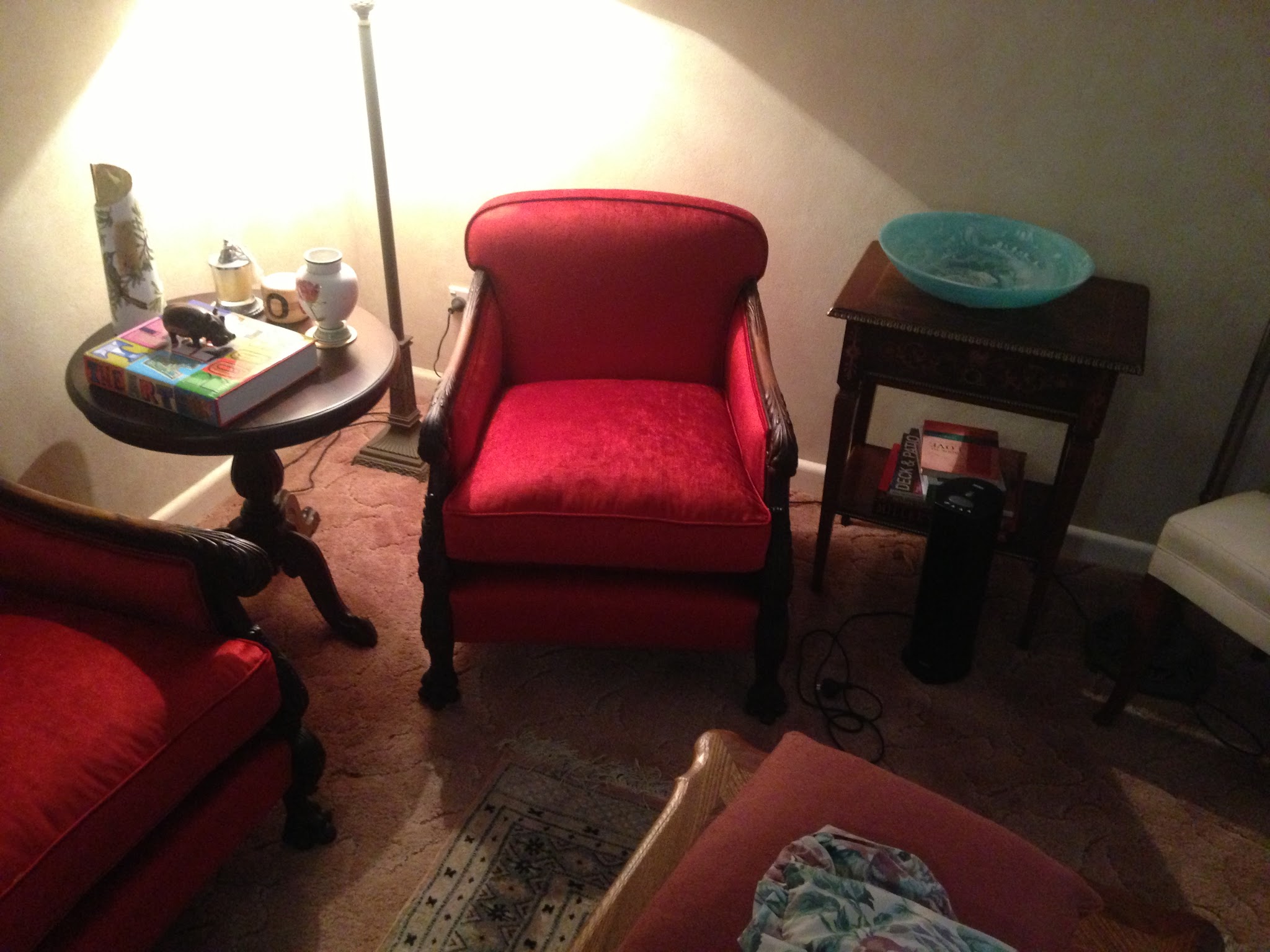
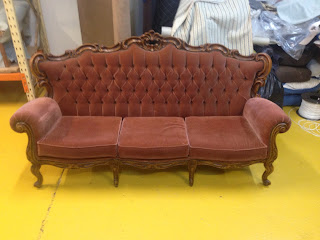
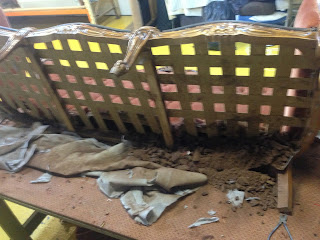
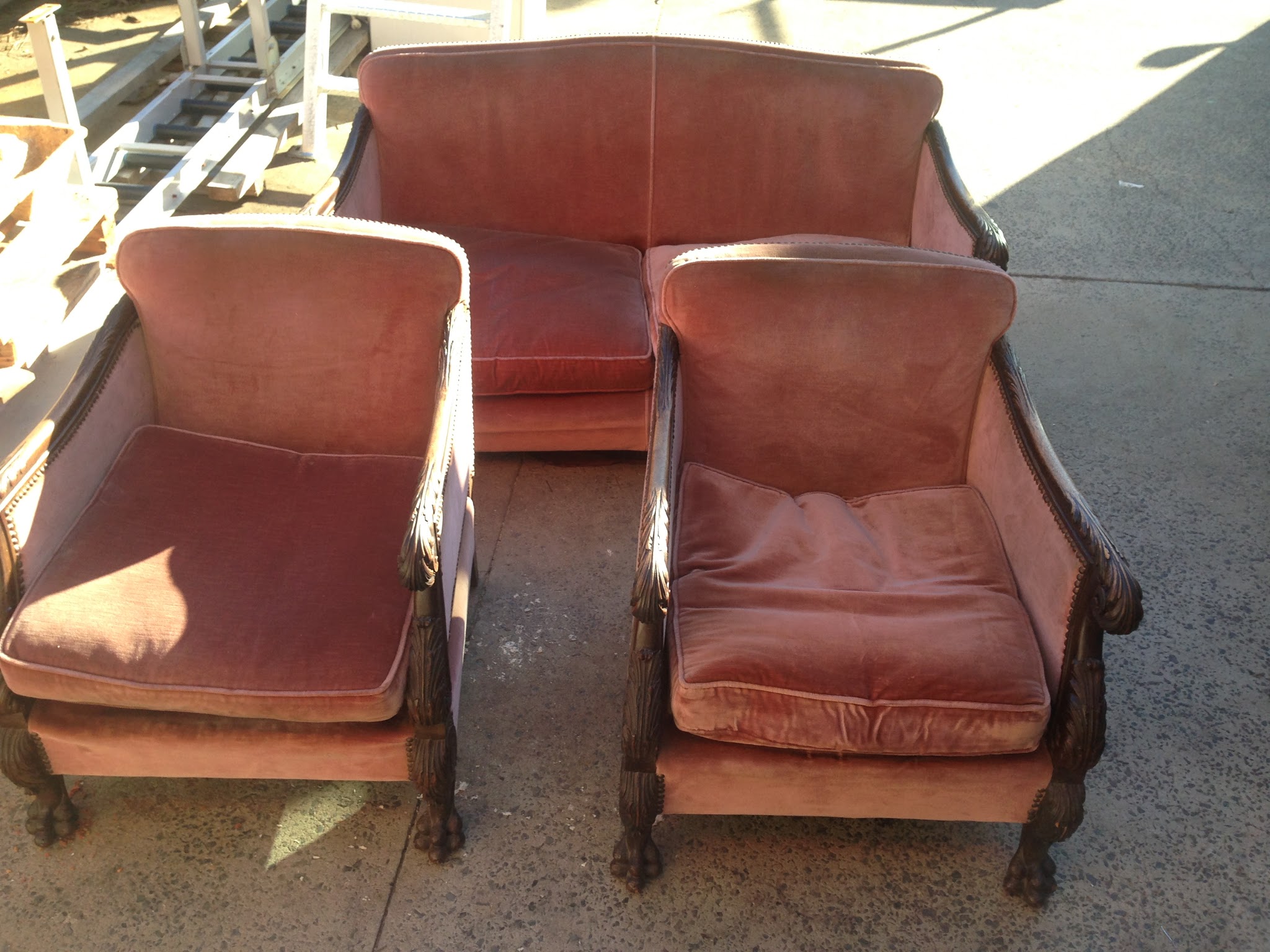
    Below this article are before and after photos of a lounge suite Cover It Upholstery Sydney restored recently and will show the extent of the work that was required.

    When it comes to furniture, it seems we’re
    finally waking up to the insanity of buying
    something only to toss it out the moment
    it starts to look a bit shabby or outdated.
    Retro and antique furniture, and even pieces
    that are a couple of decades old, are finding
    new favour with design-savvy homeowners
    who see past the faded fabric and worn
    springs to the treasure beneath.
    “There’s a lot more interest now in
    refurbishing existing furniture,” says Mark
    Waters from Upholstery Craftsman. “Some
    people have been burned by buying cheap
    imported pieces, and are starting to see the
    value in quality second-hand purchases.”
    His Wellington-based boutique upholstery
    business specialises in restoring older pieces,
    repairing timber frames and replacing springs
    and wadding, as well as re-upholstering and
    alterations. Waters receives regular enquiries
    from would-be bidders on online auctions,
    asking for quotes to repair a couch, dresser
    or other item of pre-loved furniture.
    Classic furniture “like Parker Knoll, Cintique
    and Don furniture is good quality and very
    popular because it suits everything from
    apartments to bungalows,” he says. “People
    are realising that it doesn’t take a lot to redo
    this ‘50s to ‘70s furniture, and that you
    end up with something pretty groovy.”
    So how do you know if the piece you have is
    worth restoring? According to the experts,
    quality, age, good design and sentimental
    value are the key indicators. If you have
    something that’s well made, unusual or has
    sentimental value, then it makes sense to
    have it reupholstered and restored.
    “An old piece with a good frame that has
    borer has far more integrity – when the borer
    riddled wood is replaced – than some of the
    modern imported furniture we see today,”
    says Waters. “Anything can be repaired.”
    For Garth Clarke from Dunbar Furniture
    Restorations in Auckland, restoring retro
    ‘60s and ‘70s pieces is an everyday job. He
    sees a lot of empty-nesters who’ve had their
    dining suite for 30 years and now want
    to make it presentable again. With items
    like this, he says, it’s generally cheaper to
    refurbish something than to replace it with
    something of the same quality.
    “A good rimu dining suite will cost you
    around $6000, but having one refurbished
    might only cost $2000,” explains Clarke.
    “If it’s 20-plus years old and still structurally
    sound, it’s worth doing. You get what you
    pay for, so if it was expensive when it was first
    bought, it’s worth keeping. And anything
    made from native timber would definitely
    be worth holding onto and restoring.”
    Clarke recently worked on a 150-year-old
    Welsh dresser for a client. Water spilt on
    the top had bleached out the colour and
    removed the old French polish. Rather than
    stripping the entire top, he was able to
    carefully sand and stain the damaged area,
    retaining the original surrounding patina
    and enhancing the dresser’s value.
    However, like all good craftspeople, Clarke
    isn’t afraid to give advice when required.
    While something as simple as changing the
    upholstery on a chair can visually transform
    it, much more can be achieved. A good
    upholsterer or furniture restorer can update
    the style of a piece of furniture, or customise
    it to suit your needs.
    They can change the feet, remove a skirt on a
    sofa or chair, raise or lower the legs and back,
    re-web chair bases and adjust the composition
    of cushion filling to provide added comfort
    and support, and even shrink or extend
    couches. Details such as piping, buttoning
    and diamond pleating can also be added, and
    timber lacquered, stained or polished.
    With collectible and antique pieces, it pays to
    invest in traditional restoration by someone
    who knows what they’re doing, advises
    Mark Waters. “A 1920s settee that’s in
    original condition will take around 40 hours
    to rebuild, as it’s all hand done,” he says.
    “We rebuild pieces the way they were, using
    things like horse hair and reed stuffing, and
    where possible, we try to use environmentally
    friendly products like recycled cotton, spun
    flax and hessian cloth.”
    Irrespective of the value and heritage of
    your furniture, it’s important to have good
    rapport with your craftsperson and to clearly
    communicate your needs and expectations.
    The end result will be obvious each time you
    admire your ‘new’ treasure.
  • COVER IT UPHOLSTERY SYDNEY CARE & RESTORATION OF TIMBER FURNITURE

    COVER IT UPHOLSTERY SYDNEY CARE & RESTORATION OF TIMBER FURNITURE

    CARE & RESTORATION OF TIMBER FURNITURE – prt1

    During the 18th and early 19th century nearly all antique
    furniture was made to order, and consequently great care was taken in the
    selection of timbers and veneers as well as the quality of workmanship of the
    cabinet-maker, carver and gilder. It is testament to the excellence of all
    those involved that so many pieces have survived the test of time and have been
    either inherited or bought by successive generations. The following suggestions
    should enable current owners to preserve, and even improve, the appearance of
    such pieces for the next generation. One of the most important aspects to
    furniture is that of patination. Patination is the name given to the build-up
    of wax, grease and dust that, when combined over a period of many years, gives
    the timber a ‘skin’ and can be described as the furniture’s history in its
    surface and is therefore very desirable. Waxing To keep and improve patination,
    furniture should be waxed with a natural wax-based polish product (never a
    silicon-based one) no more than once a month. More frequent waxing is actually
    counter-productive as wax will soften previous layers and, if frequently
    applied, the furniture will take on a smeared appearance. The best technique is
    to apply a thin layer of wax, allow it to stand for a short while and then
    burnish with a soft, clean cloth. Always rub in the direction of the grain and,
    if leaning over a dining table or other large piece of furniture, pay attention
    to belt buckles, rings or buttons which may scratch the surface. A mixture of
    vinegar and water should never be used to clean the surface as the vinegar acts
    as a solvent and can remove generations of patination in a matter of minutes.
    It is essential to place mats on the furniture before putting hot or cold
    dishes on to polished surfaces, and cold water in a flower vase can reduce the
    temperature of the polish and produce a white ‘chill’ mark. As with any surface
    damage, such a mark needs the specialist’s hand. A French polished surface is
    made up of many layers of shellac polish which has been applied with a ‘rubber’
    — a linen cloth enclosing a wadding material inside. The ‘rubber’ is coated
    with shellac polish which is applied with the aid. of linseed. An area no
    bigger than a finger-nail is actually in contact with the surface, and thus numerous
    thin coats are built up over a period of time that enhance the grain and colour
    of the timber. When water damage or the like occurs, if the polish and not the
    timber has been affected, a skilled polisher can remove one layer of polish at
    a time until he reaches the undamaged surface. He will then carefully reapply
    polish to the localised area, binding
    it to the original untouched areas, thus eradicating the
    water mark etc. Such a technique takes many years of training and application,
    and should never be attempted by a novice as inexperience could result in a
    dark area which actually looks worse than the original water mark. The cleaning
    of brasses is very much a case of personal taste. Some people like brass
    handles to develop a bronzed patination and therefore will never clean them,
    whilst others will clean handles until they shine like soldiers’ buttons. I
    prefer the middle ground. with only the highlights being cleaned, and leaving a
    natural build-up of wax around the backplates and knobs. Should traces of
    original lacquer or fire gilding be in evidence use just a damp cloth to
    lightly wipe them when required. A wadding cleaner is best used when cleaning
    handles as a liquid spillage on a patinated surface will once again remove all
    traces of patination. Gilding Great care must be taken with gilt furniture and
    mirrors. Their are two types of gilding, water and oil. Water appears more
    yellow in tone than the deeper orange gold of oil gilt. Most English 18th and
    19th century furniture was water gilded. Layers of gesso (plaster) were applied
    to the carved wooden base and then ‘recut’ to redefine the carved decoration. A
    liquid clay base, or bole, was then applied and gold leaf laid upon it. The
    final tone was achieved by burnishing the gold leaf. With oil gilding, the
    gesso was applied with an oil size to which the gold leaf then stuck. Oil
    gilding was not frequently used on English furniture.

    A Regency gilt overmantel mirror, which had been attacked by
    damp, in the process of being restored. It is not a good idea to try and clean
    gilt as if water is applied to it the gold will wash off and expose the
    coloured bole beneath. Seek specialist advice from a qualified gilder and
    liaise closely with him or her to agree the finish, as this can differ from workshop
    to workshop. Ask to see various examples of work and decide how bright you wish
    your restored piece to be.
    AN EXAMPLE OF GOLD GILDING
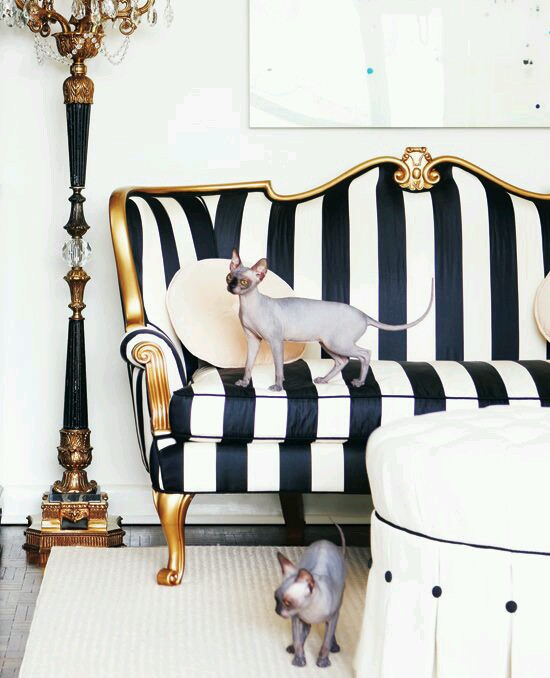
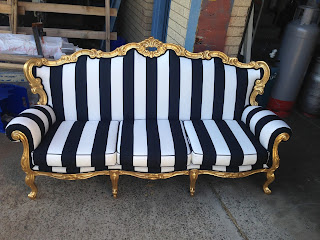
    Recently we were asked to restore an old Italian 3-seater. Gold gilding was applied to the frame before being upholstered.
    This photo is what inspired our customer
    The following are a few before and after photo’s of our customer’s 3-seater.
    The black and white striped fabric used was from Warwick Fabrics called Welland Ebony.

    (more…)

  • Fabric Care and Cleaning

    Fabric
    Care and Cleaning

    We get asked about this often by our customers so think it may be helpful to post this.

    The below advise is from one of our fabric suppliers, Warwick Fabrics, and is offered in good faith and you should always consult a professional cleaning company.
      
    Alcoholic
    Beverages
     After
    the moisture has been blotted up, dab at the stain with a clean cloth dampened
    in rubbing alcohol. Then blot repeatedly with liquid detergent mixed with cool
    water. Blot dry with a towel. Dab again with clear cool water and blot dry.
    Blood
     Mix one
    teaspoon of ammonia in a cup of cold water and apply it sparingly to the spot.
    Blot with a clean towel. Repeat the procedure until the spot is gone. Then dab
    the area with cool water and blot. Wait 15 minutes and moisten the area again
    with white distilled vinegar. Blot thoroughly with a dry towel.
    Chenille
    Yarn Fabrics
    Shampoo cleaning or hot-water extraction,
    taking care to restore the pile orientation in finishing will produce a
    satisfactory result. Care must be taken not to undertake concentrated rubbing
    on a small area, which may produce irreversible disruption of the chenille
    fibre. It should be noted that even the simple act of wetting the fabric is
    likely to produce an appearance change even if the chenille fibre is not
    disrupted. This is largely due to flattening of the chenille fibre while it is
    wet and may result in a ‘dappled’ or ‘mottled’ surface. Warning: Some high pile
    viscose rayon chenilles, velvets and pocket weave jacquards may change in
    surface character if stain repellent treatments are applied. Extra care should
    be taken to pre-test for these fabrics.
     Chewing Gum
     Rub an
    ice cube over the gum to harden it, then scrape off the excess with a dull
    knife. To remove what’s left, use dry cleaning fluid. Chocolate and other soft
    candy) This is a .combination greasy/non-greasy stain. Scrape excess away, then
    go over the spot with cool water mixed with a liquid detergent. Blot thoroughly
    and then clean with dry cleaning fluid.
    Coffee
    and Tea
    Sponge with warm water. Apply warm glycerine.
    Leave for 30 minutes. Flush out with water and dry quickly.
    Cosmetics
     Sponge
    with warm water. Apply warm glycerine. Leave for 30 minutes. Flush out with
    water and dry quickly.
    Fruit
    and Fruit Juices
     After
    excess is blotted up or scraped away, blot the spot with cool water. If a stain
    remains, add liquid detergent and a drop of vinegar to the water. Dab the spot
    with this mixture and blot until there’s no trace of a stain. Then go over the
    area lightly with clear water to remove traces of vinegar.
    Grease
    (including hair grease and oil)
    Scrape away
    excess if necessary and then dab repeatedly at the stain with dry cleaning
    fluid. If any stain remains, go over the area with a lukewarm mixture of liquid
    detergent and water. Always make sure you use a clean portion so you don’t put
    the stain back in the fabric. Last, go over the area with a clean cloth
    moistened with cool clear water.
    Ice
    Cream
     Scrape
    away excess and apply cool water mixed with liquid detergent, blotting
    frequently with a dry cloth so as not to saturate the fabric. Let dry and then
    go over any remaining stain with dry cleaning fluid. Blot dry.
    Ink
    Moisten with warm glycerine. Leave for 10
    minutes. Apply liquid detergent and brush lightly. Flush out with water and dry
    quickly.
    Iodine
     Rub
    with cut lemon before sponging with warm water. Apply small quantity of
    detergent with clean cloth. Blot stain then remove soapy residue with cloth
    wrung cut in warm water and white vinegar solution (1/3 vinegar to 2/3 water).
    Milk
    and Vomit
     Blot or
    scrape away the excess, then take a clean soft cloth and blot. Apply clear cool
    water to the area, blotting frequently. Then blot with a detergent solution to
    which you’ve added a small amount of ammonia. Blot dry and wait a few minutes.
    Go over the area with dry cleaning fluid, blot dry. Finally, blot the area
    lightly with a cloth moistened with rubbing alcohol.
     Professional Cleaning Frequency
    Is determined by the furniture use, your own
    maintenance, upkeep and environmental conditions. As a good ‘rule of thumb’ overall
    cleaning is recommended every 12 months for most family room lounges.

    Professional Fabric Servicing
    Warwick Fabrics recommend that water-based
    Fluro chemical’ type fabric protectors such as DuPont Teflon® and 3M
    Scotchgard®) be applied by licensed applicators only. Check your care label
    first to see if a mill-applied protection was incorporated during fabric
    manufacture. It is not necessary to apply an after-market protector over
    mill-applied protectors on new fabrics. Fabric protectors do not eliminate the
    need for vacuuming, routine cleaning or proper care. They will, however, make
    spot cleaning and vacuuming quicker, easier and more efficient between
    professional cleans and keep your fabric looking cleaner longer, as well as
    extending its life. Professionals applying fabric protectors must always pre-test
    to qualify fabric suitability.
    Shoe
    Polish
    Apply liquid paraffin to loosen the stain,
    then sponge with dry cleaning fluid. Soft Drinks, Sweets and Syrups Sponge with
    water, add warm glycerine and work into stain. Flush out with water and dry.
     Spot Cleaning
    Treat spills and stains as soon as possible.
    Test on hidden area to ensure fabric and colour are not removed. Gently scrape
    any soil or mop any liquid from the surface of the fabric. Use of soap or
    detergent with water should be approached with caution since overzealous
    rinsing to remove soap residue may result in over-wetting, water marking and
    possible wetting of substructure this may create other stains or damage
    products). Spot cleaning advice is offered in good
    faith and should not be considered as a guarantee that all stains may be
    removed. For severe stains please consult a professional upholstery cleaning
    company.
    1
    For Non Oil-Based Stains
    Use warm water and non-toilet soaps which do
    not contain optical brighteners (consider Velvet soap, Lux Flakes, Softly). Mix
    a small amount of soap and warm water solution and apply to the stain, rubbing
    gently. Blot dry with a clean towel. Apply cool water (preferably rain or
    distilled water) and blot dry again. Then with a hair dryer working out from
    the centre of the stain, dry quickly to prevent rings forming. It is generally
    preferable to clean whole panels of fabric in this way rather than trying to
    spot clean specific areas.
    2
    For Oil-Based Stains
     Following the same basic guidelines as above,
    apply a proprietary brand solvent based cleaner and try to clean generally in
    panels rather than spot cleaning specific areas. A helpful industry ‘secret’ is
    for spot removal of oil based biro marks by the application of a conventional
    hair spray.
    Urine
    It is especially important to treat this stain
    right away, before the urine dries. Otherwise, the urine may react with the
    fabric dyes and cause permanent discolouration. First, dab at the stain with a
    solution of white vinegar and water and blot dry. Then apply a mixture of
    liquid detergent and cool water, blotting frequently and with a dry cloth to
    avoid saturating the fabric. Finally, dab the spot with clear cool water and
    blot thoroughly.
    Velvet
    Curtain Care

     Curtaining velvet needs care in handling and
    use. Window fittings coming in contact with the curtain should be avoided.
    Stiff brushing or strong vacuum cleaning on the reverse side of velvet can also
    pull at the pile. Draw cords or other methods of drawing without handling the
    curtain itself are recommended, as grasping, particularly with fingernails, can
    cause crushing and other damage. Velvet curtains should be dry cleaned. Water
    Spots Blot thoroughly and then dampen the entire spot with clear white vinegar.
    Wait a few minutes. When the area is dry, moisten it again with clear water,
    blotting with a dry cloth after every application of the damp cloth. If the
    fabric has a pile, brush in the direction of the pile when it is dry.
  • FABRICSLEATHER

    FABRICSLEATHER


    FABRICS
    LEATHER

    Everyone
    visualizes the transforming effect of the fabric on a re-created sofa or chair.
    You could say the fabric “is part of the fun” of reupholstering.
    Fabric has character and personality. It speaks for your taste, your style. And
    in your own home, it can be as personal and individual as your signature.
    Fabric is
    also one of the two big costs in Re-upholstery (the other is labour). So it’s
    important to get good value as well as good fashion. The bigger the choice, the
    better the chance of finding a fabric that suits both your decor and your
    budget. This is where Re-upholstery gives you the benefit of rich variety and enormous
    volume. The selection is practically endless.
    There are literally thousands of samples to choose from,
    imported and domestic, when combining the resources of all the fabric
    suppliers, all in different grades of quality.
    How do you judge for wear?
    As a general rule, tightly-woven fabrics and fabrics that
    are heavy will stand up to wear and tear better, as will leather. Fabrics such
    as satins, brocades or damasks are more delicate, and should be reserved for
    places where they’ll get less use or for soft furnishings such as scatters.
    For example, one square inch of fabric with 8 or 10 thick
    threads doesn’t have the strength of one square inch densely packed with 30 to
    40 thin threads. To check a fabric yourself, hold it up to the light. The less
    light that shows through, the tighter the weave.
    The Australian standard for
    measuring the durability of fabrics uses the Martindale Rub Test to recommend
    the end-use of the fabric.
    Fibres also make a difference in wear. Natural fibres, like
    cotton, take colour differently from man-made fibbers. They can be richer, more
    subtle. While the man-mades have resilience and strength. That’s how the blends
    came into use. So cotton with polyester, for example, gives you the best
    attributes of both. Other blends will use nylon, acrylic, and rayon. And
    man-made fibres alone (far advanced over the earlier versions) make many
    attractive long wearing pieces.
    The appearance of certain textures will vary with use.
    Fabrics with a nap, like velvets, corduroys and faux suedes look different in
    different lights, and show wear where they’ve been sat upon. Silks are more
    delicate, but many are fortified with man-made fibres. And fabrics with highly
    textured surfaces like loopy tweeds and homespun’s can “pull” after a
    while. For cleanability, each fibre has its compensating feature. Natural
    fibres absorb soil faster than man-made fibres, but clean better. While
    man-made fibres are more soil resistant, but don’t always clean as well. Many
    fabrics are treated with soil-resistant finishes, but the finish doesn’t last
    forever, so be prepared after a time, to have the upholstery cleaned and the
    stain repellent reapplied.
    Full grain leather
    Full/Pure Aniline Leather that’s been drum dyed without
    pigment applied to the surface. A light protective coating is sometimes added
    to enhance appearance and offer some protection against wear and soiling. It
    will exhibit all natural features such as scars, growth marks, fat wrinkles and
    brands.
    ·    
    The most
    natural leather exhibiting all natural markings and colour variations within
    the hide and from hide to hide
    ·     Will breathe and be warm in winter and
    cooler in summer
    ·    
    Soft to
    handle
    ·    
    Lower light
    fastness and
    if
    not protected will potentially
    fade more quickly than more
    highly processed
    leathers
    ·     Susceptible to soiling if used in high traffic areas.
    ·     Suitable for formal
    living areas.
    Requires regular care.
    Pull! Up Aniline Drum dyed aniline leather
    with a topcoat of oil and wax effects, designed to exhibit a ‘distressed look’.
    ·    
    Will breathe
    and be warm in winter and cooler in summer
    ·    
    Lightens in
    colour when stretched to produce a distressed effect, particularly in seating
    areas
    ·    
    Wax or oil
    effects can be evened out in appearance by hand rubbing the surface.
    ·    
    Suitable for
    formal living areas. Requires regular care!
    Nubuck (leather suede) Drum dyed aniline
    leather where the surface grain has been buffed to give a fine, suede-like nap.
    Nubuck requires a clear protective coating
    to provide liquid repellence. Suede-like finish
    ·Requires specific care products
    ·Suitable for formal living areas. 
    ·Requires regular care with Nubuck specific
    care products.
    Semi-Aniline Drum dyed leather,
    incorporating a small amount of pigment and protective finish so as not to
    conceal the natural characteristics of the hide. High light fastness
    ·    
    Soft, but not
    as soft as Pure Aniline
    ·    
    Durable
    · 
    Retains natural grain appearance • Easy to clean.
    · 
    Suitable for formal, family and dining areas. Requires regular care.
    Pigmented Drum dyed with a thicker layer of pigment
    and protective finish applied to create an even colour and texture. Higher
    light fastness
    ·    
    More durable
    ·    
    Easier to
    clean
    ·    
    Easier to
    care for
    ·    
    Surface
    covered with pigment
    ·     Not as soft as Pure Aniline or Semi Aniline
    ·      No
    natural appearance or characteristics.
    ·      Suitable for formal, family and dining areas.
    Requires regular care!
    Corrected Grain Drum dyed with the natural grain removed; a
    layer of pigment or protective finish is applied. The leather is then embossed
    with an artificial grain to provide a uniform appearance.
    ·    
    Higher light
    fastness
    ·    
    More durable
    ·    
    Easier to
    clean
    ·    
    Easier to
    care for
    ·    
    Surface
    covered with pigment
    ·    
    Not as soft
    as Pure Aniline or Semi Aniline
    ·     Grain pattern is stamped onto the surface
    leaving no natural appearance or characteristics.
    ·     Suitable for formal,
    family and dining areas. Requires regular care.
    B. Reconstructed
    Leather
    Finished splits Re-coated corrected grain pigmented leather
    made from the more porous under layers of hide.
    · 
    Embossed to mimic grain leather
    · 
    Less durable than grain leather
    · 
    Firm feel
    · 
    Easy to dean
    · 
    Suitable for small section office furniture such as office chairs and
    stools, dining chairs and carcass (frame and surrounds) of lounge suites.
    Requires regular care.

    Note: There are many examples
    of leather advertised as “By
    Cast” or “Bonded”.
    This is where a laminate is applied to the
    more porous under layers of the hide.
    Although this type of product is often
    advertised as By Cast leather or Bonded leather, it is not considered to be leather and should not be sold as such. This rubbish will peel and flake after around 2 years of domestic use.