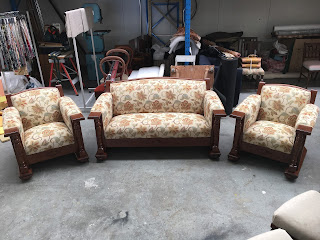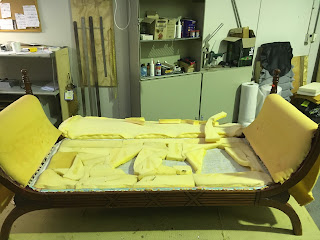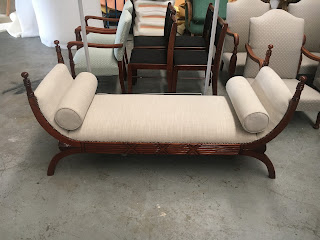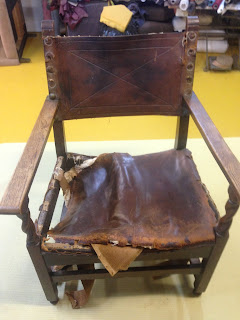
Blog

  • TYPES OF WOOD USED IN  ANTIQUE FURNITURE

    TYPES OF WOOD USED IN ANTIQUE FURNITURE

    TYPES OF WOOD USED IN  ANTIQUE FURNITURE

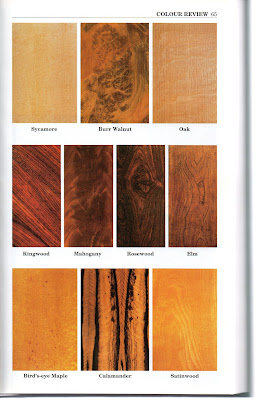
    Our customers sometimes ask what type of wood is used in a particular piece of furniture they may have so figured it may be a good idea for a blog post to give a quick over-view of the different types of wood used to make what is now antique furniture, whether it be for chairs, settees, dining chairs or cabinets and tables etc.
    Below are some of the main wood types used:
    Sycamore
    Sycamore is a European wood related to the North American
    maple, and is as strong as oak. It is hard, milky-white, with a fine even grain
    with natural lustre. In medieval times furniture was made in solid sycamore,
    and from the late 17th century it was used in floral marquetry on walnut
    furniture.
    When quarter-sawn the figuring is known as fiddleback, as it
    was often used in the manufacture of violins. Sycamore treated with iron oxide
    or stained green or grey was known as harewood.
    Burr Walnut
    Burr walnut is the term used for walnut with knotty whorls
    in the grain where injuries occured on the trunk or roots of the tree. It was
    often used in decorative veneers. Walnut is a close-grained hardwood, the colour
    varying between light golden brown to dark grey-brown in colour with dark
    streaks, often with a rich grain pattern.
    Oak
    Oak is a slow-growing tree, taking between 150 and 200 years
    to reach maturity. The wood is hard and pale in colour, but darkens to a rich
    brown with age and polishing. Furniture made from oak is usually heavy and
    solid, and simple in design. From the middle of the 17th century oak was used
    mainly for the carcases of furniture and drawer linings, but became popular
    again in the late 19th century with the Arts and Crafts movement.
    Kingwood
    Kingwood is related to rosewood, which was first imported to
    Britain from Brazil in the late 17th century. It is a rich brown with purplish
    tones, giving it an alternative name of violet wood. Also known as princewood,
    it was used as a veneer or for parquetry decoration,
    particularly in France.
    From c1770 it was used for crossbanding and borders.
    Mahogany
    Mahogany is a close grained hardwood, native to northern and
    central South America and the West Indies. It varies in colour from dark brown
    to red, and sometimes has a spotted effect. As the girth of the tree is broad,
    furniture makers were able to use a single cut of wood for a table-top.
    Furniture made from mahogany became very popular with cabinet-makers in Britain
    from the middle of the 18th century, followed by France and the rest of Europe.
    African mahogany, which is lighter in weight, was used from the 1800s onwards.
    Elm
    The English variety of elm is hard and durable, but liable
    to warp, and prone to woodworm. Chairs were made from elm from the Georgian
    period, and the seats of Windsor chairs were elm from the 18th century. The
    wych elm has a particularly attractive grain and polishes well. Burr elm was
    used for veneers and cabinet-work in the early 18th century.
    Bird’s-eye Maple
    Bird’s-eye maple, or American sugar maple, describes the
    very attractive figuring in maple. It was popular for veneers during the
    Regency period, and was also used in Victorian and Edwardian bedroom suites.
    The wood of the maple is whitish, and responds well to polishing. Bird’s-eye
    maple is also popular today for picture frames.
    Calamander
    Calamander is a member of the ebony family and derives from
    Ceylon. Popular in the Regency period, it is light brown in colour, striped and
    mottled with black, and was used for veneers and banding. Calamander was also
    used in the manufacture of small decorative boxes. Ebony is close-grained,
    black in colour, and is resistant to decay.
    Satinwood
    West Indian satinwood was widely used c1770, and the paler
    East Indian variety became popular in the early 19th century. It was used
    widely for veneers and inlaid decoration, and the pale colour made it
    particularly suitable for painting. The grain varies from plain to rich
    figuring, the latter having a more transparent grain under polish or varnish.
    Cabinet makers of the 19th century preferred the West Indian variety, which was
    imported from Guyana some years before the East Indian variety, and was used as
    veneer in fine furniture from c1765. It was rarely used in the solid, and not
    for chairs until c1800. The Eastern type, imported from Ceylon late in the 18th
    century, was pale yellow and used mainly for crossbanding.
    Rosewood
    Rosewood is a hardwood native to South-East Asia, Papua New
    Guinea, the Solomon Islands, Sabah, Philippines, Indonesia and Malaysia. Some
    trees of the species grow very highly figured burrs, which are given the name
    ‘Ambonya wood’ from the Indonesian island of Ambon, and in veneer form are used
    in the making of furniture. Other uses of the wood include turnery, paneling,
    guitar-making, and knife handles. 
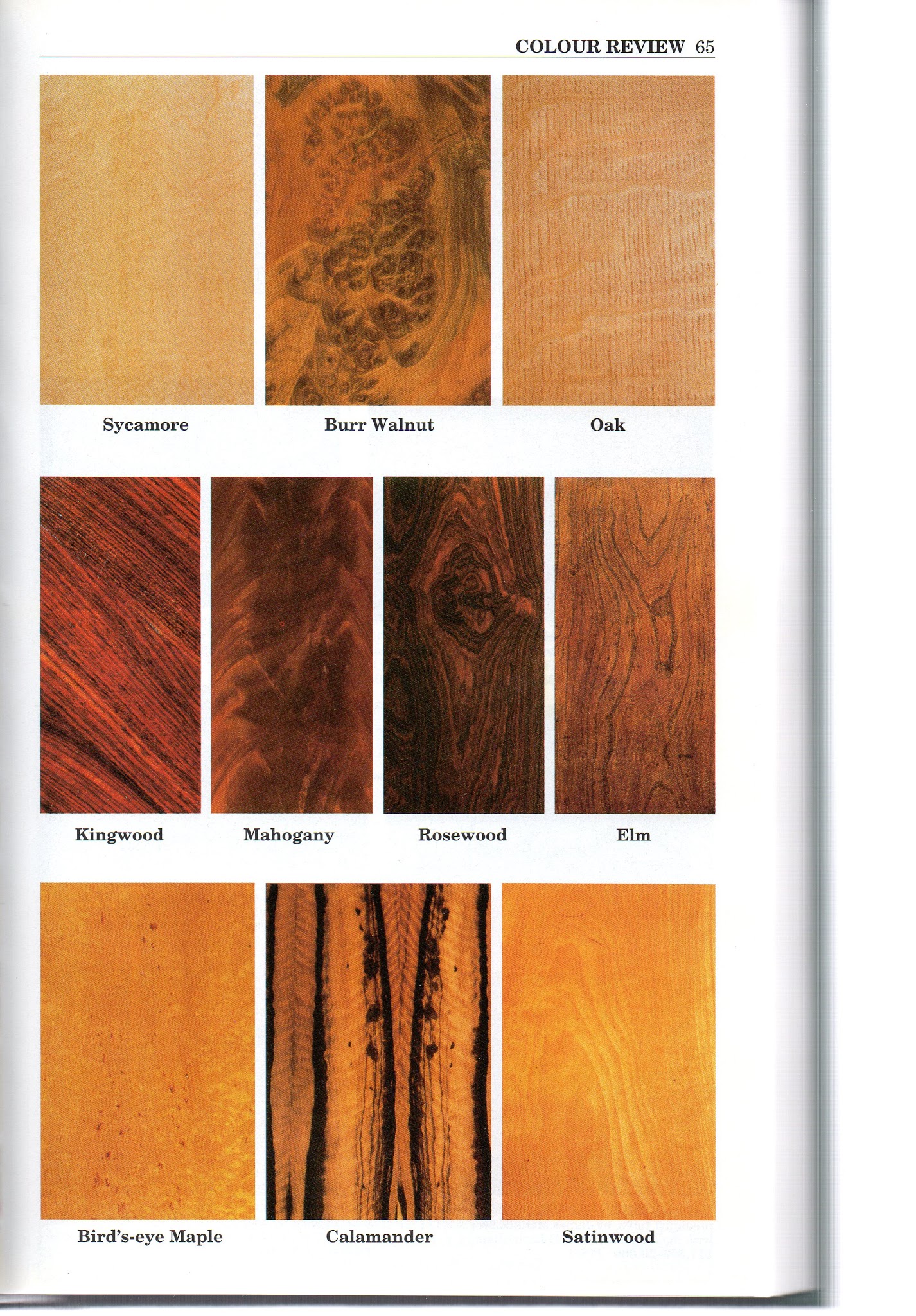
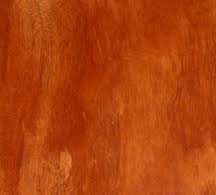
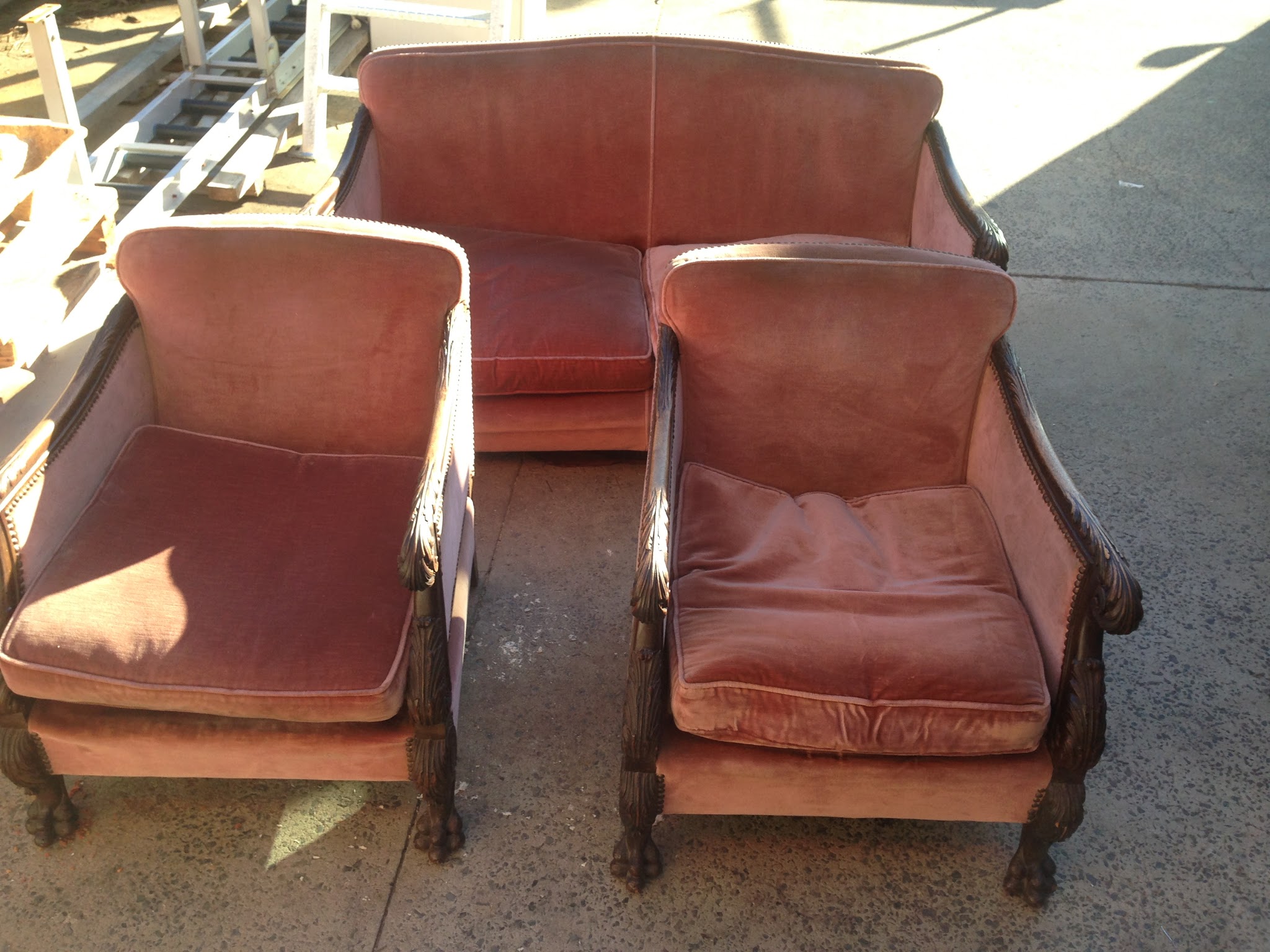
    IMAGES OF THE ABOVE WOOD’S
                                 Rosewood
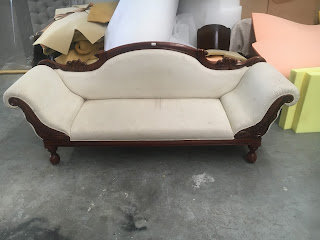
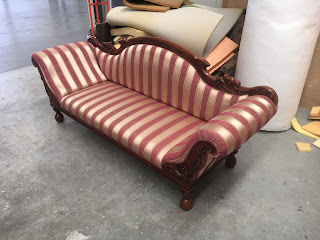
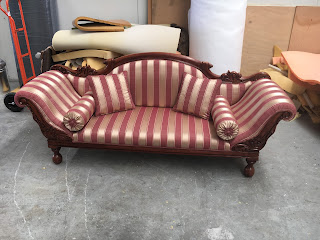
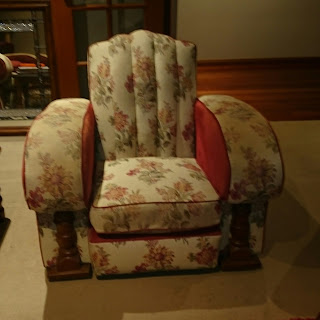
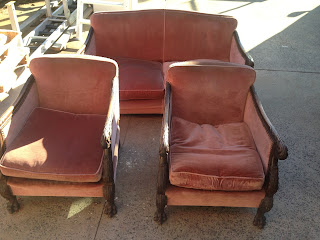
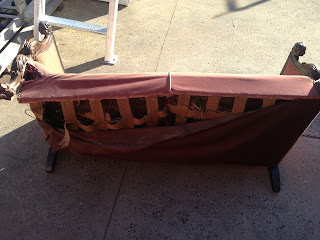
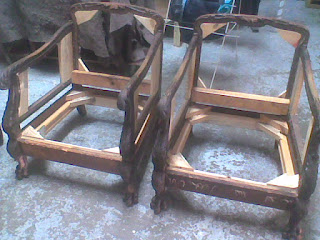
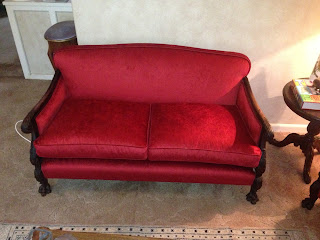
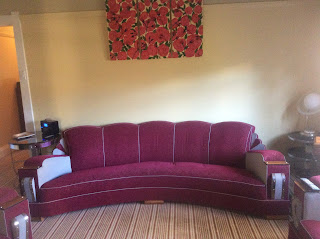
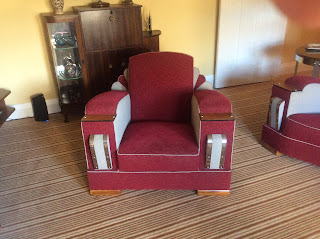
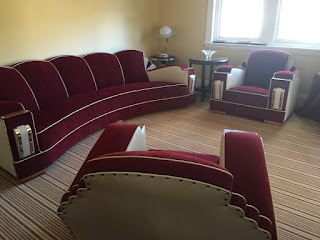
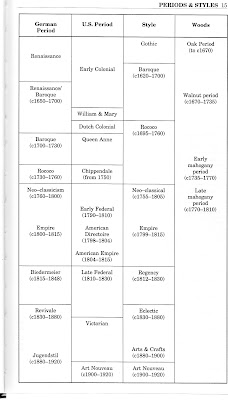
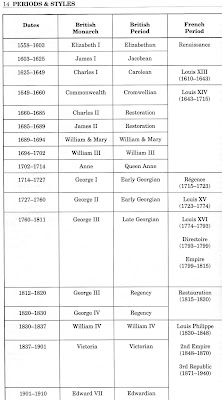
    Whilst on the subject of antique furniture it may also interest you to learn about their periods and styles.
    See the two images below:
    Hopefully you have found this useful
    Visit www.cover-it.com.au for any antique furniture re-upholstery you require.
    WE SERVICE THE FOLLOWING AREAS:
    Inner West (2037-2050)
    Lower North Shore (2060 – 2090)
    Upper North Shore (2070-2087)
    Northern Beaches (2092-2107)
    Gladesville-Ryde-Eastwood (2110-2126)
    Western Suburbs (2127-2148)
    Parramatta-Hills District (2150 – 2159)
    South Western Suburbs (2160-2214)
    St George (2216-2227)
    Sutherland Shire (2228-2234)
    Sydney CBD (2000-2016)

  • Cover It Upholstery Sydney – recent testimonials

    Cover It Upholstery Sydney – recent testimonials

    Cover It Upholstery Sydney – recent testimonials
    Hi Marcel – thanks so much for the beautiful job on our lounge,
    we’re both thrilled with how it looks and with the professional service you
    provided. We spent so long looking to buy a new lounge but we reckon our
    re-upholstered lounge is far better than any new lounge.
    thanks again
    Kind regards
    Pauline and Doug.
    Dear
    Marcel,
    Just
    wanted to thank you for a fantastic job with the cushion and the great turn
    around for the job. Definitely be passing on your contact to colleagues.
    cheers
    Lena
    Teo
    Hi Marcel!
    Thank you so much for the work! My clients love it!!!!
    Cross fingers they will also want to do their couches!
    Best wishes!
    Ann
    Below are a couple of things fabric suppliers point out to the upholsterer to be aware of. 
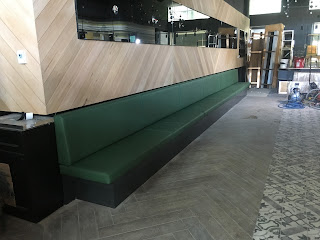
    The seam allowance stuff is standard and most upholsterers would adhere to this, although overlocking may not always be done where it should. The point about a layer of Dacron or calico however is where a lot of upholsterers would not bother, even though this is a crucial step that does not take a lot more time and effort to do but will make a huge difference in the wear of the fabric. There is another type of seating where we do this for a different reason as explained below the bench photo’s.
    At Cover It Upholstery Sydney we always make sure the work is done the best way possible to maximize quality and wear.
    Seam Slippage Prevention
    It is the responsibility of the furniture
    manufacturer/upholsterer to employ a
    seam construction, needle type and
    sewing thread which is appropriate for
    the fabric and furniture design. Different
    fabrics for the same design of furniture
    may result in varied seam constructions,
    different seam tension areas also require
    different seam strengths. The rupture of
    a seam due to seam slippage is generally
    not a fabric fault. A minimum of 10 to
    12 seam stitches per inch (25mm) is
    required along with a minimum of
    13mm seam allowance. It is
    recommended that the seam of any
    woven fabric which is liable to fraying
    be overlocked or otherwise secured.
    In some instances additional
    strengthening of high load seams may
    be required. This must be done at the
    manufacturers discretion after testing
    individual fabrics.
    Pile Loss
    It is recommended that pile fabrics
    such
    as velvets and some chenille’s are
    not
    upholstered directly on to foam
    surfaces.
    It is advised all high wear areas are
    covered by Dacron or calico to
    prevent
    pile loss due to friction between the
    foam and the fabric.
    Manufacturers
    Responsibility
    All care is taken when selecting fabric
    qualities for the Australian market.
    To eliminate problems such as seam
    slippage and loss of fibres from pile
    fabrics (we suggest to follow these steps).
    COMMERCIAL UPHOLSTERY

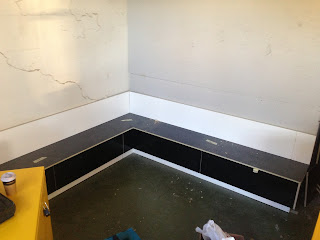
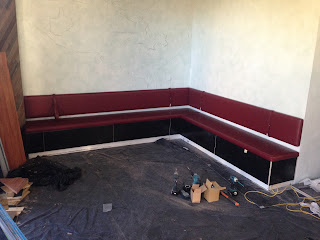
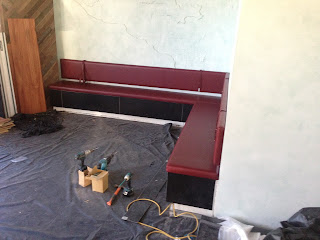
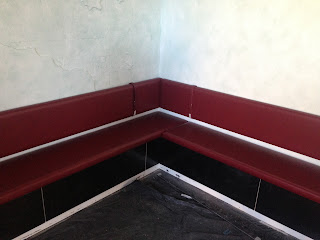
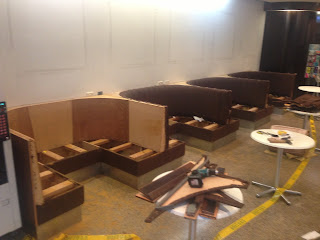
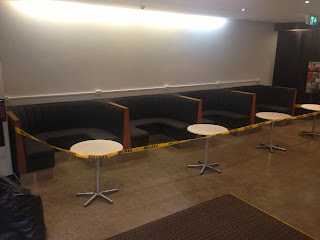
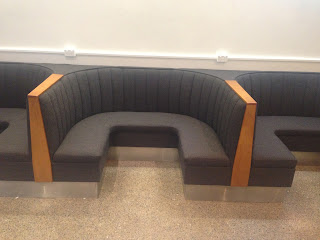
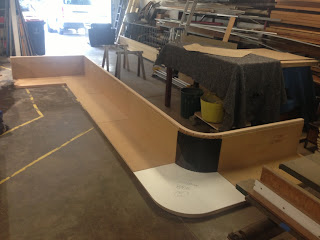
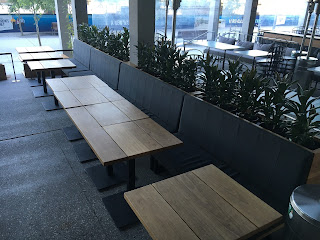
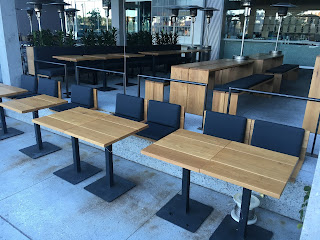
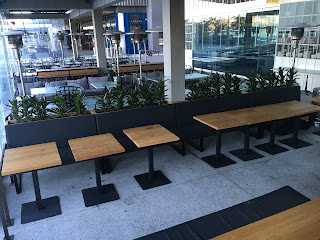
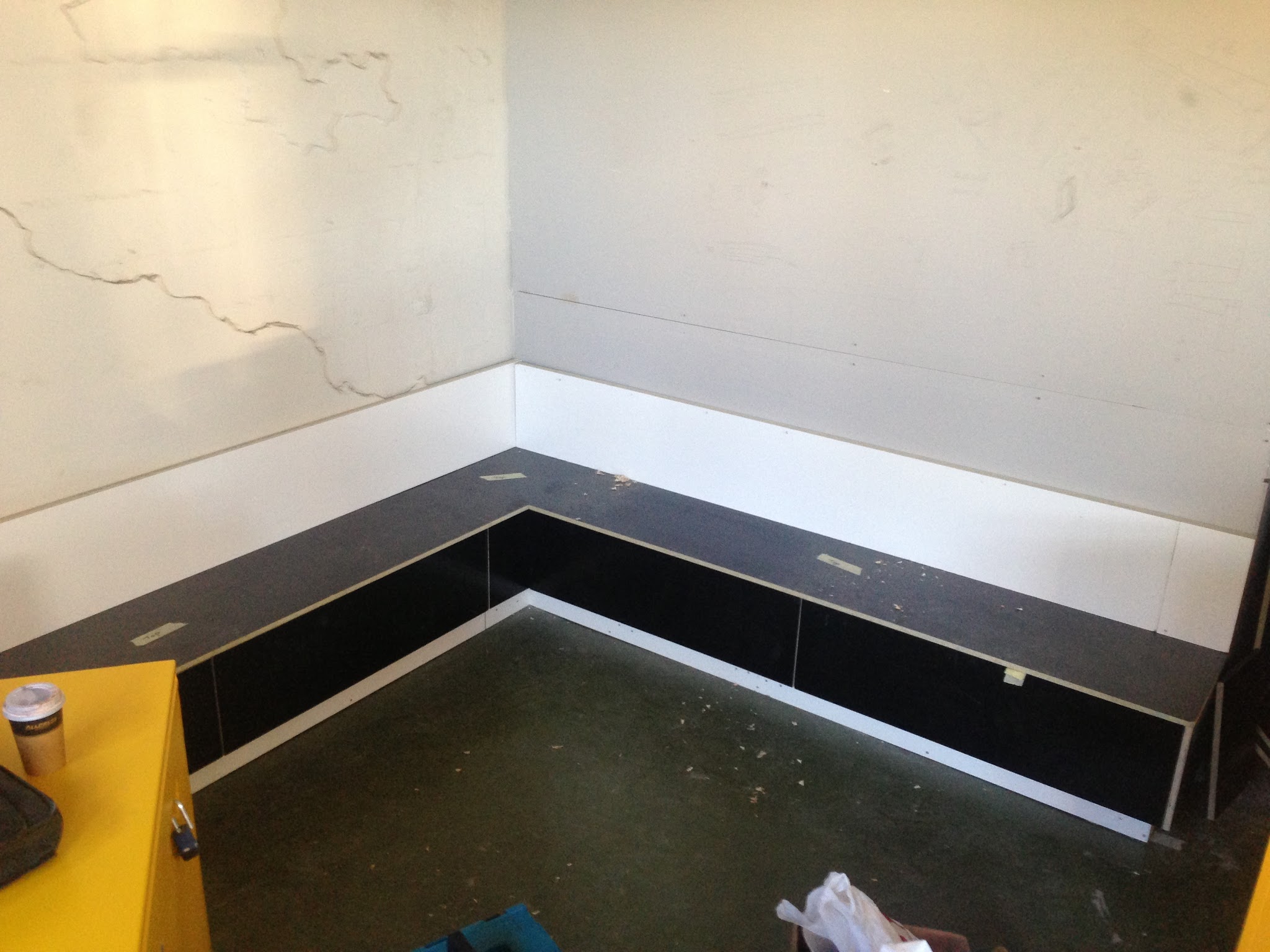
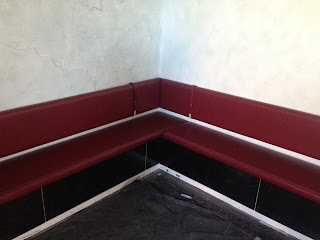
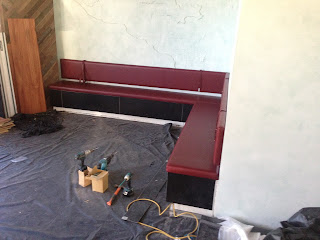
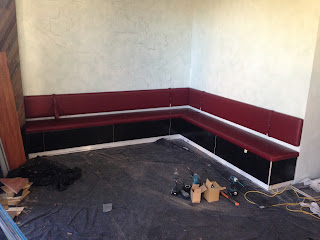
    By putting a layer of calico around the foam on the above bench seating we ensure that when a person gets up off the seat the vinyl springs back to shape, rather than leaving a wrinkled area due to the foam gripping the vinyl backing. 
    DOMESTIC UPHOLSTERY

  • Bonded or By-Cast “Leather” vs. Genuine Leather

    Bonded or By-Cast “Leather” vs. Genuine Leather

    Bonded or By-Cast “Leather” vs.
    Genuine Leather – What’s the Difference?
    Having a nice-looking sofa gives one a feeling of pride and
    accomplishment, and nothing is a better example of a grown-up piece of
    furniture than a new leather lounge suite
    But you should know that not all leather couches are created equal,
    and sofas made of bonded or by-cast leather are a prime example of
    true furniture inequality.
    What’s the difference between these leathers and genuine leather you
    ask?
    Bonded or by-cast leather is not the whole skin of an animal, but
    left-over pieces of hide blended together to form a seamless piece of
    leather material and coated with a thin man-made layer which will peel off
    (de-laminate).
    Genuine leather is made from entire pieces of animal hide and
    costs much more than items made with the bonded material. It’s hard to tell the
    difference between the two, as once an item is made with bonded leather the
    appearance and smell are nearly identical.
    Manufacturers will use many types of coats and permanent polishes
    to make bonded leather appear to be the real deal.
    Bonded leather can be quite useful though. It gives books a fancier
    appearance, it makes cheap belts look expensive, and it adds a sophisticated
    touch to any piece of office furniture. The bad part is that bonded leather is
    horrible for home sofas. It’s also inexpensive and is often made of recycled
    materials.
    Plenty of consumers are attracted to the lower cost of a bonded leather
    couch and they’re not scared away because bonded leather seems like real
    leather, but should in fact not be sold as such, but unfortunately often is.
    Another trick by the manufacturers is to only use it on the cushion and
    arm tops, basically all the surfaces that to touch when sitting, the rest is
    often vinyl.
    Durability difference
    Many are sadly surprised when they realize the true difference
    between bonded and genuine leather is its durability, and plenty
    of retailers leave this important detail out just to close the sale.
    Although the entire couch isn’t made of bonded material, one could
    easily mistake it for a leather sofa.
    You’re better off buying good leather furniture. Don’t buy one. It’s a
    leather backing with a man-made vinyl surface which WILL peel.
    Many furniture companies fail to tell consumers their bonded leather
    sofas actually contain very small amounts of real leather, as the percentage of
    actual animal hide can differ depending on the retailer or manufacturer.
    Many people say they have been duped by purchasing bonded leather
    furniture. 
    Bonded leather or reconstituted leather is not really a true leather but
    a man-made material.
    Couches that are made of bonded leather are harder and more expensive to
    repair and because they were so cheap to buy would cost more than the purchase
    price if it were to be recovered with genuine leather.
    It may not be worth fixing a bonded leather sofa.
    If you’re able to be patient and save the necessary funds for a genuine
    leather couch do so, especially if a leather sofa is what your heart truly
    desires. Don’t waste your money on this type of rubbish, it will only look good
    for a short time.


  • Choosing an upholsterer

    Choosing an upholsterer

    Choosing an upholsterer

    This article taken from Habitat Magazine, written by Deirdre Coleman, highlights some of the key reasons it makes sense to recover your furniture rather than buy new when the furniture you own is of good quality and/or has sentimental value.


    But choose your upholsterer wisely as many will not do the work that is necessary.
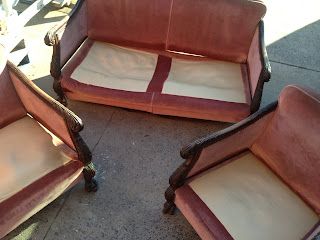
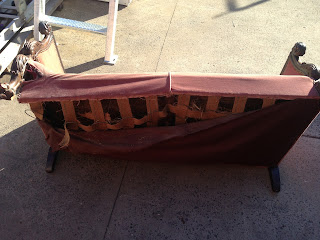
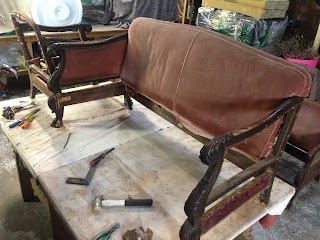
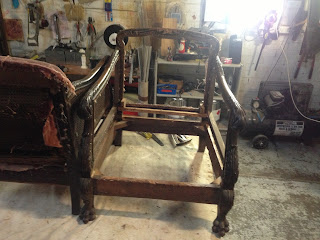
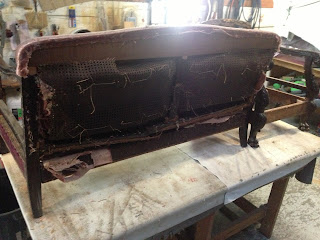
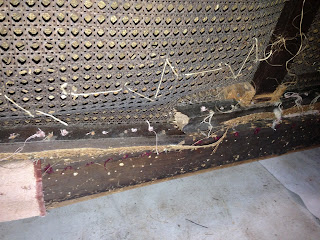
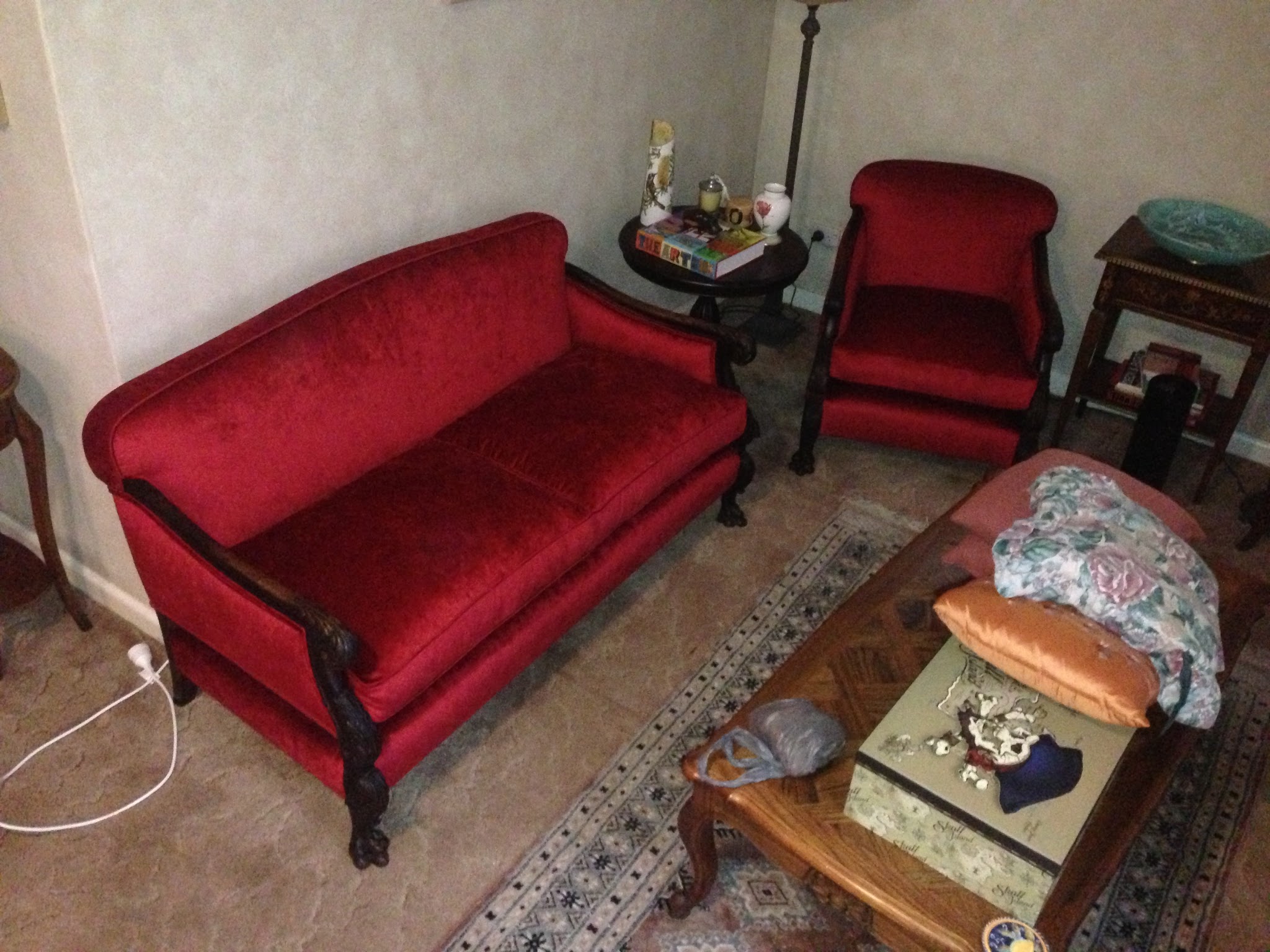
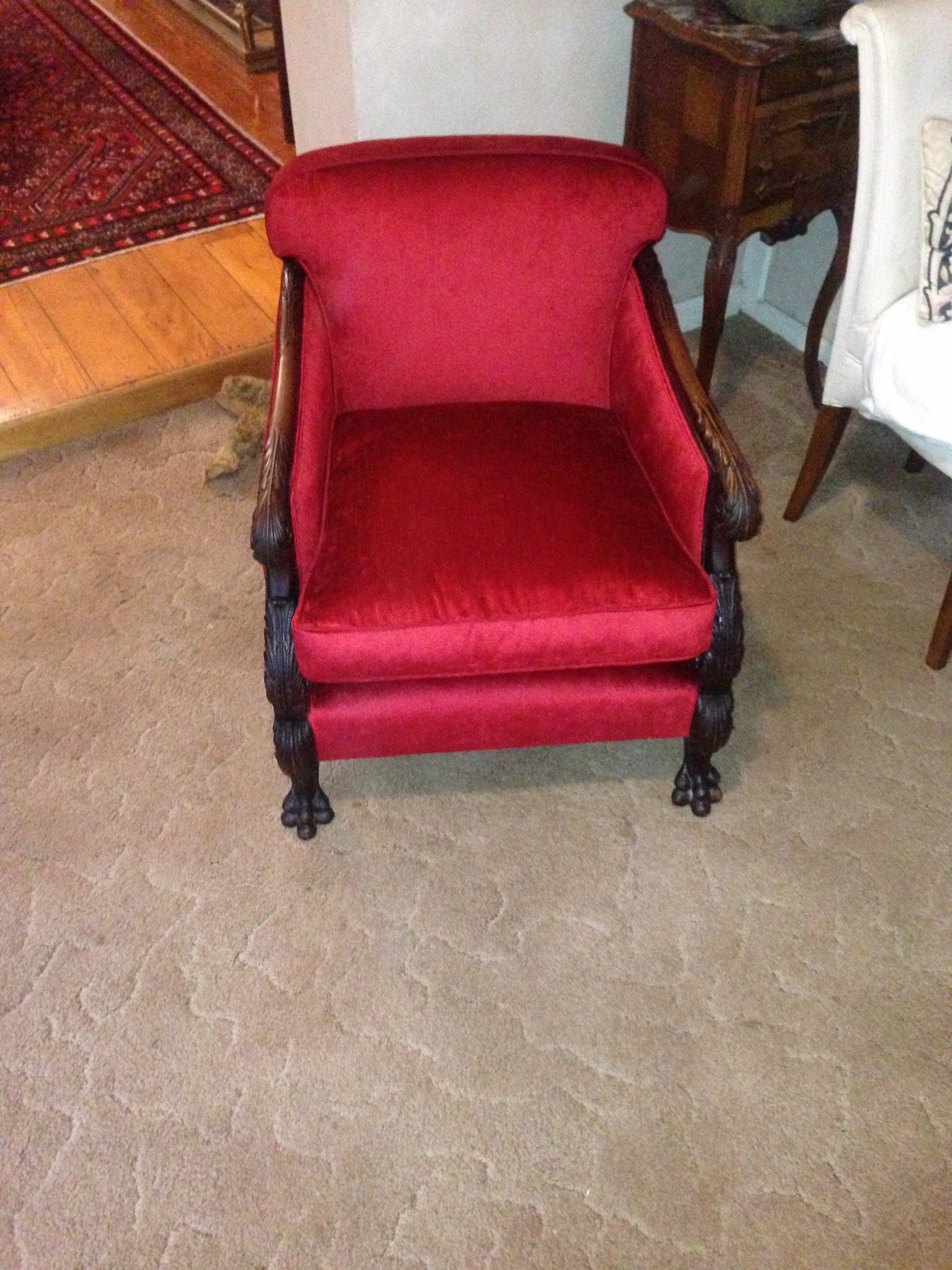
    Below this article are before and after photos of a lounge suite Cover It Upholstery Sydney restored recently and will show the extent of the work that was required.

    When it comes to furniture, it seems we’re
    finally waking up to the insanity of buying
    something only to toss it out the moment
    it starts to look a bit shabby or outdated.
    Retro and antique furniture, and even pieces
    that are a couple of decades old, are finding
    new favour with design-savvy homeowners
    who see past the faded fabric and worn
    springs to the treasure beneath.
    “There’s a lot more interest now in
    refurbishing existing furniture,” says Mark
    Waters from Upholstery Craftsman. “Some
    people have been burned by buying cheap
    imported pieces, and are starting to see the
    value in quality second-hand purchases.”
    His Wellington-based boutique upholstery
    business specialises in restoring older pieces,
    repairing timber frames and replacing springs
    and wadding, as well as re-upholstering and
    alterations. Waters receives regular enquiries
    from would-be bidders on online auctions,
    asking for quotes to repair a couch, dresser
    or other item of pre-loved furniture.
    Classic furniture “like Parker Knoll, Cintique
    and Don furniture is good quality and very
    popular because it suits everything from
    apartments to bungalows,” he says. “People
    are realising that it doesn’t take a lot to redo
    this ‘50s to ‘70s furniture, and that you
    end up with something pretty groovy.”
    So how do you know if the piece you have is
    worth restoring? According to the experts,
    quality, age, good design and sentimental
    value are the key indicators. If you have
    something that’s well made, unusual or has
    sentimental value, then it makes sense to
    have it reupholstered and restored.
    “An old piece with a good frame that has
    borer has far more integrity – when the borer
    riddled wood is replaced – than some of the
    modern imported furniture we see today,”
    says Waters. “Anything can be repaired.”
    For Garth Clarke from Dunbar Furniture
    Restorations in Auckland, restoring retro
    ‘60s and ‘70s pieces is an everyday job. He
    sees a lot of empty-nesters who’ve had their
    dining suite for 30 years and now want
    to make it presentable again. With items
    like this, he says, it’s generally cheaper to
    refurbish something than to replace it with
    something of the same quality.
    “A good rimu dining suite will cost you
    around $6000, but having one refurbished
    might only cost $2000,” explains Clarke.
    “If it’s 20-plus years old and still structurally
    sound, it’s worth doing. You get what you
    pay for, so if it was expensive when it was first
    bought, it’s worth keeping. And anything
    made from native timber would definitely
    be worth holding onto and restoring.”
    Clarke recently worked on a 150-year-old
    Welsh dresser for a client. Water spilt on
    the top had bleached out the colour and
    removed the old French polish. Rather than
    stripping the entire top, he was able to
    carefully sand and stain the damaged area,
    retaining the original surrounding patina
    and enhancing the dresser’s value.
    However, like all good craftspeople, Clarke
    isn’t afraid to give advice when required.
    While something as simple as changing the
    upholstery on a chair can visually transform
    it, much more can be achieved. A good
    upholsterer or furniture restorer can update
    the style of a piece of furniture, or customise
    it to suit your needs.
    They can change the feet, remove a skirt on a
    sofa or chair, raise or lower the legs and back,
    re-web chair bases and adjust the composition
    of cushion filling to provide added comfort
    and support, and even shrink or extend
    couches. Details such as piping, buttoning
    and diamond pleating can also be added, and
    timber lacquered, stained or polished.
    With collectible and antique pieces, it pays to
    invest in traditional restoration by someone
    who knows what they’re doing, advises
    Mark Waters. “A 1920s settee that’s in
    original condition will take around 40 hours
    to rebuild, as it’s all hand done,” he says.
    “We rebuild pieces the way they were, using
    things like horse hair and reed stuffing, and
    where possible, we try to use environmentally
    friendly products like recycled cotton, spun
    flax and hessian cloth.”
    Irrespective of the value and heritage of
    your furniture, it’s important to have good
    rapport with your craftsperson and to clearly
    communicate your needs and expectations.
    The end result will be obvious each time you
    admire your ‘new’ treasure.

  • Cover It Upholstery Sydney – CARE & RESTORATION OF TIMBER FURNITURE – prt2

    Cover It Upholstery Sydney – CARE & RESTORATION OF TIMBER FURNITURE – prt2

    CARE & RESTORATION
    Gesso is plaster-based and therefore highly susceptible to
    water and moisture. Once the gesso becomes damp it will perish and the piece of
    furniture will have to be both regessoed and thus regilded. Do not hang gessoed
    mirrors on damp walls, in bathrooms, or in rooms with a high degree of
    humidity. When dusting elaborately carved gilt furniture use a light feather
    duster rather than a cloth to avoid breaking off pieces of decoration and gilt.
    With painted furniture a damp cloth can be used, but never solvents. Afterwards
    a light coat of wax should be applied, but pay attention to any flaking
    decoration. Restoration and Repair At some time you may need the services of a
    restorer. However, it can be a false economy to go with the cheapest estimate
    as once a piece of furniture has been badly restored and the colour spoilt
    there is very little that can be done to rectify someone else’s mistakes!
    Ideally select a member of the British Antique Furniture Restorers’ Association
    (BAFRA, or Australian equivalent, such as FIAA), who will have been vetted and, should a
    dispute arise, there is a structured complaints procedure. It is always a good
    idea to ask to see examples of previous restoration work or seek
    recommendations from a previous client. All restorers will be happy to provide
    a written quotation before work commences.
    A George III chest of drawers, found in an outhouse where
    the damp had caused the glue to perish, the feet to fall off and the veneer to
    peel. All furniture will need to be put in a workshop at some stage. Drawers
    that do not run easily have worn runners but their life can be prolonged by
    applying candle wax to the runners and sides of drawers. This can be done at
    home. Every 30 or 40 years chairs need to be knocked apart, the old glue
    cleaned off and the joints reglued and re-assembled. The work must be
    undertaken once chairs become noticeably loose, as at
    this stage it is a standard restoration task. If left, the
    chair will get worse, and eventually collapse, possibly breaking joints in the
    process and incurring extra expense as false tenons will have to be cut to
    repair the shattered joints. Daily Care Climate can affect furniture greatly
    although it is more to do with very dry air than soaring temperatures. Should
    table leaves warp they should be put in a damp atmosphere and hopefully they
    will straighten themselves. If card or tea tables develop a ‘smile’, open them
    up overnight and by the morning they should have straightened up. If this does
    not work they will have to be straightened by a qualified restorer, who will
    remove the core material from the inside down to the exterior veneer then lay
    the old surface veneer on to a new, stable, flat piece of timber. As this is a
    very costly process, it is wise to remove all furniture from direct strong
    sunlight, allow a room a few draughts and, if furniture is beginning to move,
    invest in a small humidifier. By taking care in the day-to-day handling of
    furniture costly accidents can be avoided. When moving a chest, never lift it
    by the top as this can result in the top breaking away from the base, always
    open a drawer and lift it by the carcase. Be aware of drawers in side tables
    which, if the table is tipped forward when moved, may crash to the floor. Never
    rock back on chairs as this puts great strain on the joints. When transporting
    furniture always wrap it with a clean blanket to avoid damage and scratches. To
    avoid damage to yourself it is important to lift furniture by bending the knees
    and not the back and, when lifting a bookcase, never put your hand on the glass
    doors. Always put small felt pads under the feet of clocks, caddies etc to stop
    them scratching the furniture. Never lock a bureau fall, because if someone
    decided to break into it the damage to the furniture could be more than the
    value of the goods taken from it. Also never lock a piece of furniture when it
    is in transit, as a jolt can jam the lock resulting in a major operation to
    release it. Keep an eye out for woodworm. If small piles of sawdust appear the
    worm is live. The best remedy is to contact a reputable company and arrange for
    the piece to be fumed for 48 hours under pressure. This will not damage the
    timber or upholstery but is guaranteed to kill the worm. Antique furniture,
    like property, was here before us, and will be here after us. To enable future
    generations to enjoy it as much as we do, it is our duty to cherish and care
    for it throughout our own lifetime.


  • COVER IT UPHOLSTERY SYDNEY CARE & RESTORATION OF TIMBER FURNITURE

    COVER IT UPHOLSTERY SYDNEY CARE & RESTORATION OF TIMBER FURNITURE

    CARE & RESTORATION OF TIMBER FURNITURE – prt1

    During the 18th and early 19th century nearly all antique
    furniture was made to order, and consequently great care was taken in the
    selection of timbers and veneers as well as the quality of workmanship of the
    cabinet-maker, carver and gilder. It is testament to the excellence of all
    those involved that so many pieces have survived the test of time and have been
    either inherited or bought by successive generations. The following suggestions
    should enable current owners to preserve, and even improve, the appearance of
    such pieces for the next generation. One of the most important aspects to
    furniture is that of patination. Patination is the name given to the build-up
    of wax, grease and dust that, when combined over a period of many years, gives
    the timber a ‘skin’ and can be described as the furniture’s history in its
    surface and is therefore very desirable. Waxing To keep and improve patination,
    furniture should be waxed with a natural wax-based polish product (never a
    silicon-based one) no more than once a month. More frequent waxing is actually
    counter-productive as wax will soften previous layers and, if frequently
    applied, the furniture will take on a smeared appearance. The best technique is
    to apply a thin layer of wax, allow it to stand for a short while and then
    burnish with a soft, clean cloth. Always rub in the direction of the grain and,
    if leaning over a dining table or other large piece of furniture, pay attention
    to belt buckles, rings or buttons which may scratch the surface. A mixture of
    vinegar and water should never be used to clean the surface as the vinegar acts
    as a solvent and can remove generations of patination in a matter of minutes.
    It is essential to place mats on the furniture before putting hot or cold
    dishes on to polished surfaces, and cold water in a flower vase can reduce the
    temperature of the polish and produce a white ‘chill’ mark. As with any surface
    damage, such a mark needs the specialist’s hand. A French polished surface is
    made up of many layers of shellac polish which has been applied with a ‘rubber’
    — a linen cloth enclosing a wadding material inside. The ‘rubber’ is coated
    with shellac polish which is applied with the aid. of linseed. An area no
    bigger than a finger-nail is actually in contact with the surface, and thus numerous
    thin coats are built up over a period of time that enhance the grain and colour
    of the timber. When water damage or the like occurs, if the polish and not the
    timber has been affected, a skilled polisher can remove one layer of polish at
    a time until he reaches the undamaged surface. He will then carefully reapply
    polish to the localised area, binding
    it to the original untouched areas, thus eradicating the
    water mark etc. Such a technique takes many years of training and application,
    and should never be attempted by a novice as inexperience could result in a
    dark area which actually looks worse than the original water mark. The cleaning
    of brasses is very much a case of personal taste. Some people like brass
    handles to develop a bronzed patination and therefore will never clean them,
    whilst others will clean handles until they shine like soldiers’ buttons. I
    prefer the middle ground. with only the highlights being cleaned, and leaving a
    natural build-up of wax around the backplates and knobs. Should traces of
    original lacquer or fire gilding be in evidence use just a damp cloth to
    lightly wipe them when required. A wadding cleaner is best used when cleaning
    handles as a liquid spillage on a patinated surface will once again remove all
    traces of patination. Gilding Great care must be taken with gilt furniture and
    mirrors. Their are two types of gilding, water and oil. Water appears more
    yellow in tone than the deeper orange gold of oil gilt. Most English 18th and
    19th century furniture was water gilded. Layers of gesso (plaster) were applied
    to the carved wooden base and then ‘recut’ to redefine the carved decoration. A
    liquid clay base, or bole, was then applied and gold leaf laid upon it. The
    final tone was achieved by burnishing the gold leaf. With oil gilding, the
    gesso was applied with an oil size to which the gold leaf then stuck. Oil
    gilding was not frequently used on English furniture.

    A Regency gilt overmantel mirror, which had been attacked by
    damp, in the process of being restored. It is not a good idea to try and clean
    gilt as if water is applied to it the gold will wash off and expose the
    coloured bole beneath. Seek specialist advice from a qualified gilder and
    liaise closely with him or her to agree the finish, as this can differ from workshop
    to workshop. Ask to see various examples of work and decide how bright you wish
    your restored piece to be.
    AN EXAMPLE OF GOLD GILDING
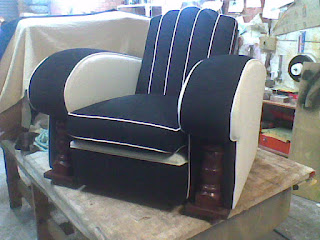
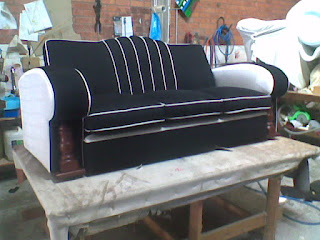
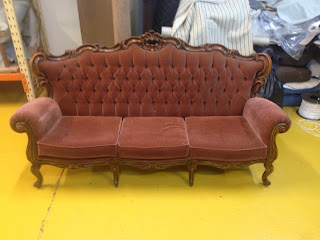
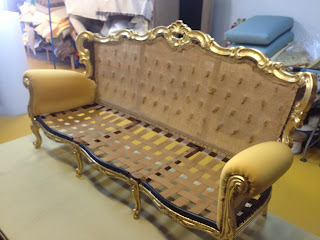
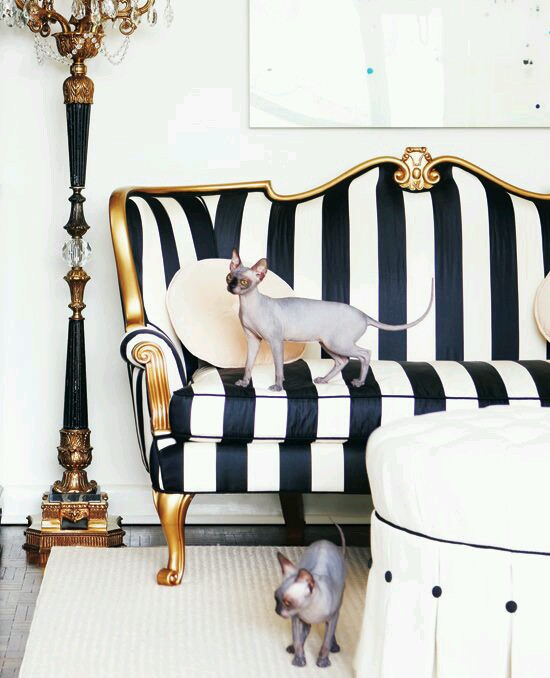
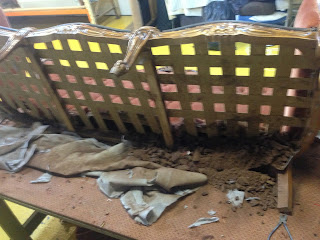
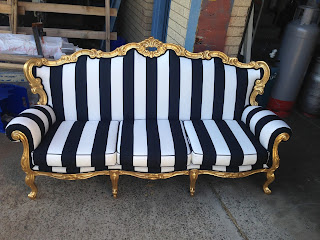
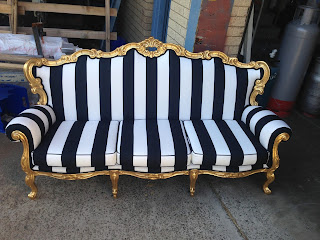
    Recently we were asked to restore an old Italian 3-seater. Gold gilding was applied to the frame before being upholstered.
    This photo is what inspired our customer
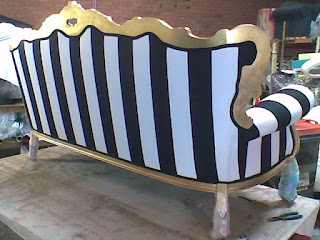
    The following are a few before and after photo’s of our customer’s 3-seater.
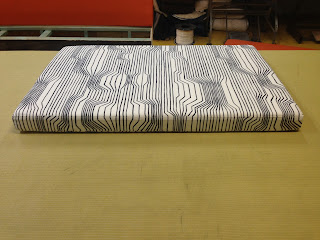
    The black and white striped fabric used was from Warwick Fabrics called Welland Ebony.

    (more…)

  • Fabric Care and Cleaning

    Fabric
    Care and Cleaning

    We get asked about this often by our customers so think it may be helpful to post this.

    The below advise is from one of our fabric suppliers, Warwick Fabrics, and is offered in good faith and you should always consult a professional cleaning company.
      
    Alcoholic
    Beverages
     After
    the moisture has been blotted up, dab at the stain with a clean cloth dampened
    in rubbing alcohol. Then blot repeatedly with liquid detergent mixed with cool
    water. Blot dry with a towel. Dab again with clear cool water and blot dry.
    Blood
     Mix one
    teaspoon of ammonia in a cup of cold water and apply it sparingly to the spot.
    Blot with a clean towel. Repeat the procedure until the spot is gone. Then dab
    the area with cool water and blot. Wait 15 minutes and moisten the area again
    with white distilled vinegar. Blot thoroughly with a dry towel.
    Chenille
    Yarn Fabrics
    Shampoo cleaning or hot-water extraction,
    taking care to restore the pile orientation in finishing will produce a
    satisfactory result. Care must be taken not to undertake concentrated rubbing
    on a small area, which may produce irreversible disruption of the chenille
    fibre. It should be noted that even the simple act of wetting the fabric is
    likely to produce an appearance change even if the chenille fibre is not
    disrupted. This is largely due to flattening of the chenille fibre while it is
    wet and may result in a ‘dappled’ or ‘mottled’ surface. Warning: Some high pile
    viscose rayon chenilles, velvets and pocket weave jacquards may change in
    surface character if stain repellent treatments are applied. Extra care should
    be taken to pre-test for these fabrics.
     Chewing Gum
     Rub an
    ice cube over the gum to harden it, then scrape off the excess with a dull
    knife. To remove what’s left, use dry cleaning fluid. Chocolate and other soft
    candy) This is a .combination greasy/non-greasy stain. Scrape excess away, then
    go over the spot with cool water mixed with a liquid detergent. Blot thoroughly
    and then clean with dry cleaning fluid.
    Coffee
    and Tea
    Sponge with warm water. Apply warm glycerine.
    Leave for 30 minutes. Flush out with water and dry quickly.
    Cosmetics
     Sponge
    with warm water. Apply warm glycerine. Leave for 30 minutes. Flush out with
    water and dry quickly.
    Fruit
    and Fruit Juices
     After
    excess is blotted up or scraped away, blot the spot with cool water. If a stain
    remains, add liquid detergent and a drop of vinegar to the water. Dab the spot
    with this mixture and blot until there’s no trace of a stain. Then go over the
    area lightly with clear water to remove traces of vinegar.
    Grease
    (including hair grease and oil)
    Scrape away
    excess if necessary and then dab repeatedly at the stain with dry cleaning
    fluid. If any stain remains, go over the area with a lukewarm mixture of liquid
    detergent and water. Always make sure you use a clean portion so you don’t put
    the stain back in the fabric. Last, go over the area with a clean cloth
    moistened with cool clear water.
    Ice
    Cream
     Scrape
    away excess and apply cool water mixed with liquid detergent, blotting
    frequently with a dry cloth so as not to saturate the fabric. Let dry and then
    go over any remaining stain with dry cleaning fluid. Blot dry.
    Ink
    Moisten with warm glycerine. Leave for 10
    minutes. Apply liquid detergent and brush lightly. Flush out with water and dry
    quickly.
    Iodine
     Rub
    with cut lemon before sponging with warm water. Apply small quantity of
    detergent with clean cloth. Blot stain then remove soapy residue with cloth
    wrung cut in warm water and white vinegar solution (1/3 vinegar to 2/3 water).
    Milk
    and Vomit
     Blot or
    scrape away the excess, then take a clean soft cloth and blot. Apply clear cool
    water to the area, blotting frequently. Then blot with a detergent solution to
    which you’ve added a small amount of ammonia. Blot dry and wait a few minutes.
    Go over the area with dry cleaning fluid, blot dry. Finally, blot the area
    lightly with a cloth moistened with rubbing alcohol.
     Professional Cleaning Frequency
    Is determined by the furniture use, your own
    maintenance, upkeep and environmental conditions. As a good ‘rule of thumb’ overall
    cleaning is recommended every 12 months for most family room lounges.

    Professional Fabric Servicing
    Warwick Fabrics recommend that water-based
    Fluro chemical’ type fabric protectors such as DuPont Teflon® and 3M
    Scotchgard®) be applied by licensed applicators only. Check your care label
    first to see if a mill-applied protection was incorporated during fabric
    manufacture. It is not necessary to apply an after-market protector over
    mill-applied protectors on new fabrics. Fabric protectors do not eliminate the
    need for vacuuming, routine cleaning or proper care. They will, however, make
    spot cleaning and vacuuming quicker, easier and more efficient between
    professional cleans and keep your fabric looking cleaner longer, as well as
    extending its life. Professionals applying fabric protectors must always pre-test
    to qualify fabric suitability.
    Shoe
    Polish
    Apply liquid paraffin to loosen the stain,
    then sponge with dry cleaning fluid. Soft Drinks, Sweets and Syrups Sponge with
    water, add warm glycerine and work into stain. Flush out with water and dry.
     Spot Cleaning
    Treat spills and stains as soon as possible.
    Test on hidden area to ensure fabric and colour are not removed. Gently scrape
    any soil or mop any liquid from the surface of the fabric. Use of soap or
    detergent with water should be approached with caution since overzealous
    rinsing to remove soap residue may result in over-wetting, water marking and
    possible wetting of substructure this may create other stains or damage
    products). Spot cleaning advice is offered in good
    faith and should not be considered as a guarantee that all stains may be
    removed. For severe stains please consult a professional upholstery cleaning
    company.
    1
    For Non Oil-Based Stains
    Use warm water and non-toilet soaps which do
    not contain optical brighteners (consider Velvet soap, Lux Flakes, Softly). Mix
    a small amount of soap and warm water solution and apply to the stain, rubbing
    gently. Blot dry with a clean towel. Apply cool water (preferably rain or
    distilled water) and blot dry again. Then with a hair dryer working out from
    the centre of the stain, dry quickly to prevent rings forming. It is generally
    preferable to clean whole panels of fabric in this way rather than trying to
    spot clean specific areas.
    2
    For Oil-Based Stains
     Following the same basic guidelines as above,
    apply a proprietary brand solvent based cleaner and try to clean generally in
    panels rather than spot cleaning specific areas. A helpful industry ‘secret’ is
    for spot removal of oil based biro marks by the application of a conventional
    hair spray.
    Urine
    It is especially important to treat this stain
    right away, before the urine dries. Otherwise, the urine may react with the
    fabric dyes and cause permanent discolouration. First, dab at the stain with a
    solution of white vinegar and water and blot dry. Then apply a mixture of
    liquid detergent and cool water, blotting frequently and with a dry cloth to
    avoid saturating the fabric. Finally, dab the spot with clear cool water and
    blot thoroughly.
    Velvet
    Curtain Care

     Curtaining velvet needs care in handling and
    use. Window fittings coming in contact with the curtain should be avoided.
    Stiff brushing or strong vacuum cleaning on the reverse side of velvet can also
    pull at the pile. Draw cords or other methods of drawing without handling the
    curtain itself are recommended, as grasping, particularly with fingernails, can
    cause crushing and other damage. Velvet curtains should be dry cleaned. Water
    Spots Blot thoroughly and then dampen the entire spot with clear white vinegar.
    Wait a few minutes. When the area is dry, moisten it again with clear water,
    blotting with a dry cloth after every application of the damp cloth. If the
    fabric has a pile, brush in the direction of the pile when it is dry.
  • FABRIC CARE

    FABRIC CARE


    1U            PILE FABRIC

    Text Box: 1U PILE FABRICREGULAR CARE:
    Protect from direct sunlight. Vacuum regularly using low suction. Rotate
    reversible cushions
    regularly.
    CLEANING: Do not remove cushion covers for separate cleaning or washing, even
    though they may have zippers. Shampoo clean
    using upholstery shampoo. Do not use dishwashing or laundry detergents. Do not
    wet filling. Do not scrub with stiff brush. Gently vacuum to restore pile. Dry
    in shade away from direct heat. Allow to
    dry thoroughly before re-use. OR Clean with hot water extraction machine
    (HOT). Professional cleaning
    recommended.
    Use only upholstery detergent. Do not wet filling. Gently vacuum to restore
    pile. Dry in shade
    away from heat.
    Allow to dry thoroughly before re-use OR Clean using on-site dry cleaning
    machine (P).
    Professional cleaning recommended. Do not wet filling with
    solvent. Exhaust solvent outside building. Allow to dry before re-use. SPOT
    CLEANING: Treat spills and stains as soon as possible. Gently scrape any soil
    or mop any liquid from the surface of the fabric.
    Apply preparatory cleaning agents strictly according to instructions to remove
    the residue of the spill. Do not saturate the fabric or interior with water or
    other cleaning liquids. May
    be spot cleaned
    with dry cleaning solvent.

    3U            NON PILE FABRIC

    Text Box: 3U NON PILE FABRICREGULAR CARE:
    Protect from direct sunlight. Vacuum regularly using low suction. Rotate
    reversible cushions
    regularly.
    CLEANING: Do not remove cushion covers for separate cleaning or washing. Even
    though they may have zippers. Shampoo clean
    using upholstery shampoo. Do not use dishwashing or laundry detergent. Do not
    wet
    filling. Do not scrub with stiff
    brush. Gently vacuum to restore pile. Dry in shade away fro direct heat. Allow
    to dry
    thoroughly before re-use. OR
    Clean using on-site dry cleaning machine (P). Professional cleaning
    recommended.
    Do not wet filling with solvent. Exhaust solvent outside
    building. Allow to dry before re-use. SPOT CLEANING: Treat spills and stains as
    soon as possible. Gently scrape any soil or mop any liquid from the surface of
    the fabric. Apply proprietary cleaning agents
    stric tly according to instructions to remove the residue of the spill. Do not
    saturate
    the fabric or interior with
    water or other cleaning liquids. May be spot cleaned with dry cleaning solvent.

    4U            NON PILE FABRIC
    SOIL

    RESISTANT TREATED

    Text Box: 4U NON PILE FABRIC SOIL
RESISTANT TREATED
REGULAR CARE: Protect from direct sunlight.
    Vacuum regularly using low suction. Rotate reversible cushions
    regularly. CLEANING: Do not remove
    cushion covers for separate cleaning or washing even though they may have zippers clean with hot water extraction machine
    (hot) professional cleaning recommended. Use only upholstery
    detergent do not wet filling, dry in shade away
    from heat allow to dry thoroughly before re-use. OR Clean using
    on-site dry cleaning machine (P) Professional
    cleaning recommended do not wet filling with solvent, exhaust
    solvent outside building allow to dry before
    re-use. Re-application of soil-resist treatment may be necessary. SPOT
    CLEANING: Treat spills and stains as soon as
    possible gently scrape any soil or mop any liquid from the surface of the
    fabric, apply proprietary cleaning agents strictly according to instructions to
    remove the residue of the spill. Do
    not
    saturate the fabric or interior with water or other cleaning liquids may be
    spot cleaned with dry cleaning
    solvent. WARNING: This fabric has been
    treated with a soil resistant finish do not shampoo clean. Do not apply a further treatment until necessary.

    5U             CARE LABEL CHINTZ
    OR MOIRE

    Text Box: 5U CARE LABEL CHINTZ OR MOIREREGULAR CARE:
    Protect from direct sunlight. Vacuum regularly using low suction. Rotate
    reversible cushions
    regularly.
    CLEANING: Do not remove cushion cavers for separate cleaning or washing, even
    though they may have zippers. Do not clean
    with hot water extraction machine. Do not sponge with water. May be cleaned
    with dry powder cleaner. Sprinkle powder over fabric. Spread powder to ensure
    uniform coverage. Allow powder to stand
    for recommended period. Vacuum powder from fabric with gentle suction.
    OR On-site dry cleaning recommended
    (P). SPOT CLEANING: Treat spills and
    stains as soon as possible. Gently scrape any soil or mop any liquid from the surface of the fabric. Spot clean with dry
    cleaning solvent or dry powder cleaner. Do not sponge with water or
    detergent
    solution.

    6D              For
    use on acrylic foam backed fabrics

    &
    flock coated fabrics of both man-made

    Text Box: 6D For use on acrylic foam backed fabrics
& flock coated fabrics of both man-made
Regular care will minimize the need for
    additional cleaning. Gently vacuum regularly with appropriate attachment. Spot
    cleaning: Always exercise caution when spot cleaning. Test cleaning on
    non-exposed
    surface. Avoid excessive fibres & cotton rubbing & abrasion.
    Cleaning Washing: DO NOT WASH.

    Drycleaning:
    Dryclean only. Use specialist curtain drycleaner, as recognised by the Soft
    Furnishing Industry
    Association of Australia Inc. Remove Hooks, rings & trims before
    cleaning. For perchlorethylene Solvent
    temperature 18 – 20o C No moisture
    gently cycle moderate loading to minimise mechanical action. One Bath
    Drycleaning Procedure: 3 minute passing through the filter, reduce mechanical
    action, 2 minutes drain to tank or

     still, 2 minutes extract to tank or still. Two Stage Drycleaning
    procedure: 25 minutes drying at 55o C, then 6
    minutes drying at 35o
    C. Deodorise 6 minutes or until curtains are cool. For white spirit or
    hydrocarbon: Standard
    Drycleaning practices are appropriate. Hang
    curtains upon removal from machine. Do not Iron/press coated sides. Warm
    Iron/press on fabric side only. *For detailed code of practice for cleaning
    coated fabrics, drycleaners are encouraged to contact the DIA.
    6M           For use on acrylic
    foam backed fabrics
    Remove hooks rings & trims before cleaning.
    Regularly gently vacuum with appropriate attachment.
    with
    metallic print         
    Do not
    soak. Do not Bleach. Do not rub or wring. Do not use soap. Warm hand wash in
    synthetic detergent.
    Warm rinse. Do not tumble dry. Do not use pegs or fold over clothesline.
    For best results hang curtains by their hooks to dry Avoid wet coated sides
    touching. Cool iron lengthways over dry cloth on fabric side. Dry cleanable P
    30.
    Possible shrinkage 3%.
    6W          For use on acrylic foam backed fabrics Regular
    care will minimize the need for additional cleaning. Gently vacuum with
    appropriate attachment.
    and flock
    coated fabrics of both
    es Always exercising caution when spot cleaning.
    Test cleaning on non exposed surface.
    man-made
    fibres and cotton
    Avoid excessive
    rubbing and abrasion. Cleaning Washing: Possible shrinkage 3% Remove hooks,
    rings and trims
    before
    cleaning. Curtains are heavy when wet. Professional wet cleaning recommended.
    DO NOT CLEAN IN
    DOMESTIC WASHING MACHINE! Hand wash in cool-to-warm (Max
    40o C). Mild detergents, such as wool mixes are
    recommended. Do not
    bleach, soak, rub or wring. Drip dry in shade. Do not tumble dry. Hang curtains
    by their hooks to avoid coated sides touching. Do not use pegs. Do not fold
    curtains over clothes line. Do not iron/press
    coated side. Warm
    iron/press on fabric side only. Drycleaning: DO NOT DRYCLEAN.
    6U           PLASTIC OR PLASTIC COATED                         REGULAR
    CARE: Protect from direct sunlight.
    CLEANING:
    Wipe with clean cloth dampened with mild detergent solution. Do not use
    abrasive powder or paste
    cleaners. Do not wet excessively. A soft
    bristly brush may be used to remove ingrained soil. Avoid scratching by
    gently
    brushing. Wipe with a clean cloth dampened with water to remove residue
    detergent dry in shade away from direct heat do not clean with hot water
    extraction machine. Do not clean with on site cleaning machine. SPOT CLEANING:
    Clean as above persistent marks may need a mild detergent. First check the
    effect of any
    detergent on a hidden area of the cover.
    8U           LOOSE COVERS —                        REGULAR CARE: Protect from direct sunlight.
    Vacuum regularly using low suction. Rotate reversible cushions
    WASHABLE AND DRY CLEANABLE regularly. CLEANING: Clean
    using on-site dry cleaning machine (P). Professional cleaning recommended. Do
    not
    wet filling with solvent. Do not scrub with stiff brush. Exhaust
    solvent vapour outside building. Allow to dry thoroughly before re-use. OR
    Gently machine wash. Do not use soap. Wash in synthetic detergent. Warm rinse
    well.
    Normal spin. Do not wring. Dry flat in shade away from direct heat. Warm iron.
    Dry cleanable (P) 60. May be
    shampoo cleaned using upholstery shampoo. Do
    not wet filling. Gently vacuum to restore pile. Dry in shade away
    from
    direct heat. Allow to dry thoroughly before re-use. SPOT CLEANING: Treat spills
    and stains as soon as
    possible. Gently scrape any soil or mop any
    liquid from the surface of the fabric.
    9U            LOOSE COVERS DRY CLEANABLE REGULAR
    CARE: Protect from direct sunlight. Vacuum regularly using low suction. Rotate
    reversible cushions
    regularly.
    CLEANING: May be shampoo cleaned using upholstery shampoo. Do not wet filling.
    Do not scrub with
    stiff brush. Gently vacuum to restore pile in shade away
    from direct heat. Allow to dry thoroughly before re-use.
    Do not
    iron. Do not steam finish. Dry Cleanable (P) 60. OR Do not wash. Clean with hot
    water extraction machine
    (HOT). Professional cleaning recommended.
    Use only upholstery detergent. Do not wet filling. Gently vacuum to restore
    pile. Dry in shade away from direct heat. Allow to dry thoroughly before
    re-use. Do not iron. Do not steam
    finish. OR Clean with an on-site dry cleaning
    machine (P). Professional cleaning recommended. Do not wet filling
    with
    solvent. Exhaust solvent vapour outside building. Allow to dry thoroughly
    before re-use. Do not iron. Do not steam finish. SPOT CLEANING: Treat spills
    and stains as soon as possible. Gently scrape any soil or mop any liquid
    from the
    surface of the fabric. Apply proprietary cleaning agents strictly according to
    instructions to remove the
    residue of the spill. Do not saturate the
    fabric or interior with water or other cleaning liquids. May be spot cleaned
    with dry cleaning solvent.
    10U         LOOSE COVERS NEITHER WASHABLE REGULAR
    CARE: Protect from direct sunlight. Vacuum regularly using low suction. Rotate
    reversible cushions
    OR DRYCLEANABLE regularly. CLEANING: Clean using on-site
    dry cleaning machine (P). Professional cleaning recommended. Do not
    wet
    filling with solvent. Exhaust solvent vapour outside building. Allow to dry
    thoroughly before re-use. OR May
    shampoo cleaned using upholstery shampoo. Do
    not wet filling. Do not scrub with stiff brush. Dry in shade away
    from
    direct heat. Allow to dry thoroughly before re-use. OR Do not use cushion
    covers for separate cleaning, even
    though they may have zippers. Do not wash.
    Do not dry clean. Clean with hot water extraction machine (HOT)
    professional
    cleaning recommended. Use only upholstery detergent. Do not wet filling. Dry in
    shade away from
    direct heat. Allow to dry thoroughly before re-use. SPOT
    CLEANING: Treat spills and stains as soon as possible.
    Gently scrape any
    soil or mop any liquid from the surface of the fabric. Apply proprietary
    cleaning agents strictly
    according to instructions to remove the
    residue of the soil. Do not saturate the fabric or interior with water or
    other
    cleaning liquids may be spot cleaned with dry cleaning solvent.
    11U         UPHOLSTERY LAVEL                           For fabrics which are not Dry Cleanable. For
    cotton fabrics dyed or printed with pigments.
    For polypropylene fabrics. NO NOT DRY CLEAN X Do not remove cushion
    covers for separate cleaning or washing
    even though they may
    have zippers. Shampoo clean using upholstery shampoo. Do not use dishwashing or
    laundry
    detergents. Do not wet filling. Do not scrub with stiff brush. Dry in
    shade away from direct heat. Allow to dry thoroughly before re-use. OR
    Professional cleaning recommended. Clean with hot water extraction machine. Use
    only upholstery detergent. Do not wet filling. Dry in shade away from direct
    heat. Allow to dry thoroughly before
    re-use.


  • 10 reasons to make Cover It Upholstery Sydney your Upholsterer

    • Attention to detail
    • Quality workmanship guaranteed
    • We come to you with fabric, leather or vinyl samples
    • Free quotes
    • Free pick up and delivery (within Sydney Metro – except very difficult access)
    • No job too big or small
    • We go the extra mile and won’t charge for minor repairs etc
    • Customer satisfaction is our number 1 priority
    • We cover all suburbs of Sydney
    • We always deliver when we say we will

    But don’t just take it from me, below are some testimonials from our happy customers.

    Hi Marcel
    Thanks again for the great job you did on the chairs we are very pleased with the outcome, nice leather, nice look, nice detailing and craftsmanship, comfortable seat – great! It’s been good doing business with you, we will certainly recommend you to anyone who needs upholstery work.
    Cheers Rob
    ———————————————————————————
    Hello
    Marcel , it was great job …looks very good ..everyone liked it .
    Thank you
    Regards,
    Bikash
    ———————————————————————————
    Thank you for doing such a great job with our armchair.
    When we gave it to you it was a decomposing 1950’s holiday house armchair – but of great sentimental value.
    You brought our grandfather’s favourite chair back to life – restoring the frame & doing the upholstery beautifully.
    Thanks again,
    Cheers,
    Caroline
    ———————————————————————————
    Marcel
    I wanted to say thank you for not only a job well done, but also arriving when you said you would for the quote, pick up and drop off and the courteous way you told us what would be done, and the time you took to explain the options with the leather.
    Certainly the finished product met our expectations and the 100 year old lounge is ready for another 30 years! We will call you again then.
    Maree and Phil
    ———————————————————————————
    Hi Marcel,
    Thank you so much for your great work we are delighted with the final product, it looks fantastic!
    Great service!
    Cheers
    Mike
    ———————————————————————————
    Hi Marcel
    I’ll take some photos of the lounge, hopefully this weekend.  I love the way it looks now, even Frank likes it, He admitted it turned out better than he expected!!!
    Thanks for doing such a great job, I’ll get the photos to you soon.
    Cheers
    Marion
    ———————————————————————————
    Good morning Marcel
    Many thanks for such a great job.
    Regards,
    Phillip
    ———————————————————————————
    Thanks so much for your follow up etc – it’s rare to find efficient people these days so I just wanted to say thank you. Often people only comment when things are bad but I think it’s also good to acknowledge the good people and you are one of those.
    Thanks again.
    Regards,
    Julie
    ———————————————————————————
    Hi Marcel,
    Thanks for the great job on the sofa bed and lounge chair. 
    Vanessa Chalker
    ———————————————————————————
    Hey Marcel,
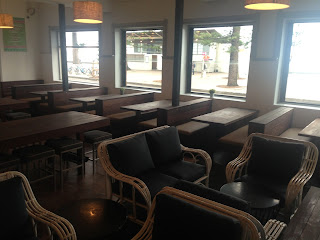
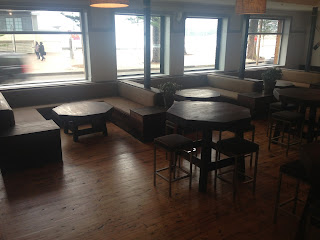
    Just wanted to send you a quick email to say thank you the benches look awesome!!
    So great.
    Thanks again.
    Cheers
    Julie
    Dinki Di
    ———————————————————————————
    An excellent fairly priced job. First rate help with fabric advice and choice. Everything worked as promised, quoting, pickup, job duration and redelivery. Difficult pick up and delivery effected without a hitch. Marcel is a thouroughly decent man offering a service “as good as it gets!” 
    Tim
    We collected our antique chair from our ancestral house and are delighted with the wonderful job you have done on restoration and recovery. The results speak for themselves because the chair looks wonderful in our living room and we could not be happier with the fabric we chose with your assistance.Thank you, Cover It Upholstery.
    Carlos Julian
    ———————————————————————————
    Hi Marcel,
    just a quick note to thank you for your excellent work on the chairs, very pleased and very impressed.

    Best regards

    Christian Gostelow

    ———————————————————————————
    Hi Marcel,
    Jeff and I both want to pass on our thanks for the excellent work you have done on our chairs. They look fantastic, and they are many times more comfortable than when we first inherited them! My extended family is thrilled that we have been able to restore my grandmother’s chairs to their former glory (probably even better than their former glory!) and that they will stay in the family for many more years to come. 
    I definitely won’t hesitate to recommend you to anyone who I hear is looking for an upholsterer! 
    Thanks again 
    Kirstin
    ———————————————————————————
    Marcel, a quick note to thank you for the wonderful work you did with recovering our 2 Danish deluxe chairs. They look fantastic in our lounge room and thanks to your advice re fabric choice, have become a real talking point…we no longer sit on our lounge! I am so delighted with your workmanship and service, that I would like you to recover my dining chairs as well. Thanks again for a great job.
    Genevieve Palmer
    ———————————————————————————
    Dear Marcel,
    We collected our antique chair from our daughter in law Susan and are delighted with the wonderful job you have done on restoration and recovering.
    Prior to meeting you at Northbridge we both had doubts as to whether it would be possible or worthwhile going through the exercise.
    The results speak for themselves, the chair looks wonderful in our bedroom and we could not be happier with the fabric we chose with your assistance.
    Many thanks.
    Yours sincerely,
    Jill & John Livingstone
    ———————————————————————————
    Hi Marcel,

    Just wanted to say thank you for your work on the chair, you’ve done a beautiful job. 

    We’re really pleased with it. 

    Kind Regards,

    Emma.

    ———————————————————————————
    Dear Marcel, 
    Thanks so much for a truly fantastic job and for all your help and advice on it!   
    All the best, 
    Briony and Nick
    ———————————————————————————
    Hi Marcel,
    Thanks for everything, you have been absolutely spot on, professional, wonderful!
    Will contact you for any upholstery jobs in the future, hopefully they wont be as hairy as this one!
    Thanks,
    Laura
    ———————————————————————————
    Hi Marcel,

    I just wanted to say thank you for a fantastic job on the dining chairs. We are very happy with the job and appreciate your attention to detail.

    regards,

    Vlad and Adam
    ———————————————————————————
    Dear Marcel
    How absolutely refreshing to deal with an artisan who does what he says he will do, right on time with updates along the way and carries out a truly amazing professional job.
    My lounges and chairs look utterly fabulous and I could not be happier with your work.  Your attention to detail is truly outstanding.
    And all this with the greatest courtesy and a smile on your face.
    Simply the best!!!
    With grateful thanks
    Kerri
    ———————————————————————————
    I joined TrueLocal just so I could share this review with you. Marcel is a delight to deal with – a real person but a consummate businessman too. After one tricky job I then backed up with another challenge for him almost immediately. The willingness to fit around our busy schedules with emails, texts, pics online etc plus a few home visits made the entire process a pleasure – it felt like he was only working on our projects! Highly recommended and once I find another piece of furniture to recover I will be back in contact with Cover It Upholstery
    Nancy Incoll
    ———————————————————————————
    Hi Marcel,
    I wanted to thankyou for the outstanding job you did reupholstering and polishing our Javi lounge and dining chairs.  I couldn’t be any happier with the result.  You are obviously passionate about what you do, and your attention to detail makes all the difference!  I will certainly recommend you to friends.  (I had a few friends call in today, and every one of them commented on the lounge!)

    Kylie, Roseville

    ———————————————————————————
    Dear Marcel

    Thank you the professional job you did with recovering our lounge suite and providing cushions for our dining suite chairs.

    We are very pleased with the result and would recommend you to others.  We also appreciated your timeliness.

    Regards

    Janet Chelliah

    ———————————————————————————
    Fantastic job on recovering our chairs. I was really impressed with the attention to detail and the customer service. Extremely easy to deal with and very quick service. I would recommend Marcel at Cover It for all your upholstery needs.
    Moyra, Surface Art
    ———————————————————————————
    I had been carting around this old club chair in its hideous loud brown-and-white velour upholstery for twenty years. I thought I was the only one you could see its promise, but Marcel must have seen it, too, because he’s totally rejuvenated the chair and it has finally realised its potential – it is now a gorgeous-looking, sturdy, beautifully comfortable chair and the new velvet covering feels lovely to sit on. Marcel was very helpful when I was choosing the fabric, and prompt in fitting in with my pickup and delivery times, replying to my email queries etc, and the job was completed with a fast turnaround and an excellent end result. I would totally recommend Cover It!
    Yvonne Smythe
    ———————————————————————————
    Hi Marcel,
    Just want to say thank you for the beautiful job you did on our couches.  I absolutely love them and they look perfect in our new home – plus your service was so great.
    I will certainly recommend you to any friends who may be needing their couches covered!
    Best wishes
    Jean
    ———————————————————————————
    Hi Marcel
    Just tried to call you to tell you what an amazing job you have done with recovering the lounges – the fit is perfect and looks fabulous – thank you so much.  It has been so easy dealing with you, nothing was a problem and you accommodated everything we needed – even the packing of the finished product was perfect.  Will send you a photo. Will certainly be recommending your work to everyone needing an accomplished upholsterer.
    Many thanks from 2 extremely satisfied customers – thanks also to your machinist.
    Best wishes
    Carmel
    ———————————————————————————
    Hi Marcel
    Many thanks for the great work you have done with my furniture, I really appreciate it and will highly recommend you to my friends.
    Suzane
    ———————————————————————————
    Having unpleasant memories of our recent dealings with the trade professions( unreliability, unskilfull work and over pricing practices)I was anxious if I will be able to find a skilfull upholsterer for my antique leather furniture.
    Marcel Albert from Cover It Upholstery has returned my trust in trade craftsmanship – courteous, professional, efficient , with great skills and attention for detail, he did an excellent job in realistic price range. 
    I highly recommend Cover It Upholstery, hoping that in this country, we will have more such skilful and professional tradesman, which take pride in their chosen profession.
    Lola Markovic
    ———————————————————————————
    cover it is a very professional organisation with highly skilled upholsterers. The advice I was given was great, things were collected and returned on time, the prices were very competitive. I have been thrilled with all three jobs I have contracted them to do. They turned my old fashioned tacky chairs into up to date fashion statements which enhance the decor in my home.
    Lesley Graig
    ———————————————————————————
    We were delighted with the work done by Cover-it, in particular the attention taken in matching the pattern on a very difficult item. We were also dlighted with the efficiency and the pricing
    Brett Courtnay
    ———————————————————————————
    I recommend Cover It Upholstery. I was happy with the advice I was given on the daybed i needed to cover. Marcel included features in the upholstering that I hadn’t considered – extra padding and protection where needed and valuable advise on cleaning.
    The quote was done in person, and Marcel took into consideration, not only the piece, but how it will be used. Marcel is good to work with, and has a great customer focus, and personal approach
    Georgina Andrews
    ———————————————————————————
    Dear Marcel,
    I am delighted with the lounge suite you re-upholstered for me“It’s better than new”. It’s a 2 seater lounge, chair, footstool all Queen Anne style – all perfect, As is the antique bedroom chair you also re-upholstered.
    My Daughter, Dr S.A. Wallace was also very pleased with the work you did for her and recommended your work to me, as I would also. 
    Best Wishes,
    Sincerely,
    Billie Wallace
    ———————————————————————————
    Dear Mr Marcel Albert: 

    Thank you for doing such a wonderful job on the bucket chair… 

    You repaired and recovered it so very well – – now comfortable to sit in. My dear husband Jay is pleased too, thank you. We are grateful to you for your fine work, on both chairs.

    Sincerely, 

    Mrs Christine Greco

    ———————————————————————————
    Marcel, 

    Thank you for such a great job on our couch & for your extra service. Please accept our gift voucher for a complementary massage.

    Thanks,

    Deborah (Shire Chiropractic)

    ———————————————————————————
    Marcel has just delivered to me my recovered Tub chair. It is beautiful. From the moment I contacted him by email, I have had nothing less than excellent service. He replied to my emails almost instantly, his price was very competitive & the quality of workmanship is excellent. He arrived at my house, both to pick up & deliver on time & it was a pleasure to deal with him.
    Thank you Marcel.
    ANN LOGAN
    ———————————————————————————
    What a wonderful experience! I have a beautiful leather lounge but I noticed tear in one of the seat cushions some months ago. Repair was not an option as the tear was in a prominent position. I contacted a number of upholsterers in the area to see what could be done. The biggest problem I could see was how to match the colour. I found Cover-it and sent off an enquiry. I received an immediate response and the service from Marcel has been fabulous throughout the whole exercise. Nothing was too much trouble. Marcel replaced the covers on the three cushions and I couldn’t be more pleased with the result! The leather is superb and the craftsmanship is first class. I’m already starting to think about the next jobs I can send his way!
    Thanks to you and your team, Marcel for a magnificent job!
    Bernie
    ———————————————————————————
    Everything went smoothly. Marcel was a pleasure to deal with. Excellent attention to detail, prompt pickup and delivery. Superb restoration work, very good quality. When the revised quote turned out to be quite a bit cheaper than the original, Marcel revised the bill downwards. I have nothing put compliments. Highly recommended.
    Stevie Bee
    ———————————————————————————
    Thank you Marcel and your team for the wonderful job you did on our late Mum’s rocking chair and footstool. As we explained Mum got them as a wedding present from her own upholsterer father in 1939 and treasured it till she passed away last December. We are thrilled with the work and the price, as well as the prompt and efficient service. I would recommend Cover It to anyone who values furniture and needs a master craftsman.
    Carmel Woods
    ———————————————————————————
    I will keep it brief – Marcel is a helpful young guy that does fantastic work. He did a 15 y.o Queen Size sofabed for me and the craftsmanship is fantastic. Without charging extra he reinforced the entire frame and straightened out bends in the bed mechanism so it is now better than when it was brand new. To buy a sofabed of this quality and fabric would at least be 50% more than what I paid for Marcel to do.
    Basically, nothing is a real hassle, the only issue you will have is that he is so busy because he is so good. Unless you want something done within an unreasonable timeframe you are going to be very satisfied.
    He can do anything, fix wood, frames, restore breakages, as well as any fabric from canvas, cotton, delicates and leather. He has done an awesome job with the cushions for me, and basically the cushions are far superior to what they were when the bed was brand new. I would have no hesitation in recommending Marcel to anyone, and I will be sending all my future upholstery work to this guy.
    Stephen Alleyn
  • IT’S CHEAPER TO BUY NEW THEN TO RE-UPHOLSTER

    IT’S CHEAPER TO BUY NEW THEN TO RE-UPHOLSTER

    IT’S CHEAPER TO BUY NEW THEN TO
    RE-UPHOLSTER

    There
    I said it! Maybe we upholsterers should all go and do something else…

    Although
    maybe the title should have said it’s cheaper to buy poor quality furniture than to recover.

    Below
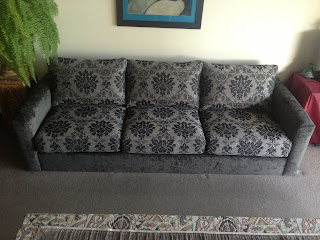
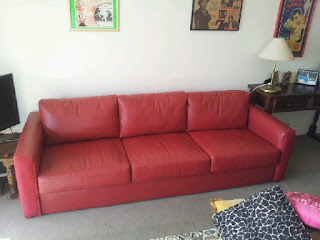
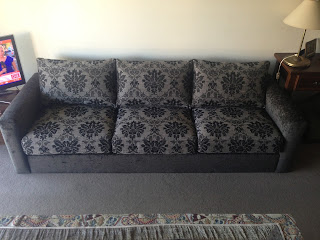
    are a couple of before and after photos taken of a recent job we did for a customer
    who bought a new sofa from a well-known furniture retailer because she liked
    the sofa but not the fabric and since it cost less than $1000 to buy she had it
    recovered in a fabric of her choice.

    The
    photo of the poorly upholstered beige/brown sofa is the before shot!


     We
    sometimes recover furniture we are told by customers cost more than what they
    paid for it new and the reason they have it covered anyway is because they like
    the style or size or comfort which they haven’t been able to find again.

    Some
    of this furniture is still ok and just needs some minor repairs and/or new
    cushion foam, but sometimes you get furniture that needs a lot of repair work
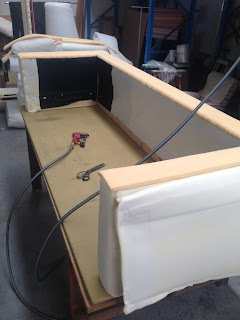
    and shows why it was very cheap in the first place as the manufacturer in China
    used the poorest quality materials available to make the furniture, from poor
    quality pine to poor quality webbing and foam (see below).

    Generally
    besides the quality of the webbing they have also not used the correct number
    of strips (see below).

    When
    we come across this we repair all the rails and joins in the frame, re-web the
    seat, and replace any foam that needs replacing using premium Dunlop Enduro
    foam.

    The
    furniture is now far better than it were when bought new and will last for
    years and would be able to be recovered again in the future without any
    problems, as is the case with all quality furniture.

    If
    a quality fabric is chosen it will last for years!

    Cheap
    fabrics used by a lot of manufacturers won’t last very long at all and will
    pill or wear through very quickly and unfortunately combined with a poor
    quality frame and padding means that every year thousands of tons of this
    rubbish ends up in land-fill


    Retailers
    also use a lot of misleading language in their description of furniture; an
    example of this is a very common one where P leather or PU leather is used to
    describe vinyl, making it sound like a higher quality product than it is.

    There
    are very high quality commercial grade vinyl’s available that feel and look
    very “leather-like” but due to the cost of these you won’t find these used to
    cover any furniture you’ll find in your average furniture store.

    This
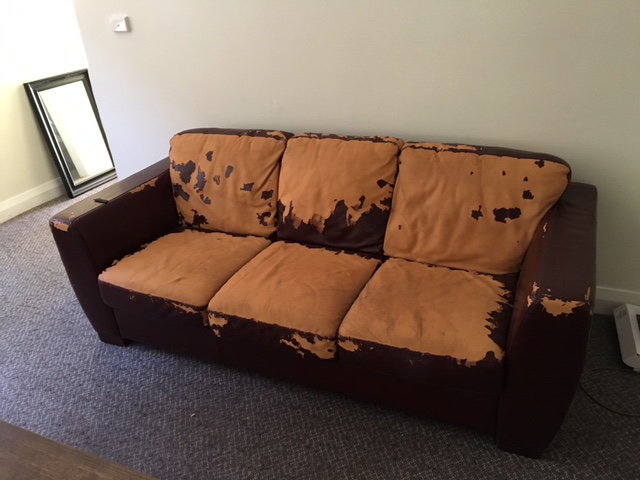
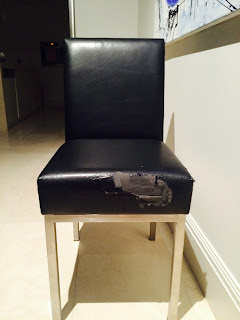
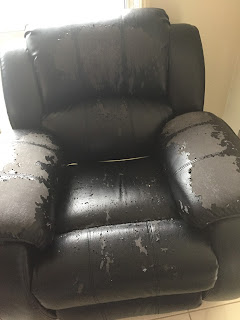
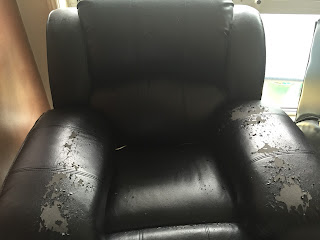
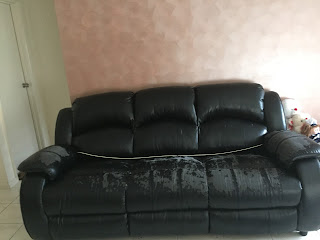
    is also the case when terms like “Bonded Leather” or “By-Cast Leather” are used
    to describe a very poor quality product that will peel (de-laminate) after
    around 2 to 3 years of use (see below). This should never be sold as leather as it has
    absolutely nothing to do with genuine leather. Genuine leather will NEVER peel!
    Quality vinyl will NEVER peel!


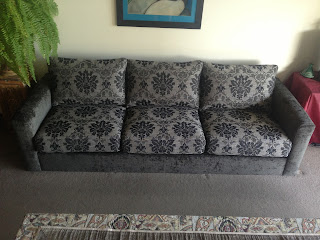
    Below are a few before and after photos to help us all feel better after what we’ve just seen.


    This fabric was supplied to us by the customer and unfortunately there was not enough to also match the bottom of the front border with the top half, there was no more of it available.
    Considering the state this furniture was in prior to the re-upholstery work it wasn’t a disappointment for her.


                                                                     Custom made stool